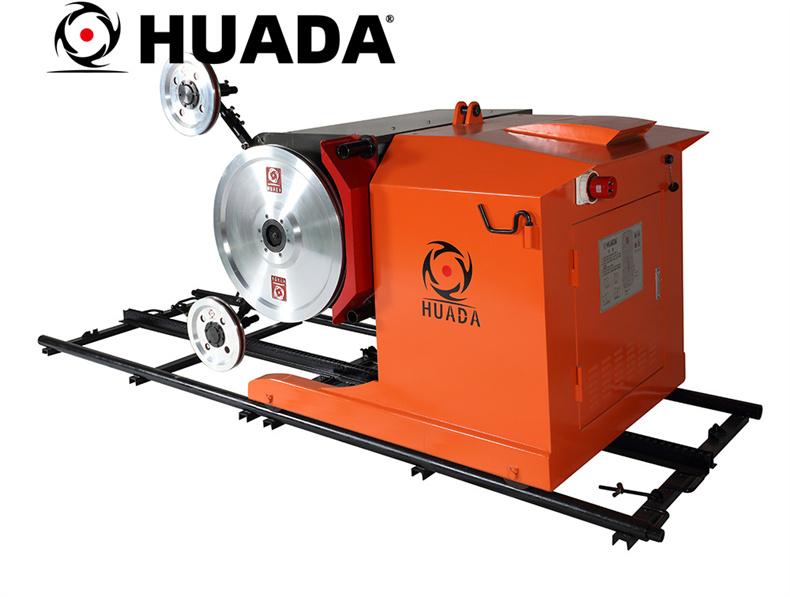
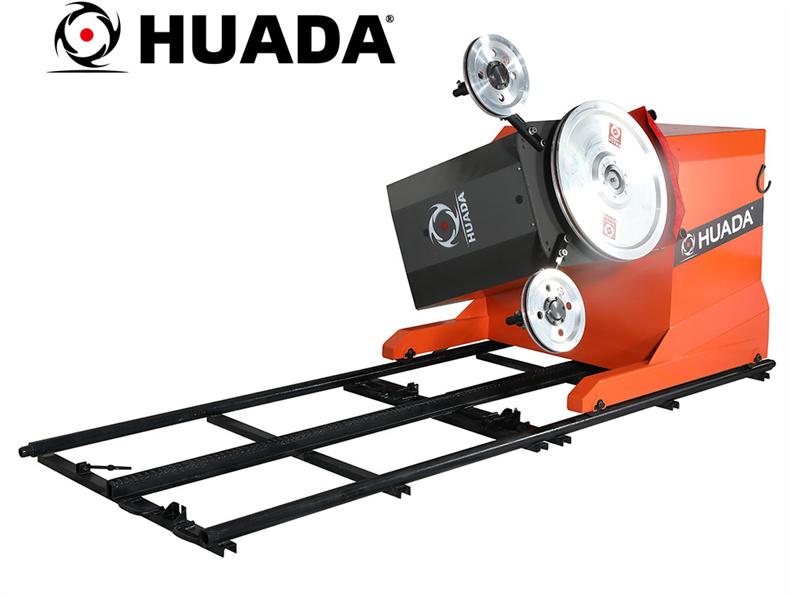
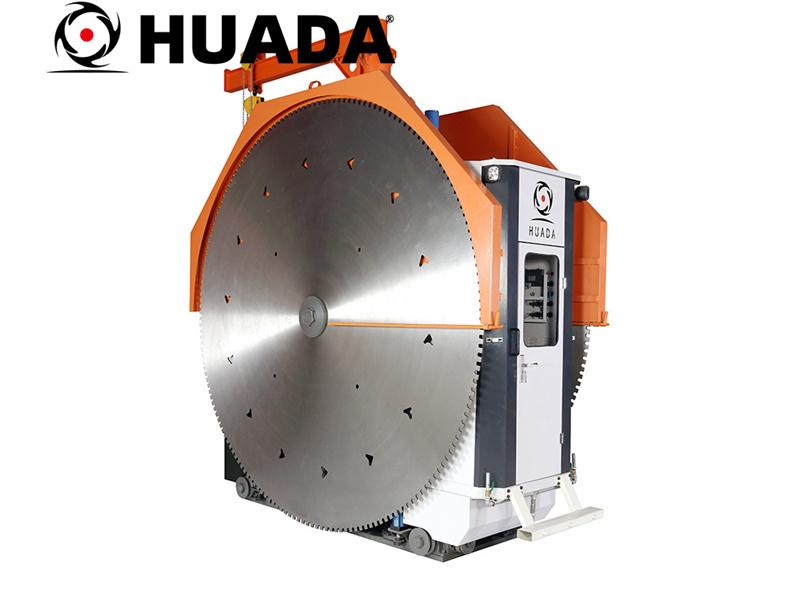
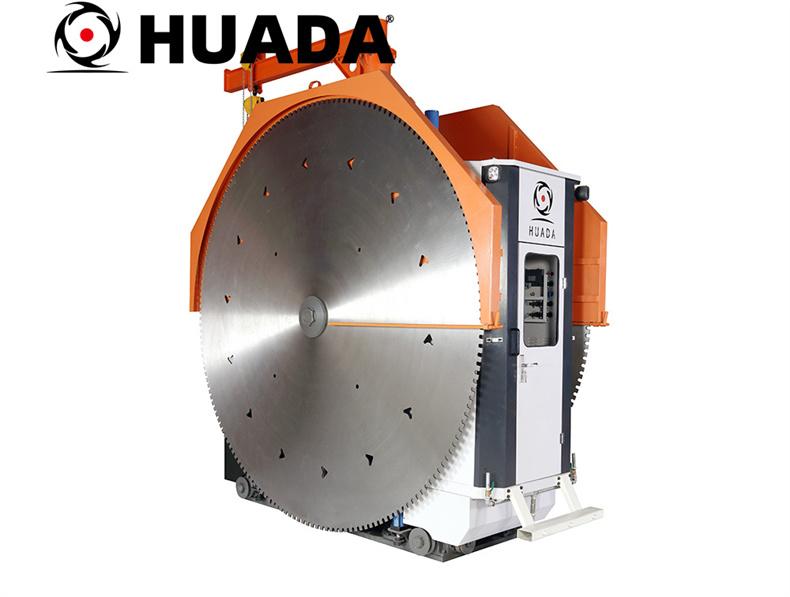
Use “Limestone mining” as a decision brief for a stone quarrying equipment: define geology, bench geometry, block plan, recovery target, available utilities, access and downstream handling, verify cut and hole layout, equipment sequence, water and air supply, bench condition and block movement and retain a quarry survey, block plan, equipment flow, trial result and operating-risk review before approval.
Technical context for Limestone mining
Limestone mining refers to the extraction of limestone from the earth's crust for various purposes. Limestone is a sedimentary rock composed primarily of calcium carbonate, and it is widely used in construction, agriculture, and industry. In this article, we will explore the process of limestone mining, its environmental impact, and its significance in various sectors.
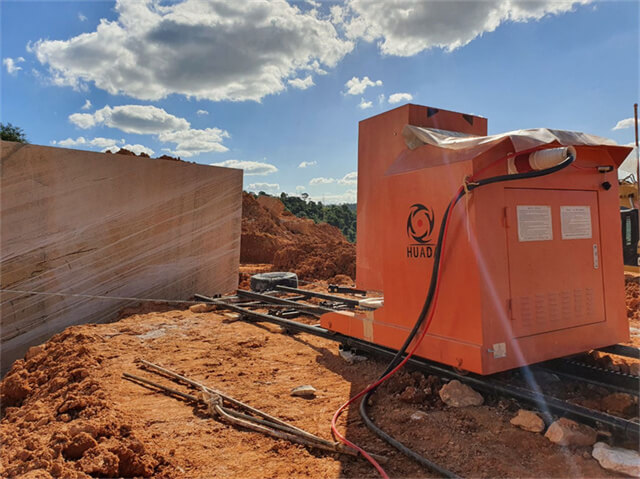
1. The Process of Limestone Mining
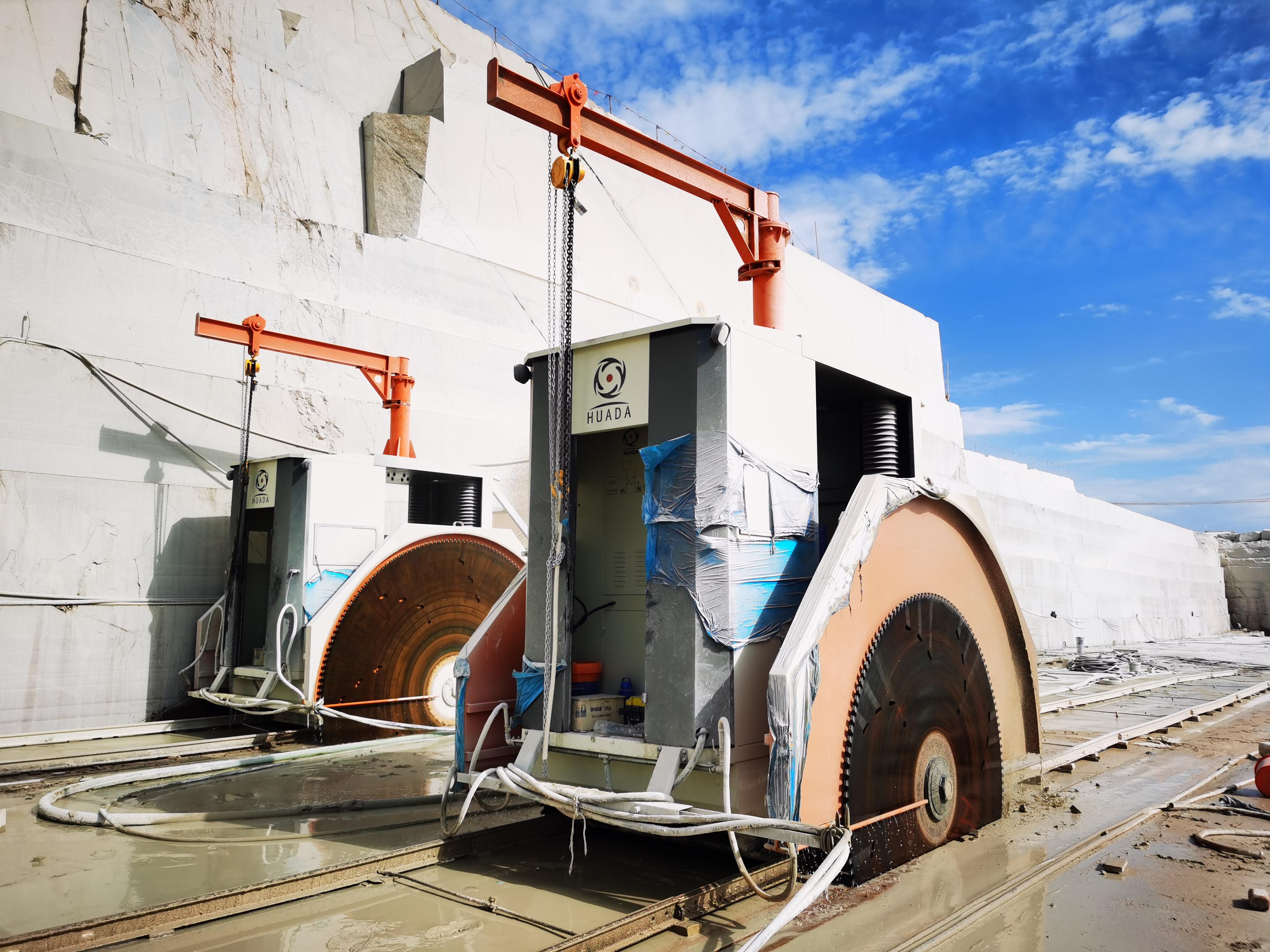
Limestone mining involves several steps that begin with the exploration of potential limestone deposits. Geologists study the geographical features of an area to identify potential sites. Once a suitable location is found, drilling and blasting techniques are used to extract the limestone from the earth. The extracted limestone is then crushed and processed into different sizes for further use.
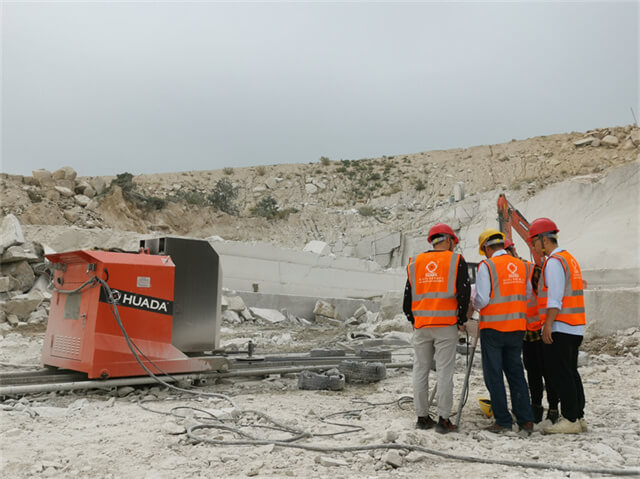
2. Environmental Impact of Limestone Mining
Limestone mining can have significant environmental impacts, particularly on land, water, and air. The extraction process can result in the destruction of natural habitats and the loss of biodiversity. It can also lead to soil erosion and changes in the landscape. Additionally, mining activities may contaminate water sources with sedimentation and chemical pollutants. Proper environmental management practices, such as reclamation and rehabilitation of mined areas and water treatment measures, are essential to mitigate these impacts.
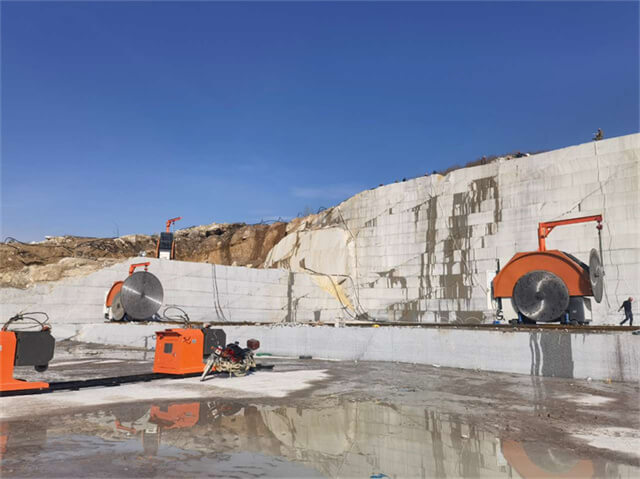
3. Significance of Limestone Mining
Limestone mining plays a crucial role in various sectors. In the construction industry, it is used as a key component in the production of cement, concrete, and asphalt. Limestone aggregates are commonly used in road construction, building foundations, and landscaping. In agriculture, limestone is used to neutralize acidic soils and enhance crop productivity. It provides essential nutrients, such as calcium, to plants. Additionally, limestone is used in various industrial processes, including the production of steel, glass, and paper.
In conclusion, limestone mining is a vital process that supports various industries and contributes to economic development. However, it is crucial to manage its environmental impact effectively. Sustainable mining practices, such as reclamation and responsible water management, should be adopted to minimize the ecological consequences. By balancing the economic benefits with environmental considerations, limestone mining can continue to play a significant role in meeting the global demand for construction materials and agricultural needs.

Define the application before comparing equipment
For “Limestone mining,” write down geology, bench geometry, block plan, recovery target, available utilities, access and downstream handling. This separates a real project requirement from a search phrase and gives every supplier the same boundary. The proposed stone quarrying equipment can then be checked against the material, site and required result instead of being accepted by name alone.
Use evidence that can be retained
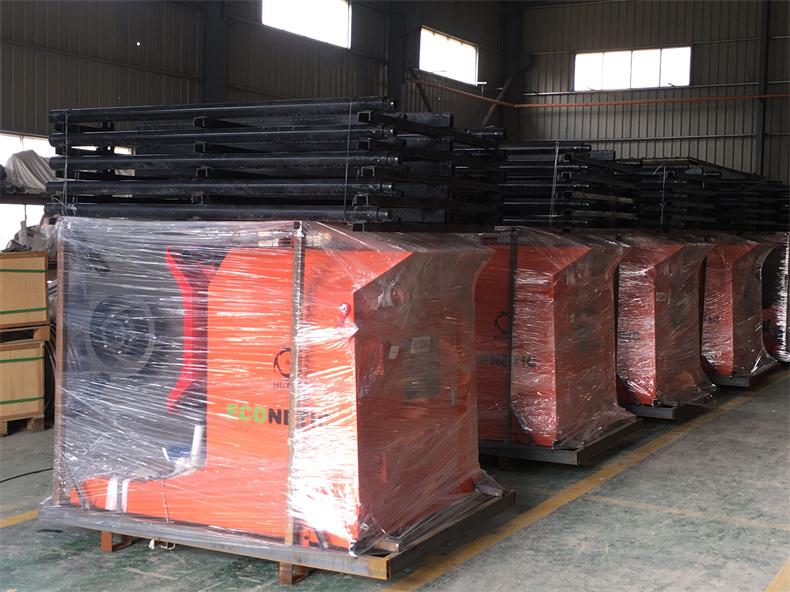
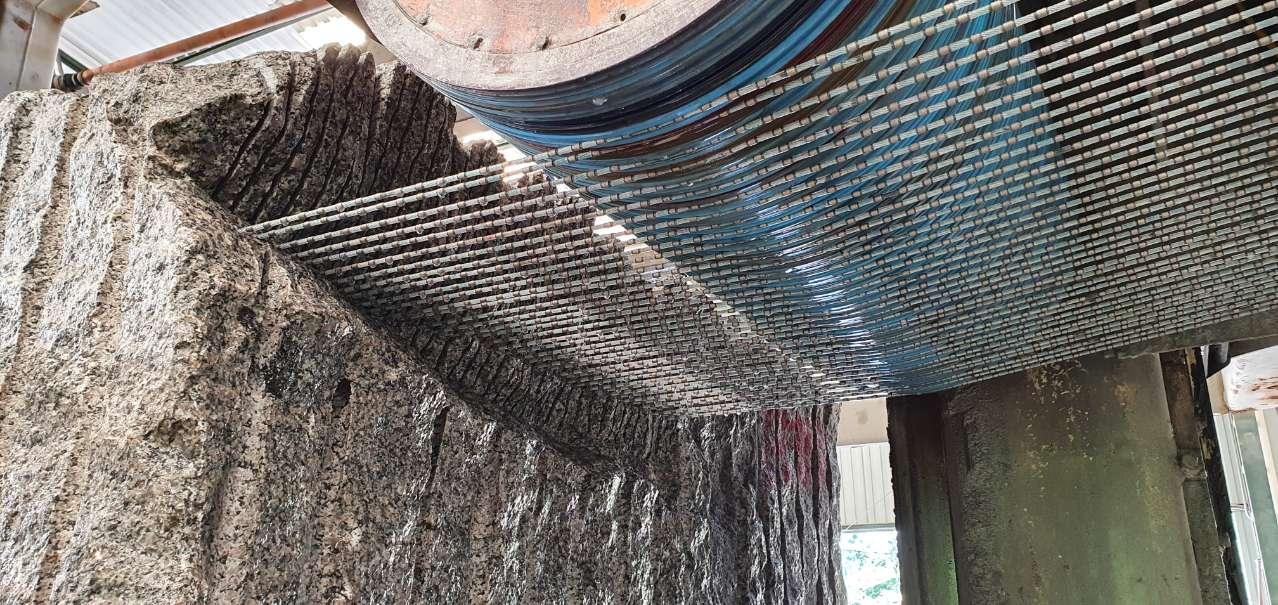
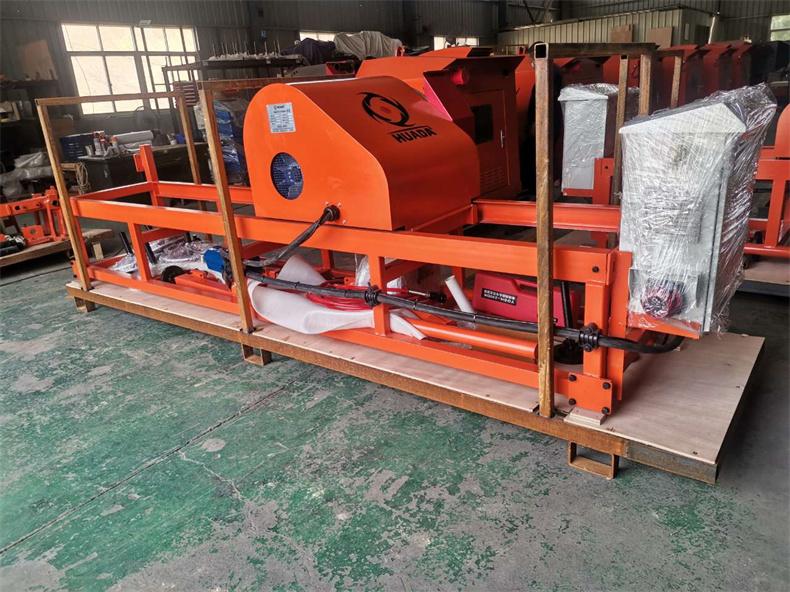
A practical review of “Limestone mining” should retain a quarry survey, block plan, equipment flow, trial result and operating-risk review. Photographs and brochures help identify the offered configuration, but they do not replace a test condition, measured result or signed scope. Record settings for cut and hole layout, equipment sequence, water and air supply, bench condition and block movement so the accepted result can be repeated.
Control the main operating risk
The recurring risk in “Limestone mining” is selecting individual machines before the quarry sequence, utilities and block-handling route are defined. Set a stop condition, assign who checks the machine and tool, and keep changes traceable. If the result moves outside the agreed window, investigate the material, alignment, tooling and utilities before adding load or speed.
Decision and acceptance table
| Decision point | What to define | Evidence to keep |
|---|---|---|
| Application | geology, bench geometry, block plan, recovery target, available utilities, access and downstream handling | Written job or product brief |
| Operating window | cut and hole layout, equipment sequence, water and air supply, bench condition and block movement | Recorded trial settings and observations |
| Acceptance | a quarry survey, block plan, equipment flow, trial result and operating-risk review | Signed sample, cut record or inspection note |
| Risk control | selecting individual machines before the quarry sequence, utilities and block-handling route are defined | Named corrective action and stop condition |
Buyer and operator checklist
- Material and cut or hole dimensions for Limestone mining
- Offered stone quarrying equipment configuration and included tooling
- Power, water, compressed air, access and lifting requirements
- Settings and checks covering cut and hole layout, equipment sequence, water and air supply, bench condition and block movement
- Factory or site acceptance method and responsible people
- Training, critical spares, manuals and service response boundary
Frequently asked questions
What should be confirmed first for Limestone mining?
For Limestone mining, start with geology, bench geometry, block plan, recovery target, available utilities, access and downstream handling. Those inputs determine whether the proposed stone quarrying equipment and tool are relevant.
How should performance for Limestone mining be verified?
For Limestone mining, use a quarry survey, block plan, equipment flow, trial result and operating-risk review. Keep the material, operating conditions and acceptance criteria with the result.
Which settings matter during Limestone mining?
For Limestone mining, record cut and hole layout, equipment sequence, water and air supply, bench condition and block movement. A result without its settings is difficult to reproduce or compare.
When should work on Limestone mining be paused?
For Limestone mining, pause when the workpiece, support, guarding, utilities or cutting condition is unsafe, or when selecting individual machines before the quarry sequence, utilities and block-handling route are defined is observed.