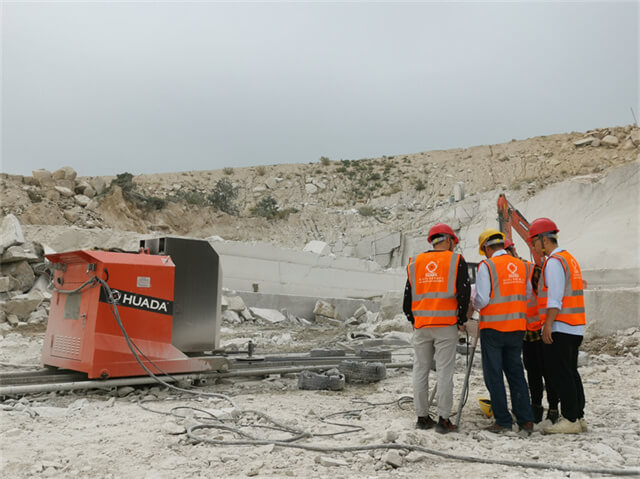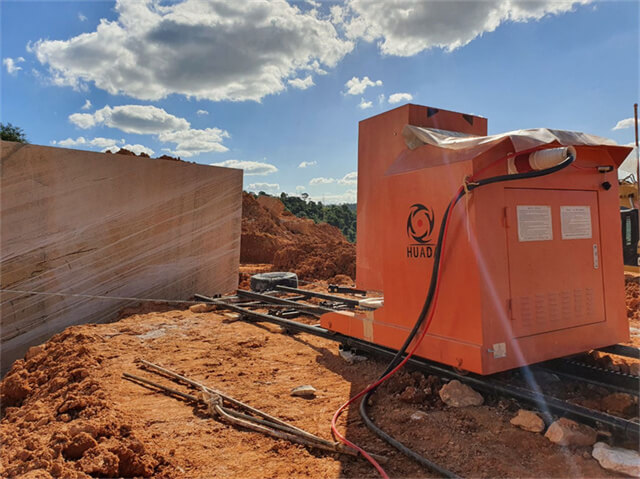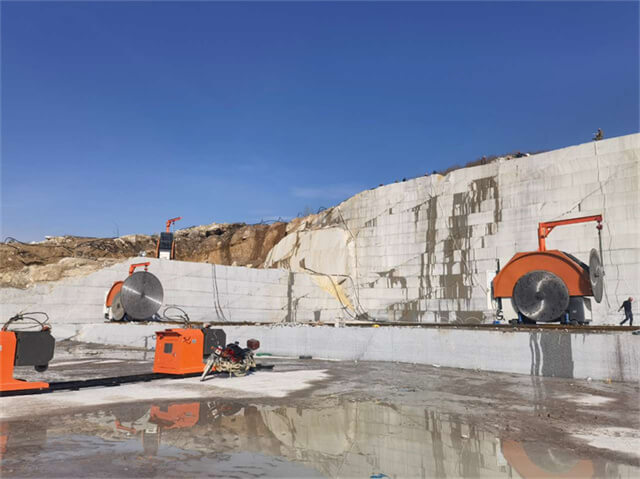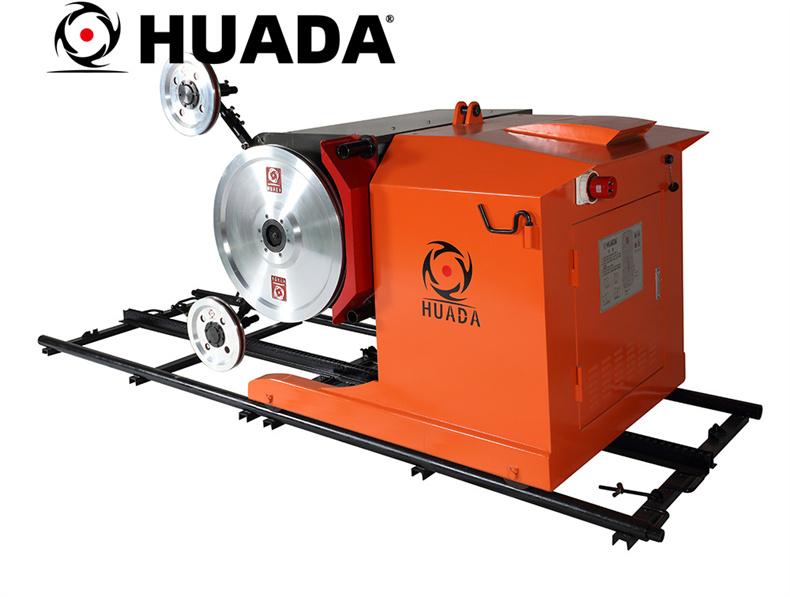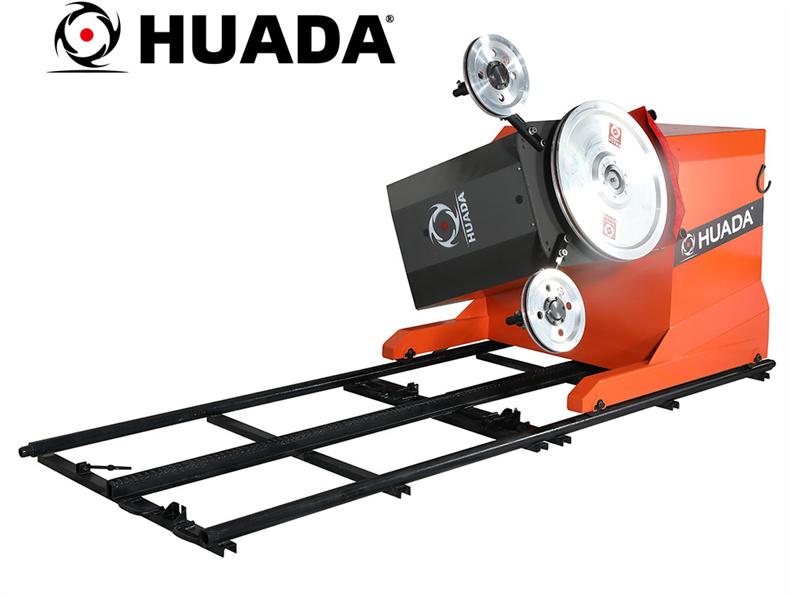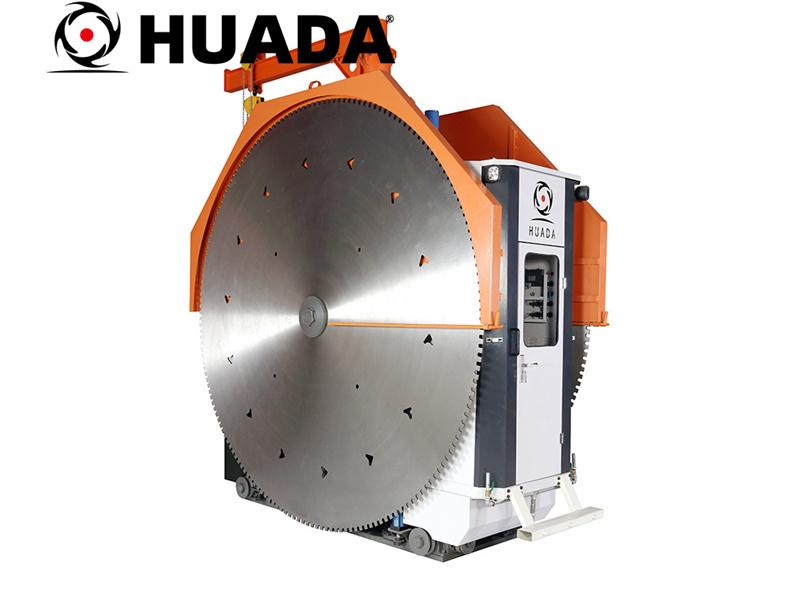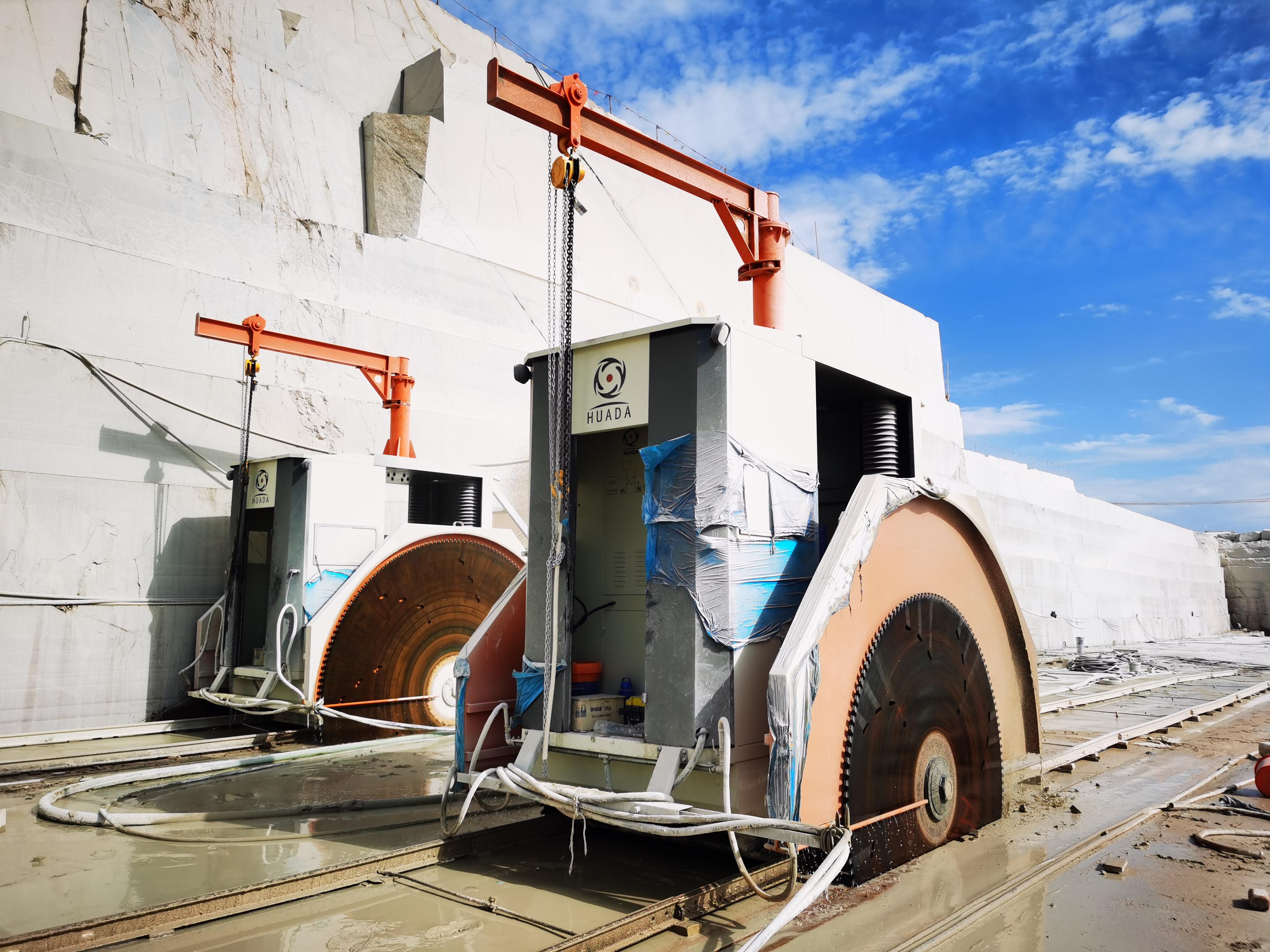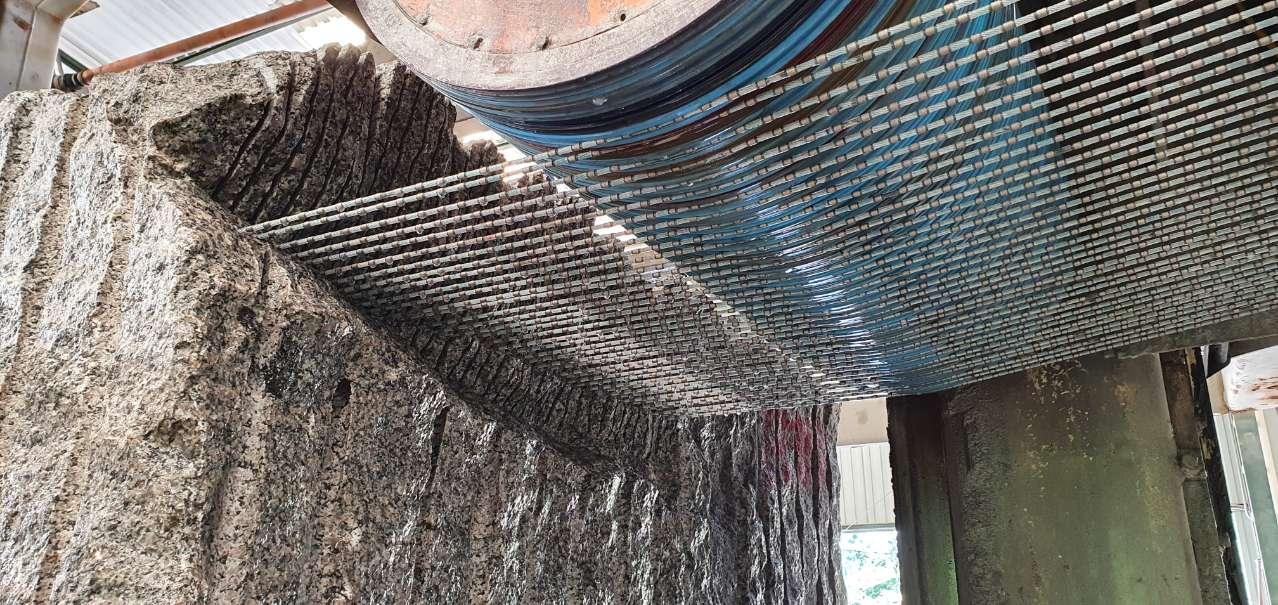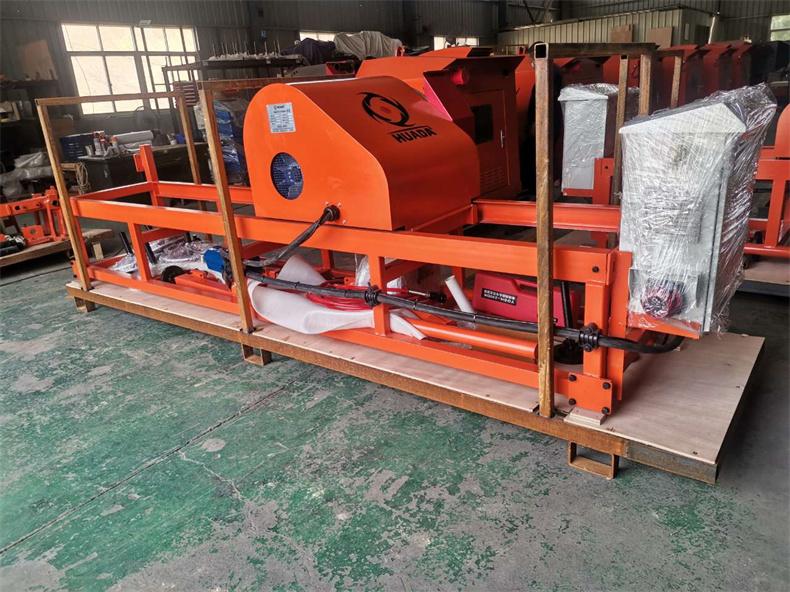
Use “Hard stone mining” as a decision brief for a stone quarrying equipment: define geology, bench geometry, block plan, recovery target, available utilities, access and downstream handling, verify cut and hole layout, equipment sequence, water and air supply, bench condition and block movement and retain a quarry survey, block plan, equipment flow, trial result and operating-risk review before approval.
Technical context for Hard stone mining
Hard stone mining refers to the extraction of valuable minerals and rocks from the earth's crust that are characterized by their hardness. This type of mining involves the use of heavy machinery, specialized tools, and advanced techniques to extract and process the hard stones. The mining industry plays a crucial role in various sectors, including construction, manufacturing, and infrastructure development. In this article, we will explore the process of hard stone mining and its significance in the global economy.
1. Exploration and Planning
The first step in hard stone mining is the exploration and planning phase. This involves identifying potential mining sites through geological surveys, satellite imagery, and field inspections. Geologists and mining engineers analyze the composition of the rocks and assess their economic viability.
Once a suitable location is chosen, detailed planning takes place. This includes determining the optimal extraction method, designing the mine layout, and estimating the potential reserves. Environmental impact assessments are also conducted to ensure sustainable mining practices and minimize harm to the surrounding ecosystem.
2. Extraction and Processing
After the planning phase, the actual extraction of hard stones begins. The most common methods used in hard stone mining are open-pit mining and underground mining.
In open-pit mining, large pits are excavated using heavy machinery to reach the desired hard stone deposits. The extracted rocks are then transported to processing plants, where they are crushed, sorted, and prepared for further use. Advanced technologies such as automated sorting systems and computer-controlled crushers are employed to improve efficiency and productivity.
Underground mining, on the other hand, involves the excavation of tunnels and shafts to access hard stone deposits deep underground. Specialized equipment, including drilling rigs, loaders, and haul trucks, are used to extract the rocks. Safety measures, such as ventilation systems and rock support structures, are implemented to ensure the well-being of miners and prevent accidents.
3. Environmental Considerations and Sustainability
As with any mining activity, hard stone mining has an environmental impact. However, efforts are made to minimize this impact and promote sustainable practices in the industry.
Reclamation is an essential part of the mining process, where the land is restored and rehabilitated once the mining operation is complete. This involves planting vegetation, reshaping landscapes, and implementing erosion control measures to restore the area's natural state.
Additionally, water management systems are employed to minimize water usage and ensure that it is treated properly before being discharged back into the environment. Measures are also taken to reduce air pollution, such as dust suppression techniques and the use of cleaner fuels in mining equipment.
In recent years, there has been a growing focus on incorporating renewable energy sources into mining operations. Solar and wind power solutions are being implemented to reduce reliance on fossil fuels and lower carbon emissions.
Conclusion
Hard stone mining plays a vital role in supplying the materials required for various industries. From infrastructure development to manufacturing, hard stones are essential for economic growth. However, it is crucial for the mining industry to prioritize sustainability and environmental stewardship. By adhering to responsible mining practices, minimizing environmental impacts, and embracing new technologies, the hard stone mining industry can contribute to a more sustainable future.
Control the main operating risk
The recurring risk in “Hard stone mining” is selecting individual machines before the quarry sequence, utilities and block-handling route are defined. Set a stop condition, assign who checks the machine and tool, and keep changes traceable. If the result moves outside the agreed window, investigate the material, alignment, tooling and utilities before adding load or speed.
Define the application before comparing equipment
For “Hard stone mining,” write down geology, bench geometry, block plan, recovery target, available utilities, access and downstream handling. This separates a real project requirement from a search phrase and gives every supplier the same boundary. The proposed stone quarrying equipment can then be checked against the material, site and required result instead of being accepted by name alone.
Use evidence that can be retained
A practical review of “Hard stone mining” should retain a quarry survey, block plan, equipment flow, trial result and operating-risk review. Photographs and brochures help identify the offered configuration, but they do not replace a test condition, measured result or signed scope. Record settings for cut and hole layout, equipment sequence, water and air supply, bench condition and block movement so the accepted result can be repeated.
Decision and acceptance table
| Decision point | What to define | Evidence to keep |
|---|---|---|
| Application | geology, bench geometry, block plan, recovery target, available utilities, access and downstream handling | Written job or product brief |
| Operating window | cut and hole layout, equipment sequence, water and air supply, bench condition and block movement | Recorded trial settings and observations |
| Acceptance | a quarry survey, block plan, equipment flow, trial result and operating-risk review | Signed sample, cut record or inspection note |
| Risk control | selecting individual machines before the quarry sequence, utilities and block-handling route are defined | Named corrective action and stop condition |
Buyer and operator checklist
- Material and cut or hole dimensions for Hard stone mining
- Offered stone quarrying equipment configuration and included tooling
- Power, water, compressed air, access and lifting requirements
- Settings and checks covering cut and hole layout, equipment sequence, water and air supply, bench condition and block movement
- Factory or site acceptance method and responsible people
- Training, critical spares, manuals and service response boundary
Frequently asked questions
What should be confirmed first for Hard stone mining?
For Hard stone mining, start with geology, bench geometry, block plan, recovery target, available utilities, access and downstream handling. Those inputs determine whether the proposed stone quarrying equipment and tool are relevant.
How should performance for Hard stone mining be verified?
For Hard stone mining, use a quarry survey, block plan, equipment flow, trial result and operating-risk review. Keep the material, operating conditions and acceptance criteria with the result.
Which settings matter during Hard stone mining?
For Hard stone mining, record cut and hole layout, equipment sequence, water and air supply, bench condition and block movement. A result without its settings is difficult to reproduce or compare.
When should work on Hard stone mining be paused?
For Hard stone mining, pause when the workpiece, support, guarding, utilities or cutting condition is unsafe, or when selecting individual machines before the quarry sequence, utilities and block-handling route are defined is observed.