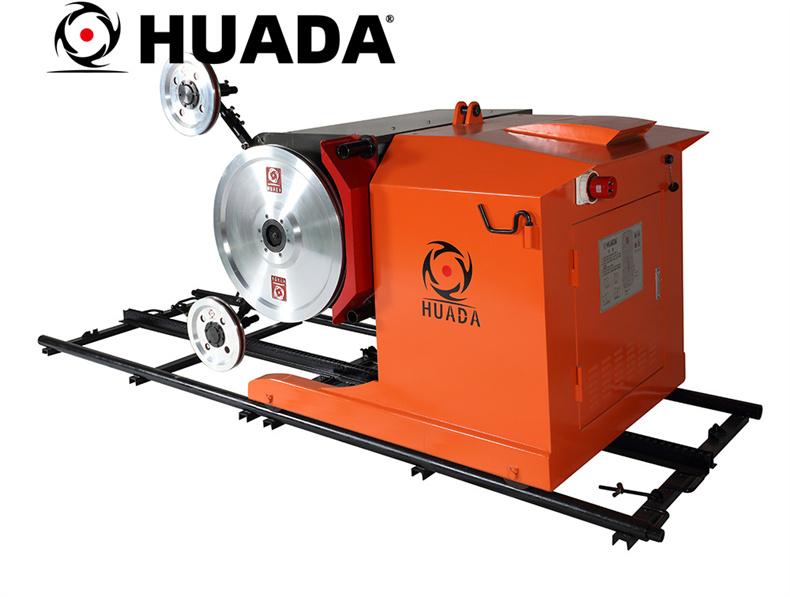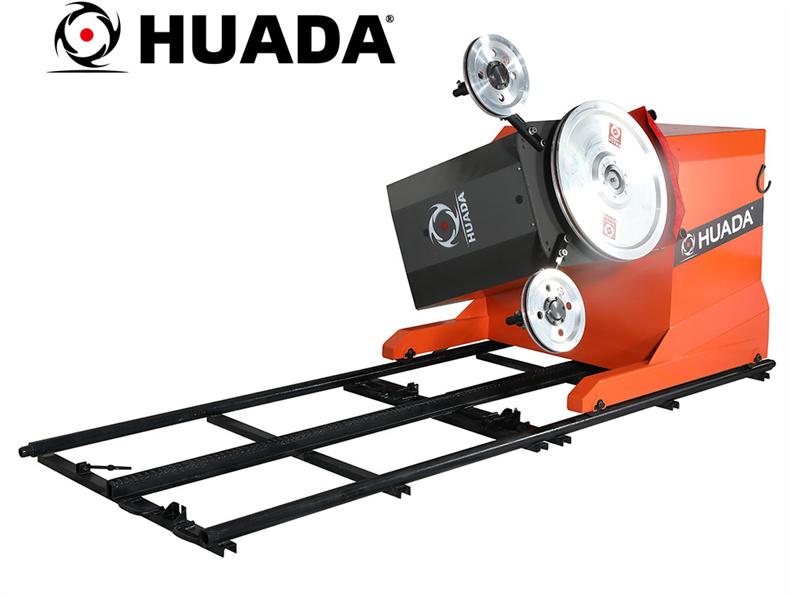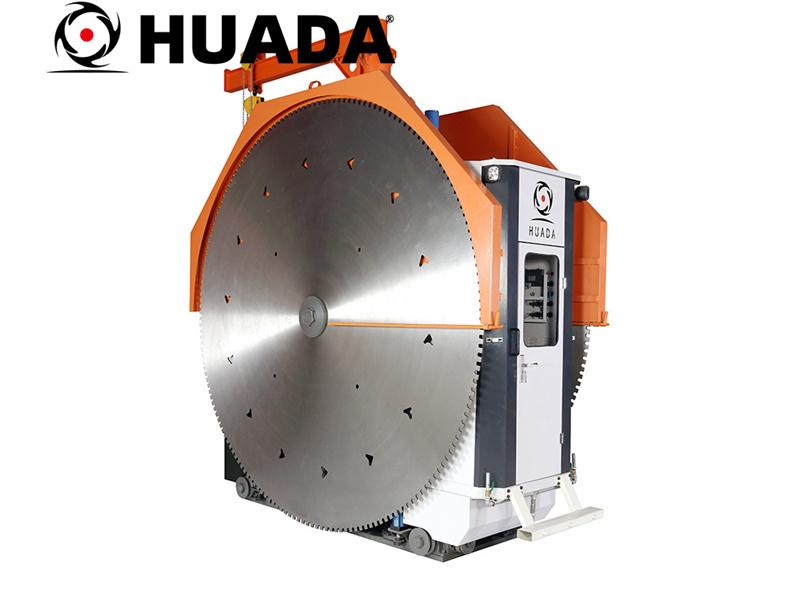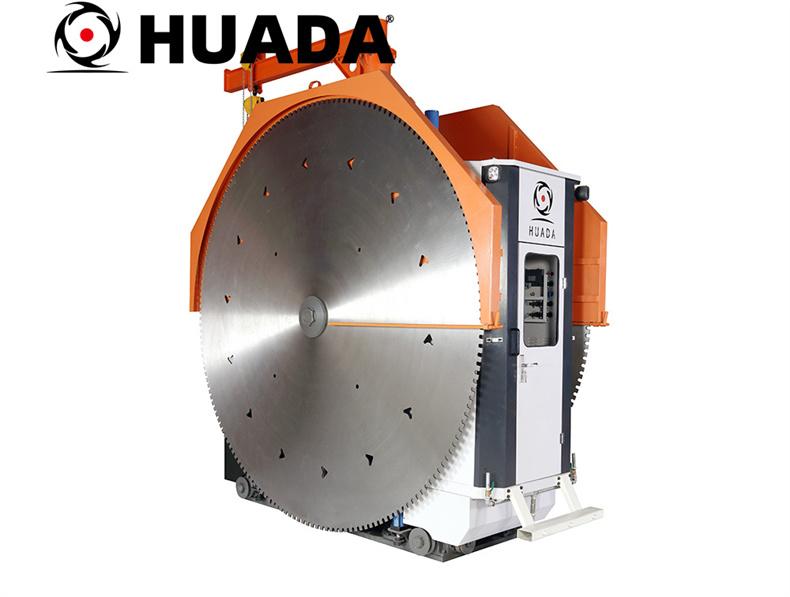

The archive defines a diamond saw blade through its circular metal matrix and diamond-bearing bonded segments. Its application list is broader than a single material, so construction and compatibility must be read as separate questions.
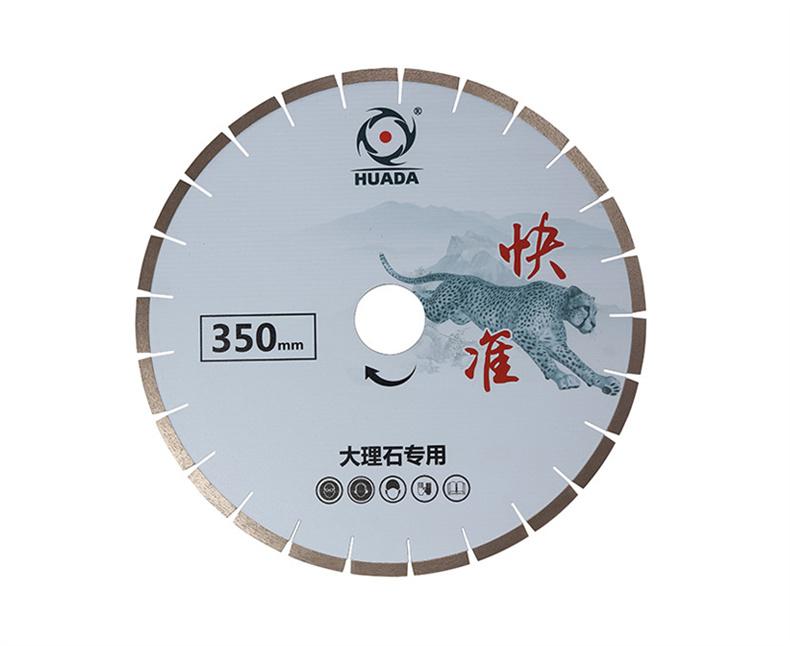
The circular matrix is the blade body named in the source
The historical definition begins with a circular cutting tool built around a metal matrix. Diamond-bearing bonded segments form the other named part of that definition.
This identifies the main construction elements described by the page. It does not establish a universal segment design, matrix specification or blade configuration for every application.
The archive describes one segment-to-matrix construction route
For the diamond and metal agglomerate, the source names powder metallurgy and high-temperature sintering. It then describes high-frequency welding as the way those segments are joined to the circular matrix.
Keep this as the route recorded in the archived article. The text does not support saying that all diamond saw blades are manufactured in exactly this way.
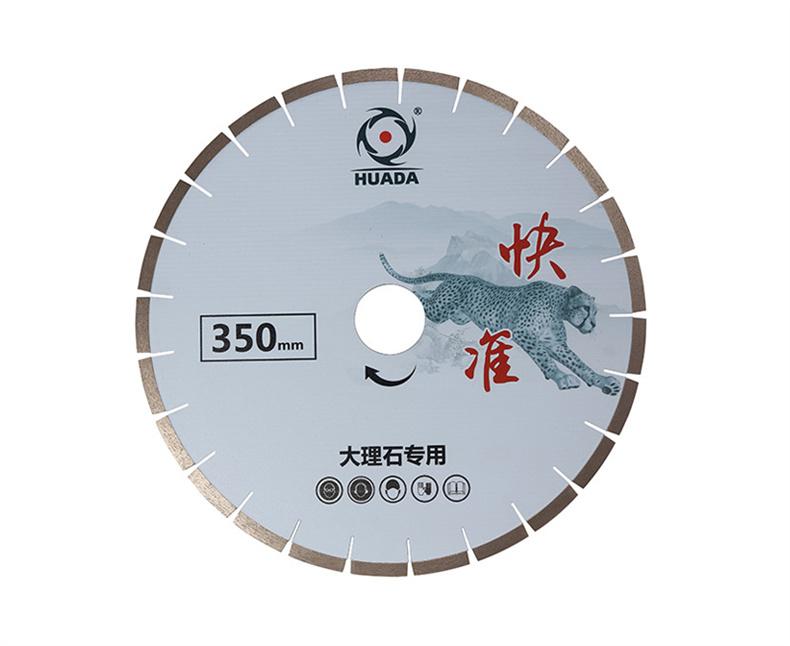
Read each use as its own compatibility boundary
A material name in the old application list is not enough to select a blade. The blade, material and carrying machine must belong to the same verified application before the category becomes a practical recommendation.
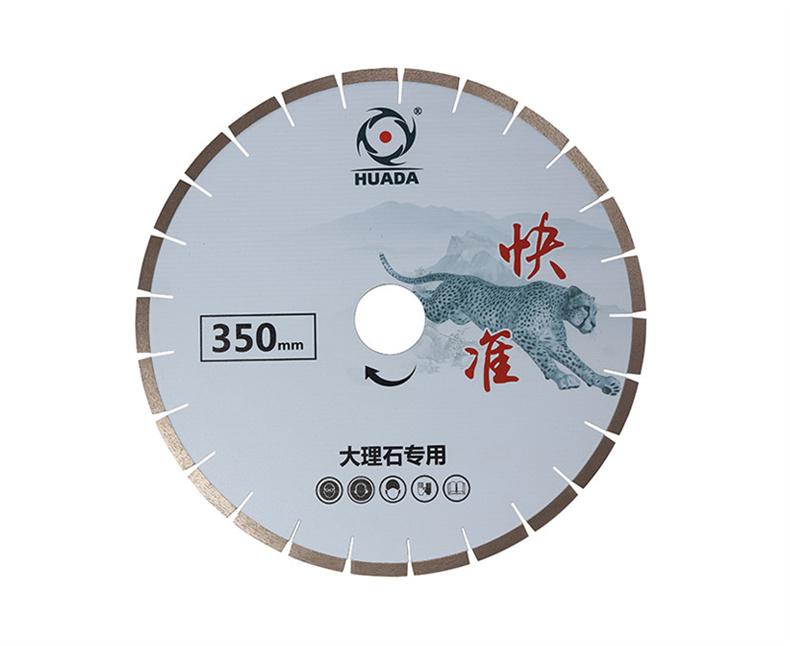
Hard-stone cutting
Hard stone is one use category named in the archive. The article gives no stone-specific blade identity or operating value, so the category remains a starting point for compatibility confirmation.
Asphalt with a road cutter
The source pairs asphalt with a road cutter. That pairing matters because it ties the material claim to an equipment context rather than presenting asphalt as a universal use for any diamond blade.
Ceramic tile with a tile cutter
Ceramic tile is paired with a tile cutter in the historical text. Any cutting-angle capability belongs to the machine arrangement and should not be claimed as a property of the blade alone.
Metal plate remains a product-specific claim
Metal plate also appears in the archived use list, but no blade model, material grade or application record accompanies it. Treat this as a claim requiring blade-specific evidence, not proof that one blade covers stone, asphalt, tile and metal.