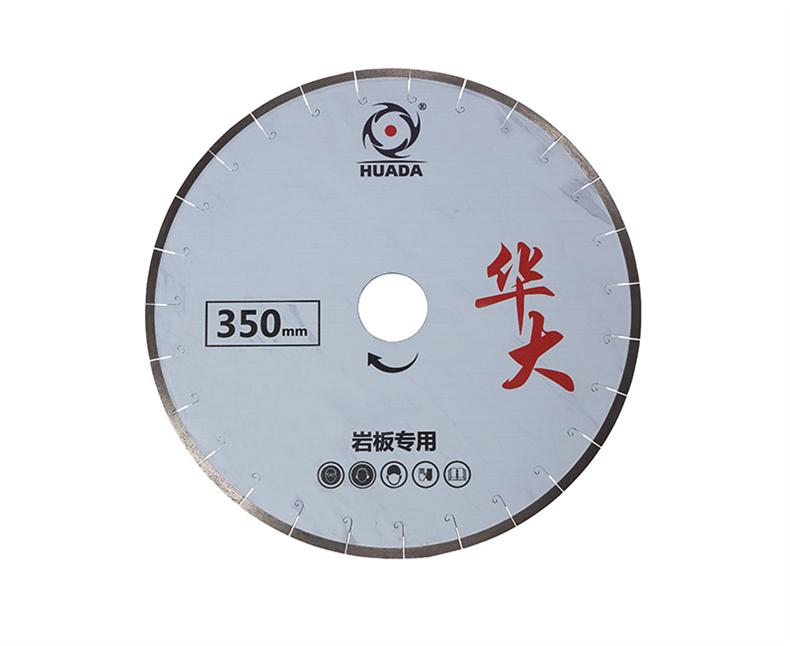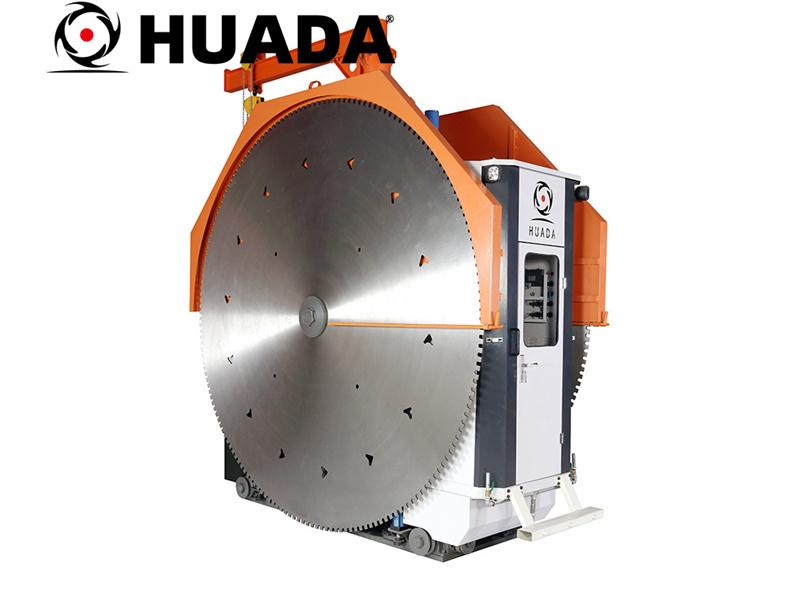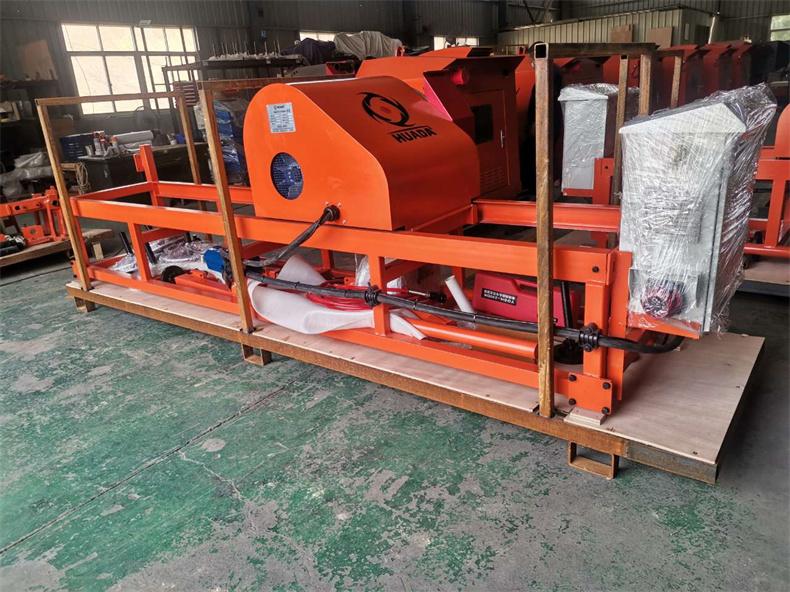

The archived article identifies three dimensions for discussing a diamond saw blade: cutting efficiency, service life, and processed-surface quality. They are evaluation headings, not grades. This matrix shows what questions the source can support and why a valid assessment still needs a defined blade, machine, material, method, and acceptance basis.
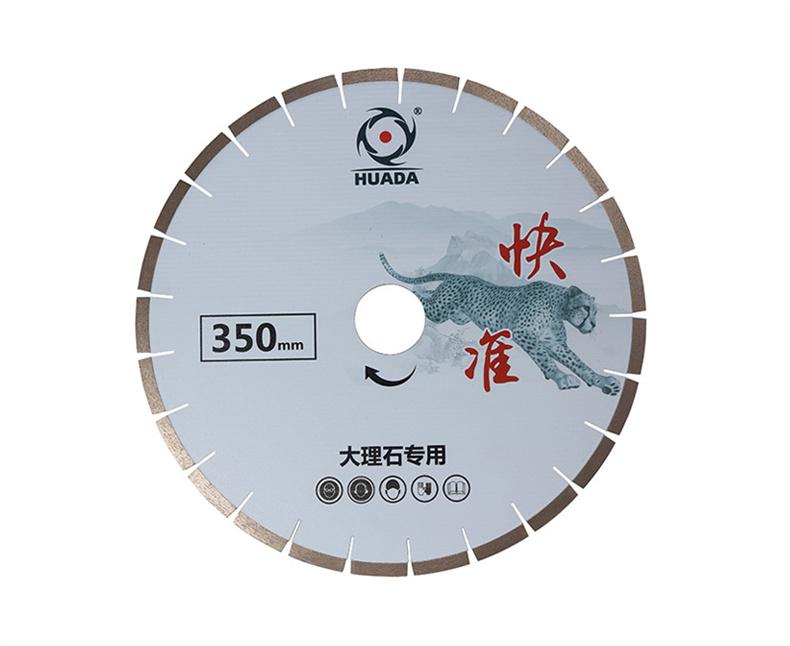
Three dimensions, kept separate
Cutting-efficiency dimension
The source names feed, cutting depth, and motor power as factors to ask about. It does not bind a unit, operating value, machine, material, blade model, test duration, or result. These names can organize an evidence request, but they cannot define an operating window or show that one blade is efficient.
Service-life dimension
The archive mentions matrix properties and diamond particle size in connection with service life. It offers no composition, size, test method, wear criterion, material condition, duty profile, or traceable sample. The relationship therefore remains qualitative. Neither factor alone predicts life, and no universal ranking follows from the source.
Processed-surface dimension
Flatness, straightness, parallelism, and edge integrity are the surface outcomes named by the source. It gives no measuring instrument, sampling plan, datum, tolerance, material, or acceptance rule. Those terms can label observations only after the responsible specification and inspection method are identified.
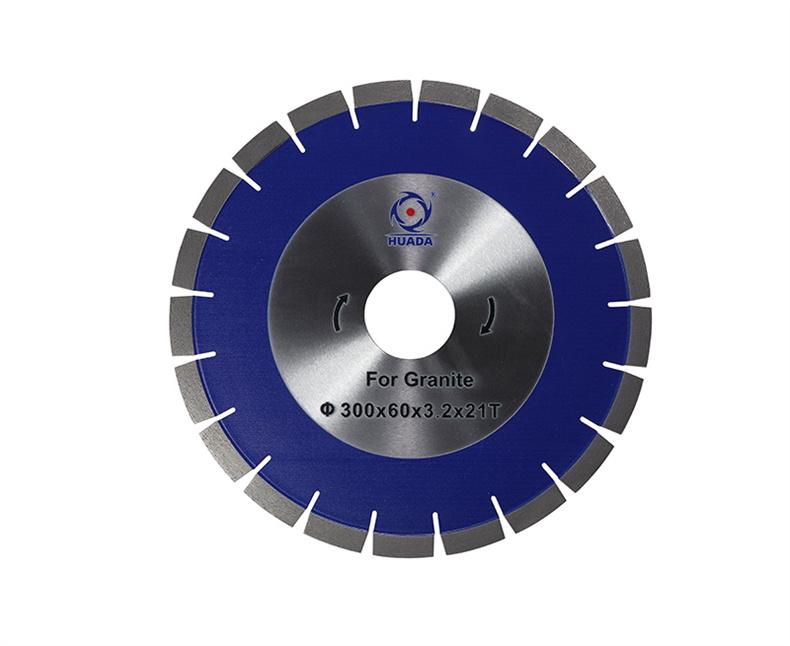
Inspection questions and missing evidence
| Archived factor or outcome | Question it can support | Evidence required for an assessment |
|---|---|---|
| Feed | Was a feed condition recorded with the result? | Current machine and blade authority, material, unit, controlled condition, and traceable record. |
| Cutting depth | Was the depth context defined rather than assumed? | Workpiece geometry, blade and machine identity, method, and applicable limit. |
| Motor power | Was the actual machine context attached to the observation? | Verified machine documentation and a defined test condition; no value is supplied here. |
| Matrix properties | Is the blade construction identified by current documentation? | Traceable blade specification and evidence relevant to the tested material and duty. |
| Diamond particle size | Is the term defined for the identified blade? | Current terminology, specification, lot identity, and a valid comparison basis. |
| Flatness, straightness, parallelism, edge integrity | Which characteristic was inspected? | Drawing or specification, datum, instrument, sampling method, tolerance, and recorded result. |
Terminology must be confirmed before use
The archive contains wording translated as wire speed and carcass in a blade-quality context. The frozen audit does not confirm that either term is technically correct for every blade or machine. This candidate does not silently substitute a modern term or turn the wording into a specification. A current blade document must define the relevant quantity and construction before either can be used in an assessment.
Likewise, the three dimensions do not form a complete standard. A project may require other material, safety, compatibility, conformity, or inspection evidence. The matrix simply preserves the limited questions that can be traced to the archive.