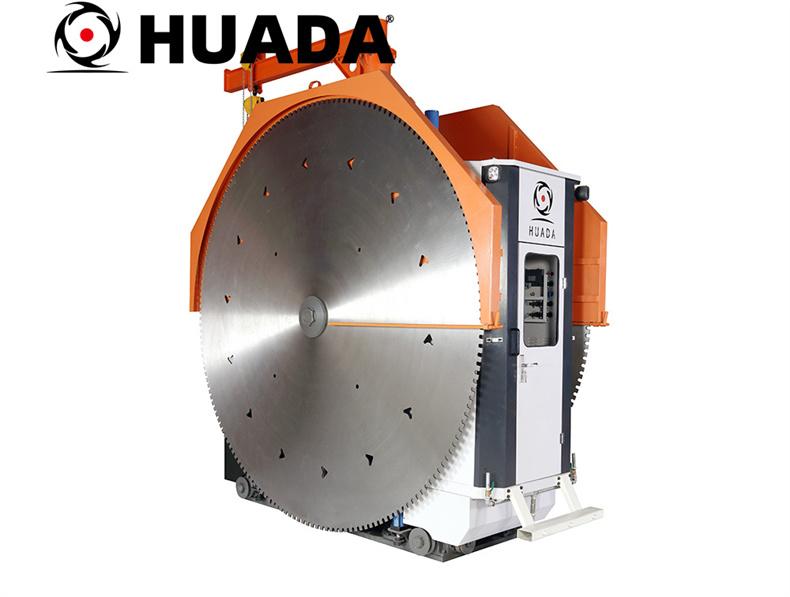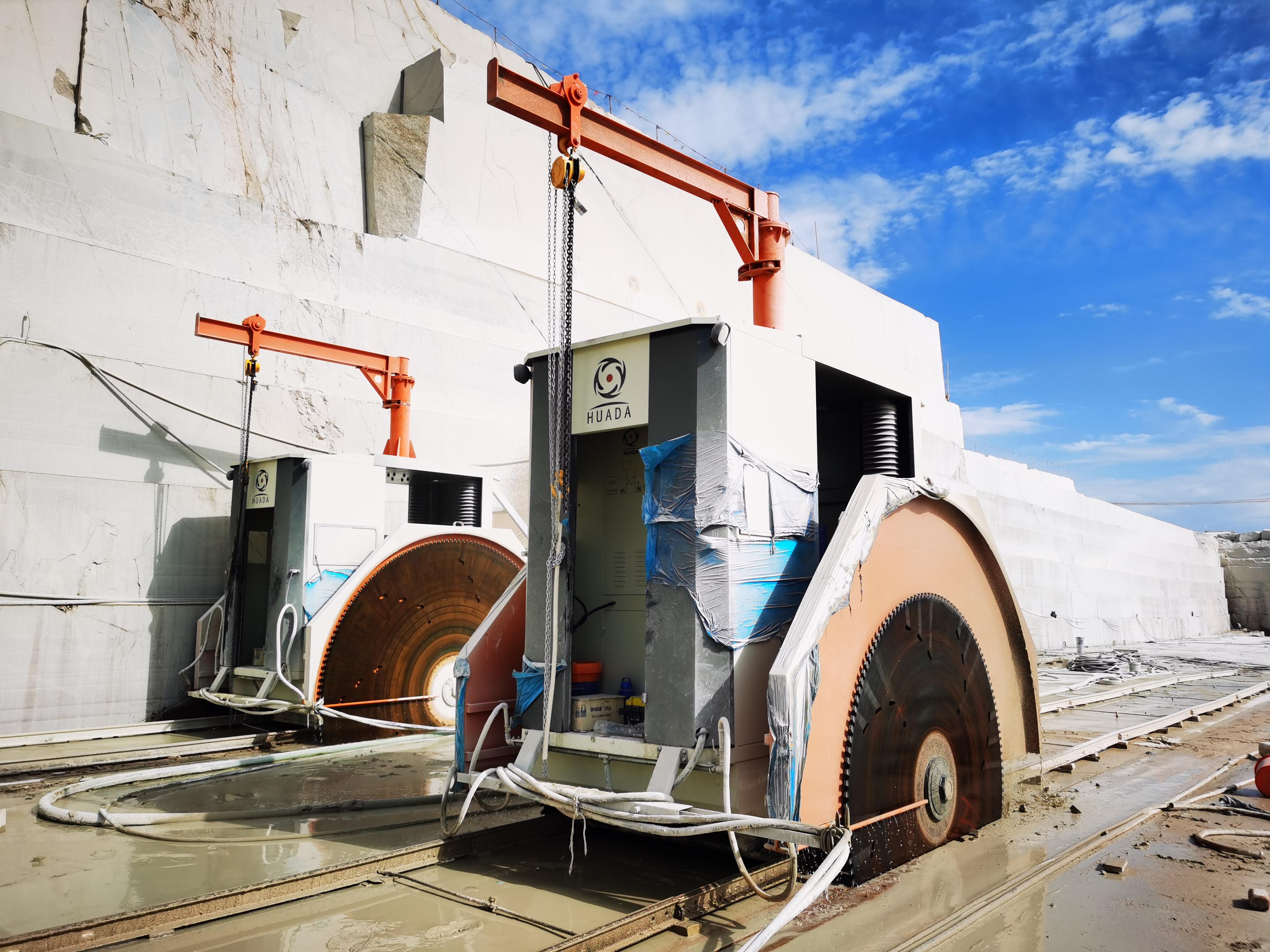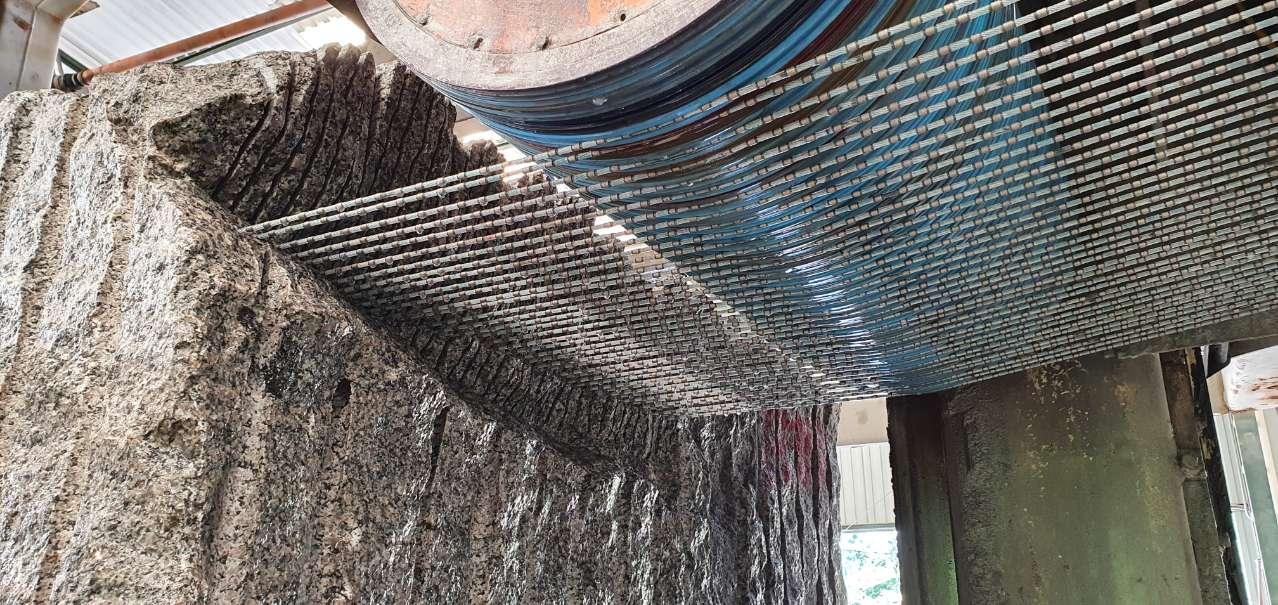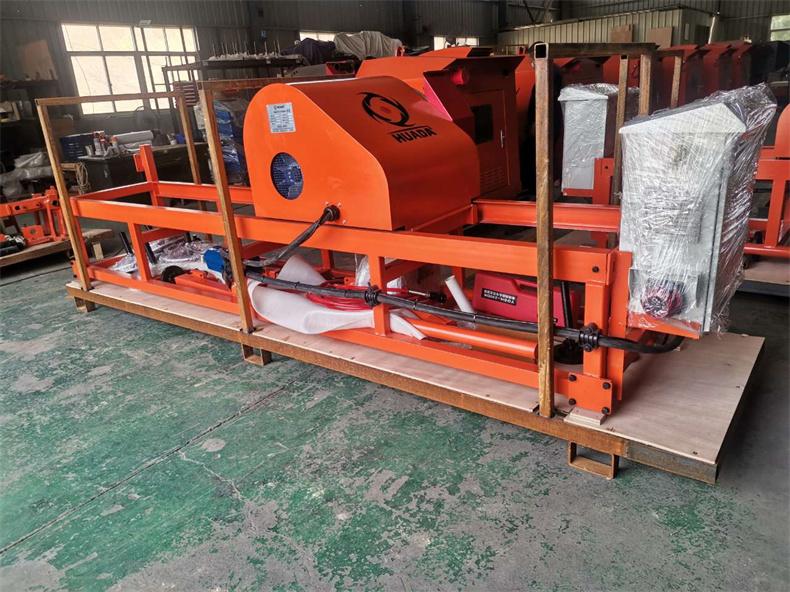

The archive names three mechanical quarry-equipment categories: chain-saw machines, diamond-wire-saw machines, and double-blade machines. This page explains only how those labels organize a project enquiry. It does not compare them with blasting, select a machine, describe quarry execution, or claim a result.
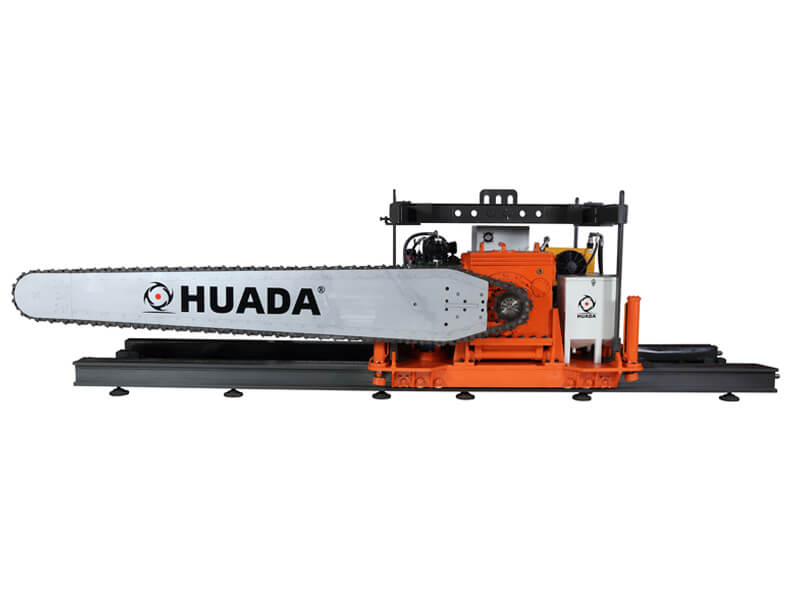
Three archived category labels
Chain-saw machine category
The source uses this name as one equipment category and associates the discussion with stone type, water availability, cutting orientation, and site constraints. None of those questions establishes a compatible stone, cooling requirement, reach, configuration, or current product. The category remains a vocabulary aid only.
- Archive label
- Chain-saw machine.
- Project question
- Which current, exact-model evidence addresses the actual material and site boundary?
- Not established
- Dimensions, utility requirement, suitability, outcome, or operating method.
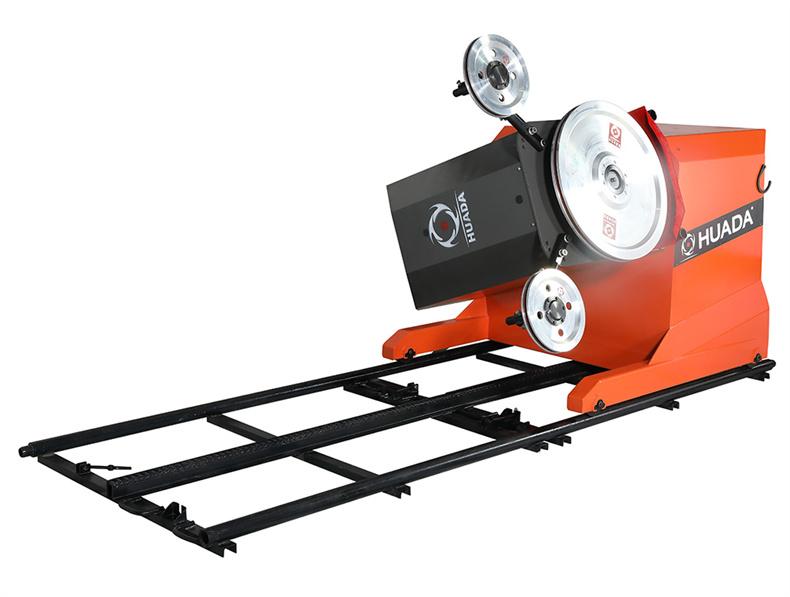
Diamond-wire-saw machine category
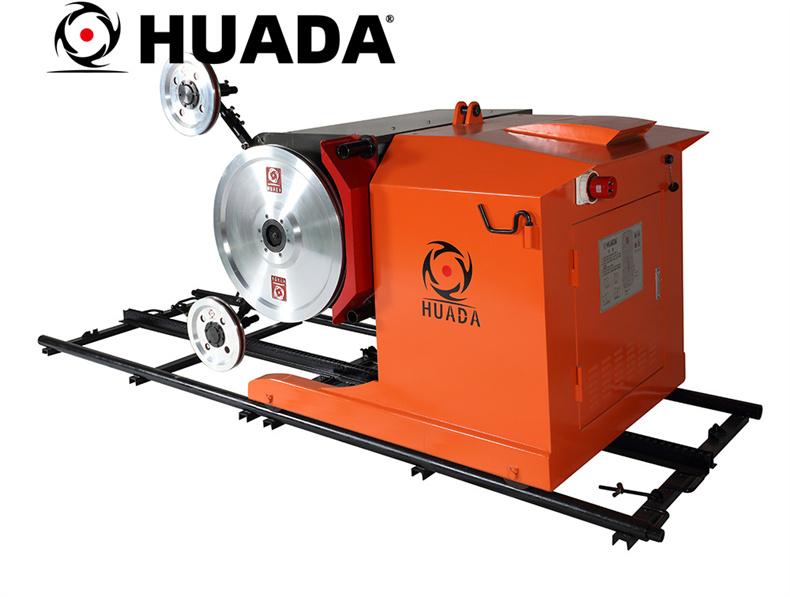
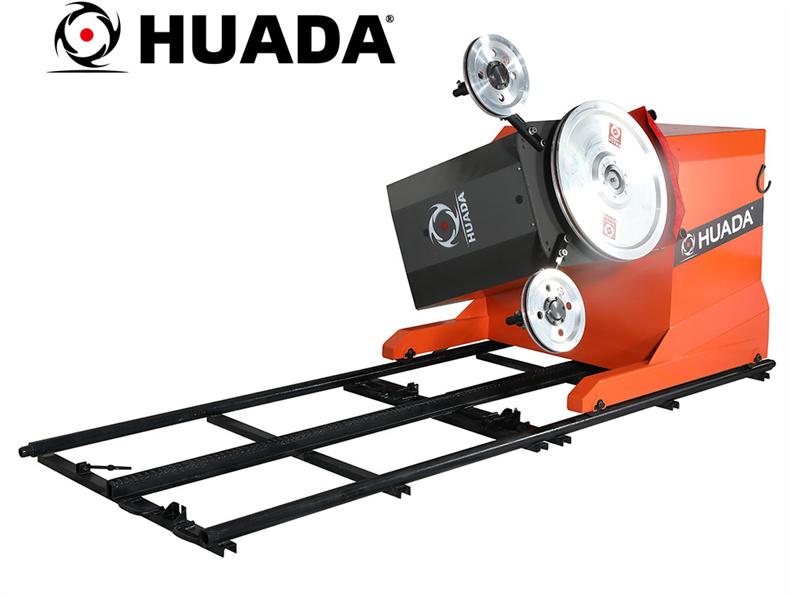
The archive names wire-saw machinery as another category. It does not bind the name to a present machine, wire, material, utility condition, site layout, or acceptance record. A category name cannot substitute for current manufacturer documentation and reviewed project engineering.
- Archive label
- Diamond-wire-saw machine.
- Project question
- What exact system identity and evidence package belongs to the enquiry?
- Not established
- Compatibility, price, operating arrangement, performance, or project outcome.
Double-blade machine category
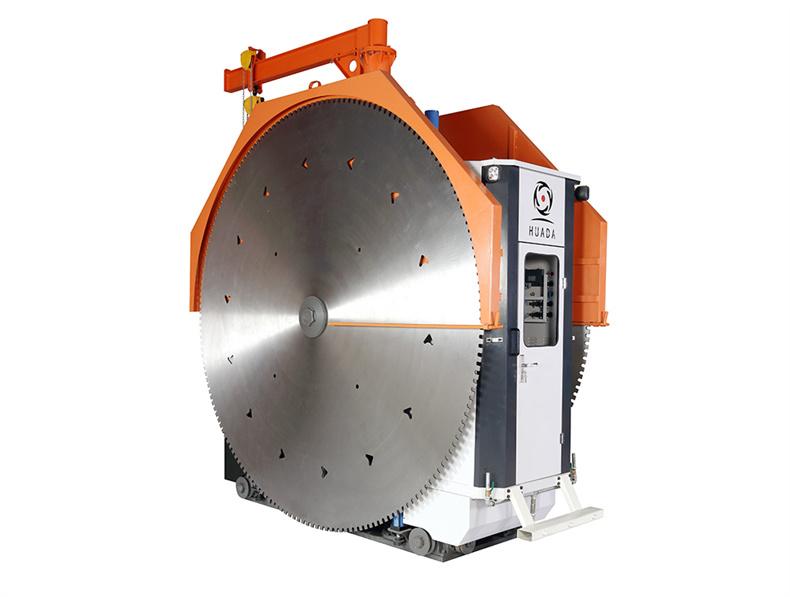
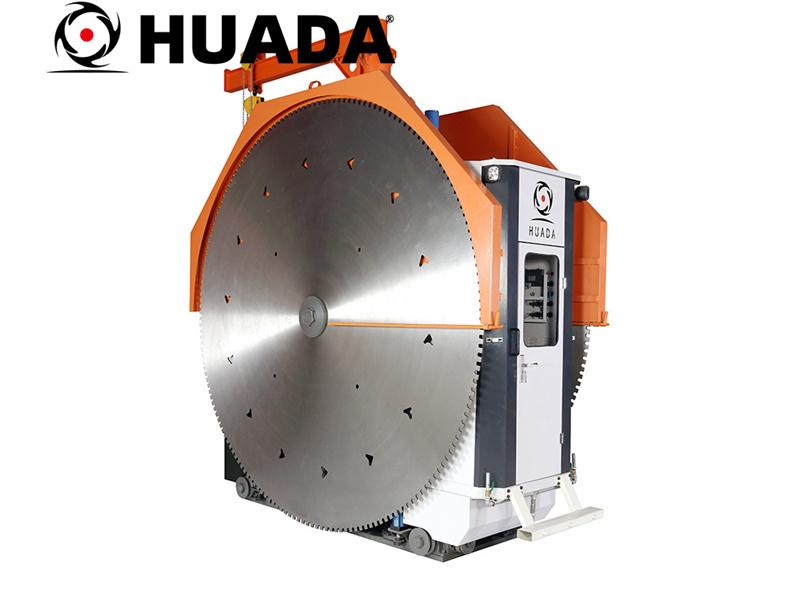
The third archived label refers to a double-blade machine category. This wording provides no blade identity, machine model, civil layout, stone fit, control architecture, or validated result. It also supplies no basis for a safety, adaptation, or environmental conclusion.
- Archive label
- Double-blade machine.
- Project question
- Which current model record and site evidence define the proposed scope?
- Not established
- Blade specification, setup, smoothness, safety factor, adaptation, or output.
Site questions that remain open
Material record
What geological and material evidence defines the actual project, and who has reviewed it?
Site boundary
What civil constraints, access limitations, interfaces, and permissions belong to the site?
Utility context
Which verified site utility conditions must be matched to current manufacturer documentation?
Orientation and geometry
What project drawings and engineering records define the intended work without relying on a generic category description?
Equipment identity
Which exact current model, system, tooling, and applicable document set are under review?
Acceptance authority
Which project specification and responsible reviewer determine whether evidence is sufficient?
These are scoping questions, not an equipment ranking or a work sequence. Their purpose is to expose the information absent from the archive before any selection or site decision is considered.
Comparisons intentionally excluded
The archive's broad statements about blasting, dust, fragility, yield, market adoption, cost, efficiency, safety, and environmental performance have no dated, scoped comparison record. They are therefore omitted. The title's phrase "blast-free" is preserved as page identity and category vocabulary; it is not a comparative verdict and supplies no blasting information.