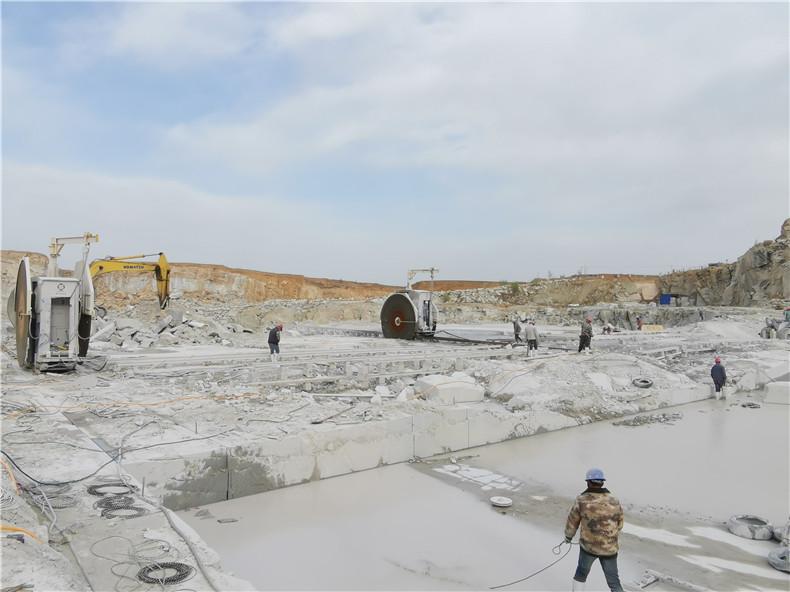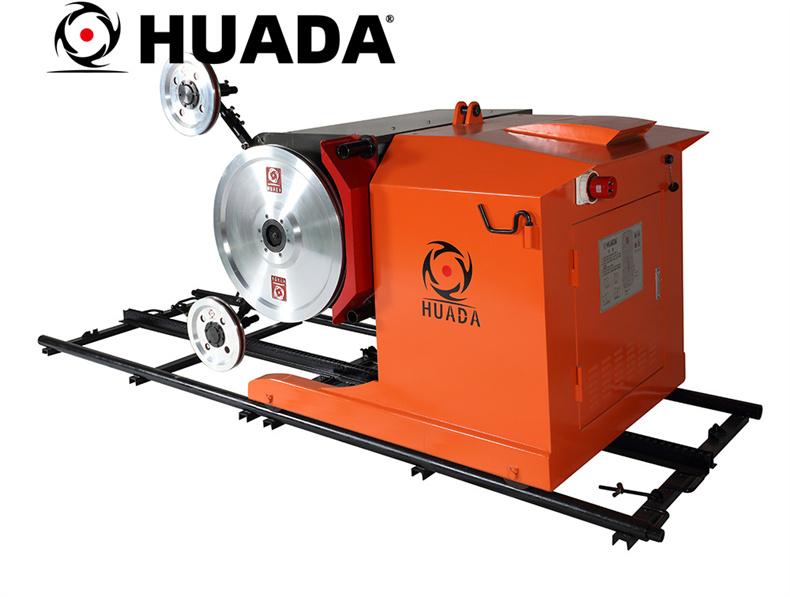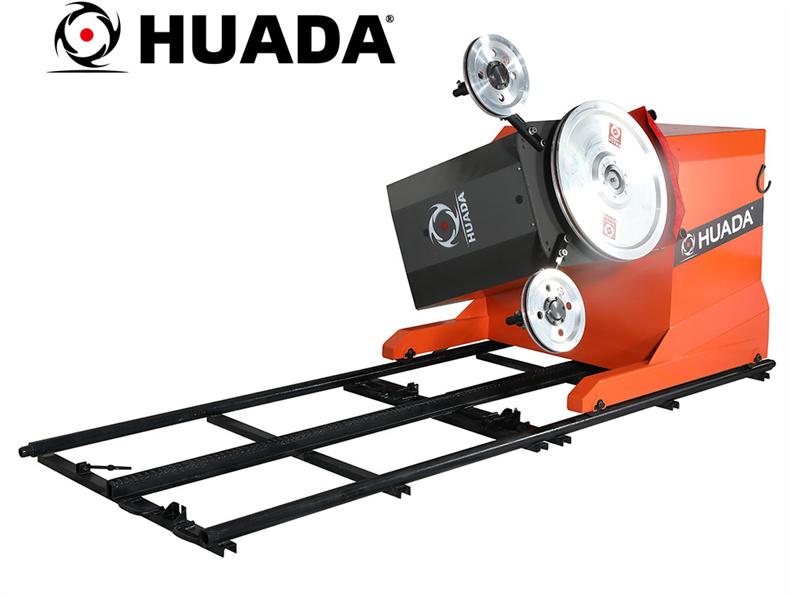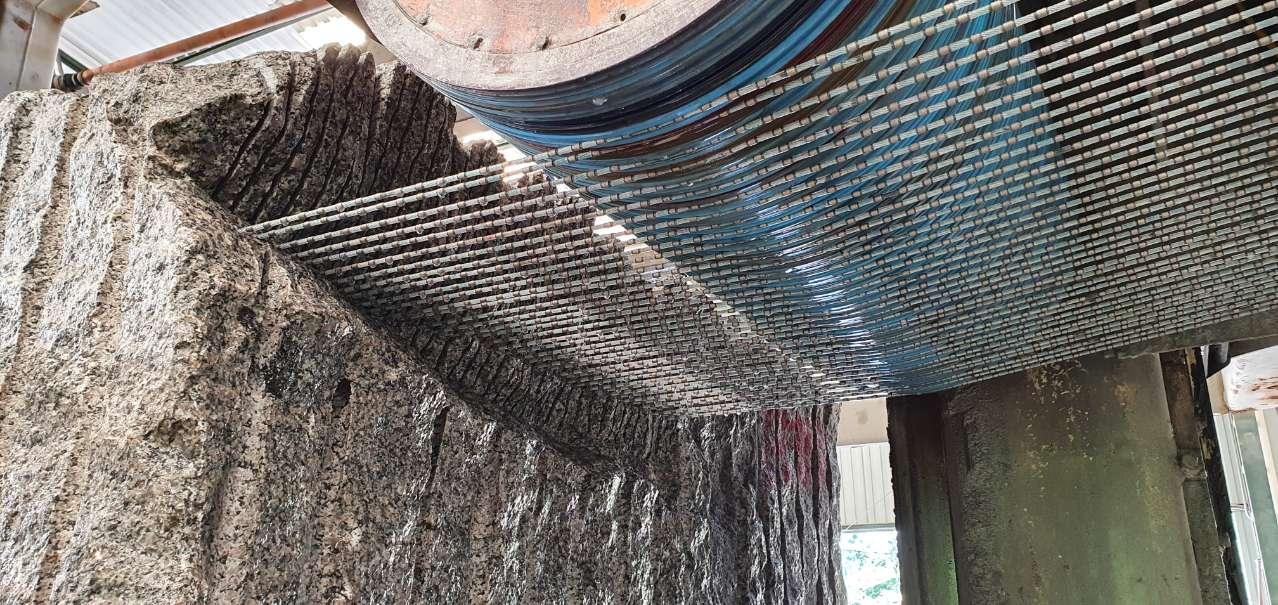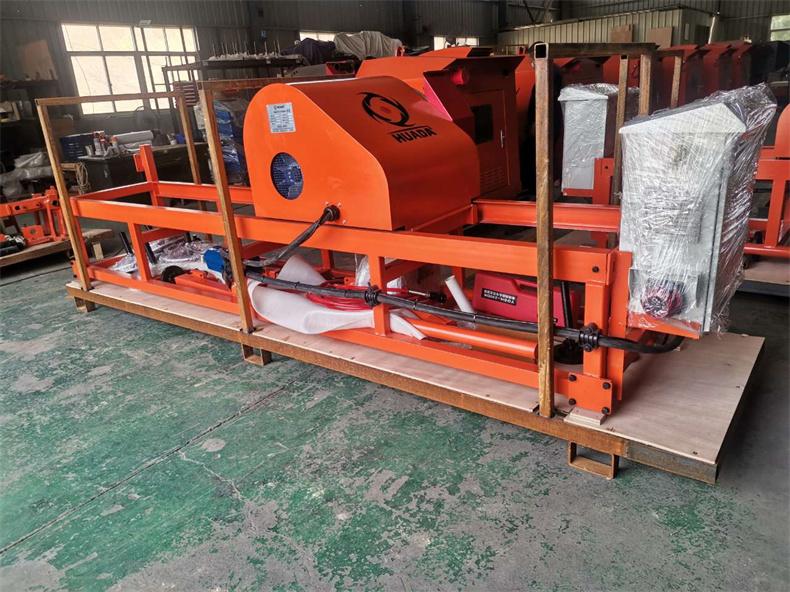

The archived source gives a narrow reason for considering block trimming at the mine: a block with more regular dimensions may bring its gross volume closer to the solid volume accepted downstream. It is a logistics decision point, not a trimming procedure and not a promise of savings.
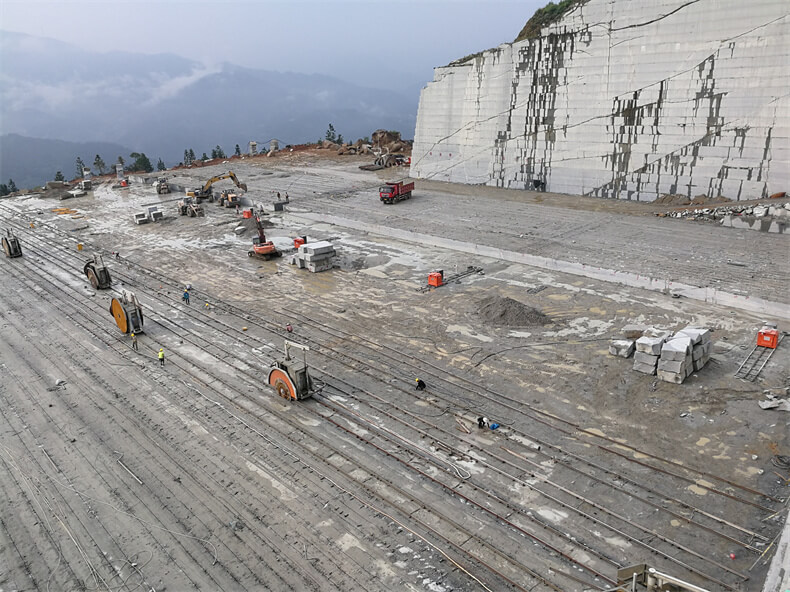
From mined block to accepted volume
The archive starts with a rough block whose outer form may include material that will not form part of the accepted solid block. It does not define an acceptable shape, allowance, or tolerance.
Trimming is described as making block dimensions more regular and improving squareness. Those are qualitative statements from the archived article; no measurement method or target is bound to this page.
The source links regularity with a closer relationship between gross block volume and accepted solid volume. Whether that relationship matters for a particular stone, buyer, or route still requires project evidence.
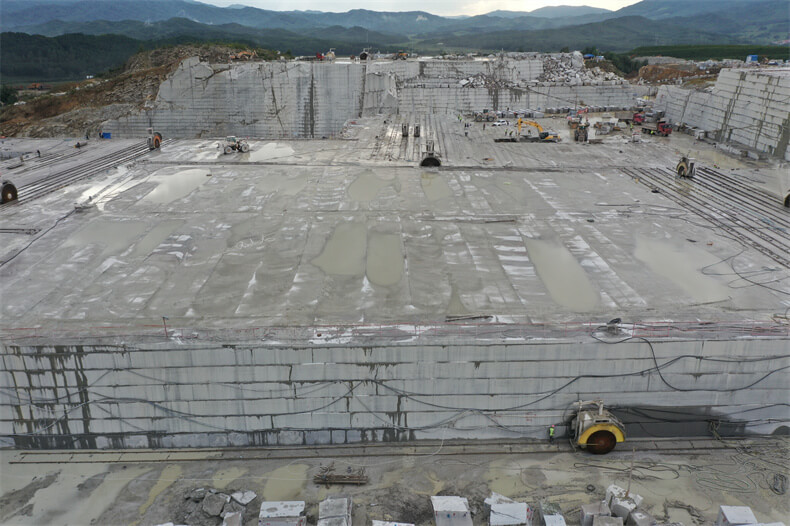
What the logistics argument actually says
The archived note says block transport is calculated by weight. On that basis, it treats material outside the ultimately accepted solid block as a possible freight burden. This is a rationale to examine, not a universal outcome: the source binds no shipment record, distance, stone density, buyer acceptance rule, freight tariff, processing yield, or cost comparison.
- Relationship supported by the archive
- More regular dimensions are associated with a closer gross-to-accepted-volume relationship.
- Context highlighted by the archive
- Mine-stage consideration is emphasized when mines are distant from ports or processing areas.
- Decision still left open
- Whether trimming is justified for the actual block, destination, and commercial arrangement.
Questions for a project-specific decision
A useful review can separate the archived rationale from the evidence a real shipment would need. What form does the buyer accept? Which part of the rough block is included in payable or transported weight? Where will shaping occur in the project flow? What records describe the actual route and handling arrangement? These questions do not prescribe how to trim; they identify why the decision cannot be made from the archived claim alone.
The answer may differ by block, quarry, contract, and destination. A decision record should therefore distinguish observed block geometry and agreed acceptance terms from any forecast about freight, waste, or competitiveness.