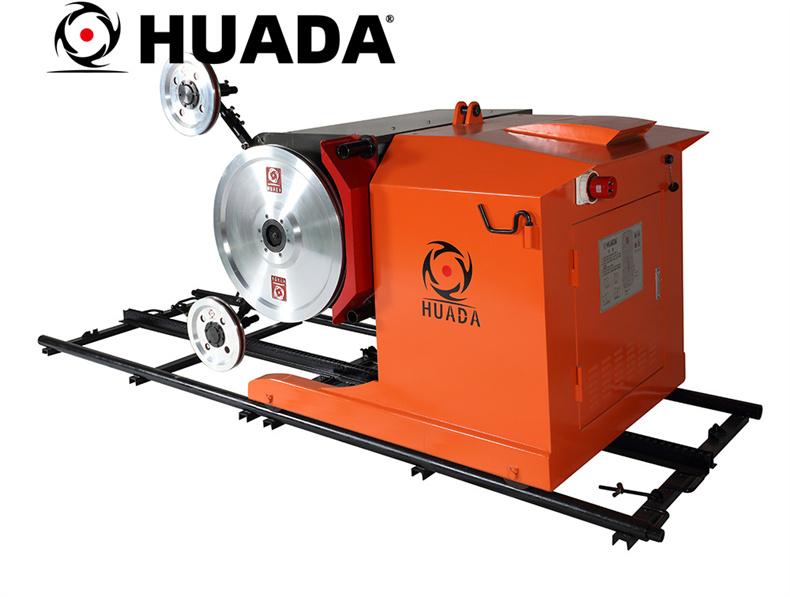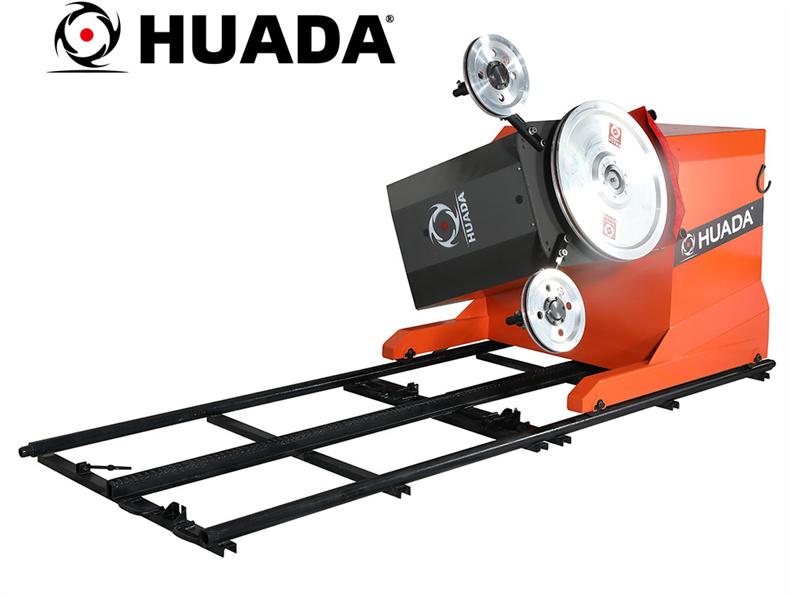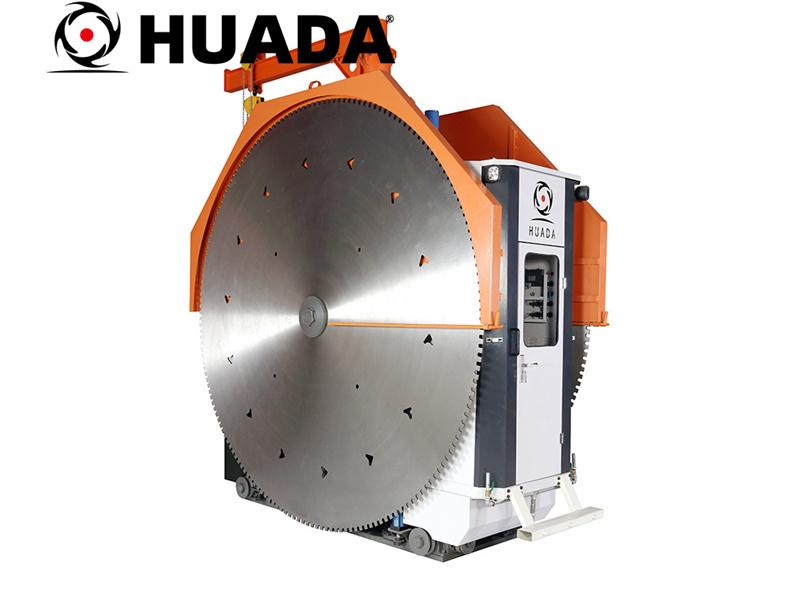

The archived page links chain-saw selection to water availability, a tunnel or quarry setting, cutting orientation, and arm length. This candidate keeps those items as unresolved inputs and omits the old numerical, environmental, cost, market, and performance conclusions.
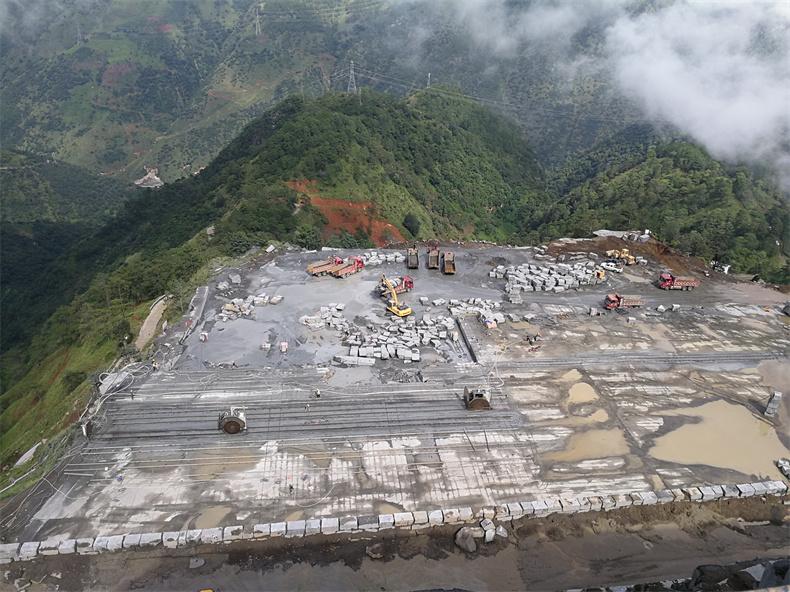
Describe the setting without deciding the method
A project file can identify whether the work is in an open quarry, a tunnel-related context, or another bounded site. It can also record available utilities, access, stone evidence, the proposed cut face, and the required block or opening. These descriptions help suppliers respond to the same scope, but they do not approve equipment or a mining method.
Claims about reduced stripping, tree cutting, climate suitability, or site safety require project-specific environmental, geotechnical, and safety authority. None is supplied by the archive.
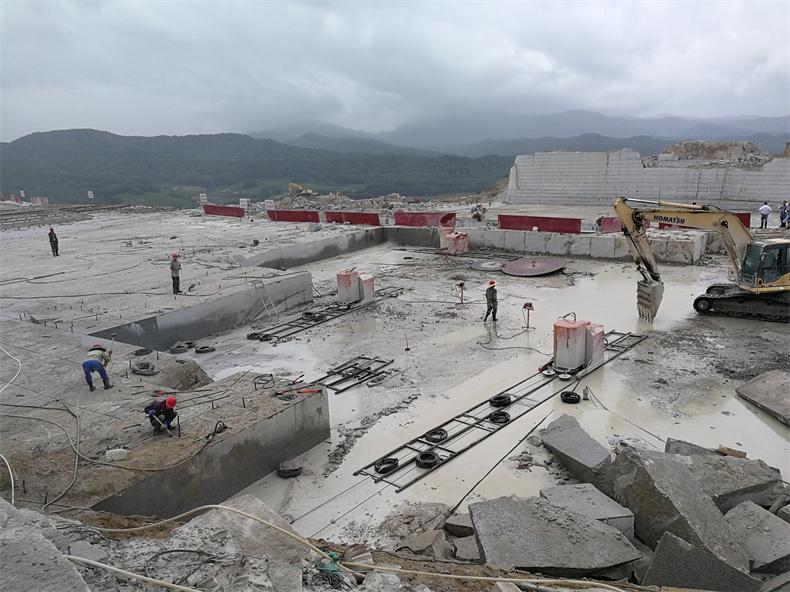
Ask for configuration evidence rather than repeating features
The source refers to arm length and several cutting orientations, including a numerical maximum. Those statements are not linked to a current model sheet and are excluded. A current response should identify the offered model, the documented envelope and permitted orientation, and any site prerequisites in the applicable manufacturer material.
Water and climate remain inputs to be resolved by current documentation and responsible project review. The archive cannot convert an absence of evidence into a no-water or all-climate claim.
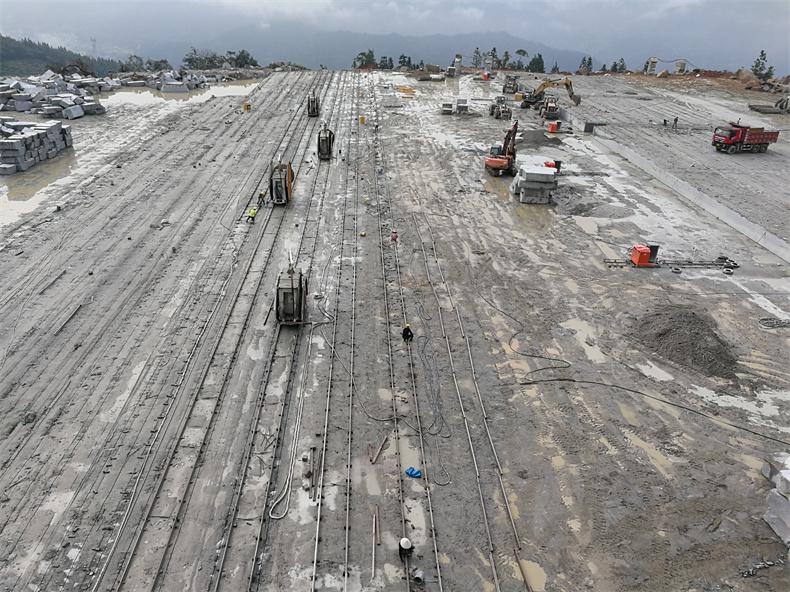
Keep the comparison inside its evidence boundary
Do not use the page to compare purchase cost, operating cost, market adoption, output, or environmental effect against wire-saw or double-blade equipment. The frozen record contains no dated market study, matched trial, or current commercial evidence for those conclusions.
The resulting question map is intentionally non-operational: define the site and required result, request exact model evidence, record unresolved constraints, and leave method approval to the authorised project process.