Author:Huada Quarrying Machine FROM:Stone quarry machine manufacturer TIME:2026-09-02
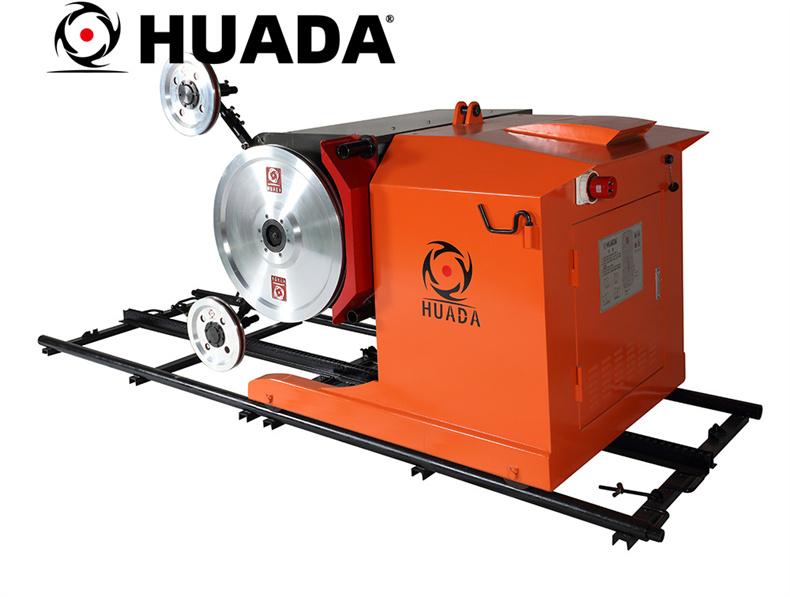
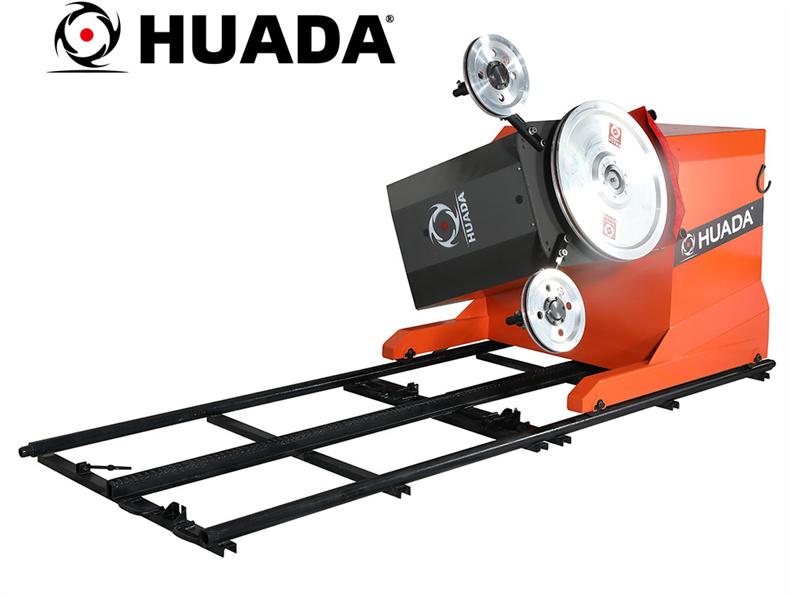
Diamond wire saw is a professional equipment used for stone mining. To buy such professional machines, we need to refer to certain standards and judge whether they meet their own needs through the parameters of the machine. This paper will introduce what parameters you need to see when purchasing diamond wire saw cutting machine.
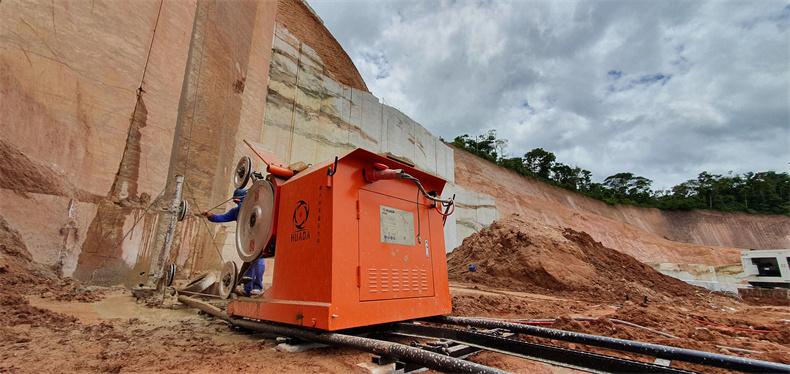
The power of main motor is an important factor to determine the working efficiency of wire saw cutting machine.
The linear speed of the main flywheel is an index to judge the cutting speed of the machine. The higher the linear speed, the faster the machine is in cutting operation. High speed cutting can improve the mining efficiency.
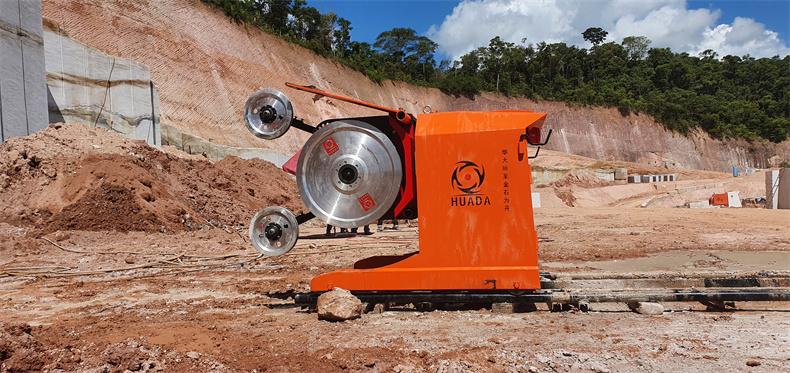
In the actual mining, the movement of equipment is inconvenient, which needs the cooperation of labor and forklift. Short distance movement can be realized through the translation and turnover of the rope saw. Therefore, the greater the maximum cutting spacing of the rope saw, the higher its flexibility and avoid frequent movement.
In addition to the above mentioned indexes, the turning angle of the head of diamond wire saw cutting machine is also an important reference index. At present, most of the heads of diamond wire saw machines produced by major manufacturers on the market can turn + / - 180 °.
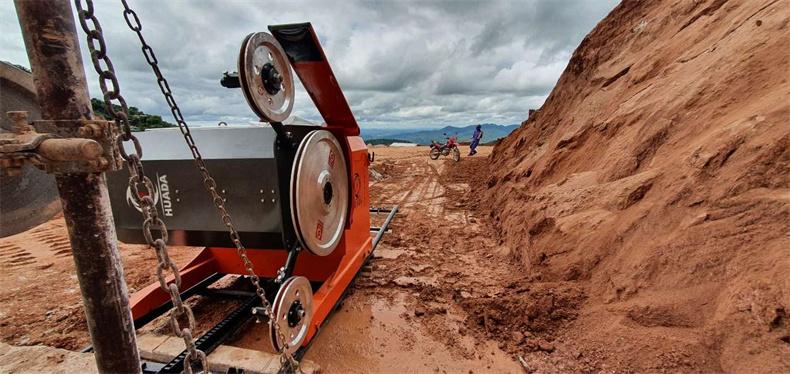
To learn more about stone mining equipment, welcome to the official website of Huada