Use “Four knowledge points of ultra thin diamond cutting blade” as a decision brief for a diamond saw blade: define material, machine, blade diameter, arbor, segment bond, cutting mode, depth and required edge quality, verify blade speed, feed, cooling, flange condition, alignment, segment wear and dressing and retain machine compatibility, blade specification, representative cut quality and measured service life before approval.
Technical context for Four knowledge points of ultra thin diamond cutting blade
Ultra thin diamond cutting blade belongs to one of diamond cutting blades, which is mainly used for precision grooving and cutting. Today, we will introduce four knowledge points about it.
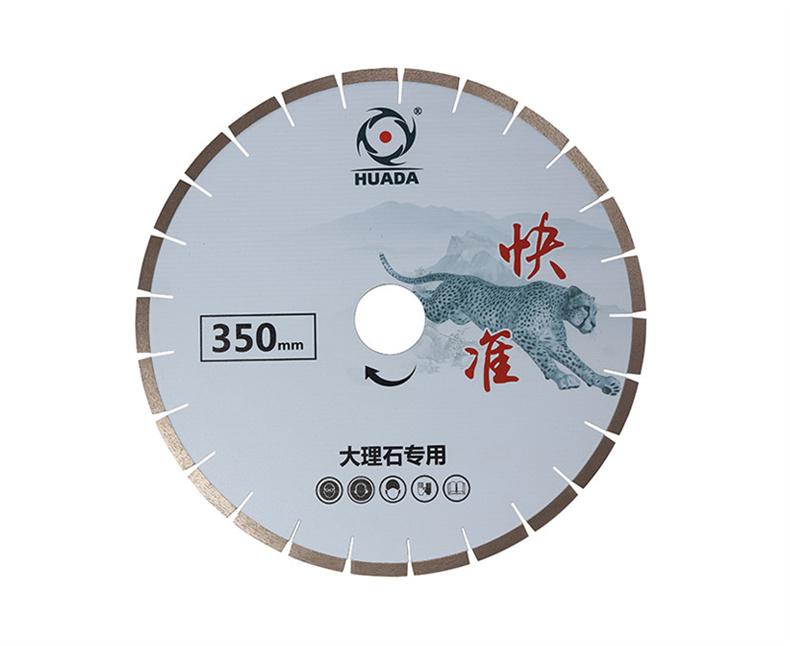
Thickness of whole ultra thin diamond chip
The monolithic ultra-thin diamond cutting blade has thin thickness (mostly less than 0.5mm), small outer diameter (20-100 mm), fine grain size, high precision of size and shape and position, and light weight. It is generally used at high speed. The general speed is 5000-40000 rpm.
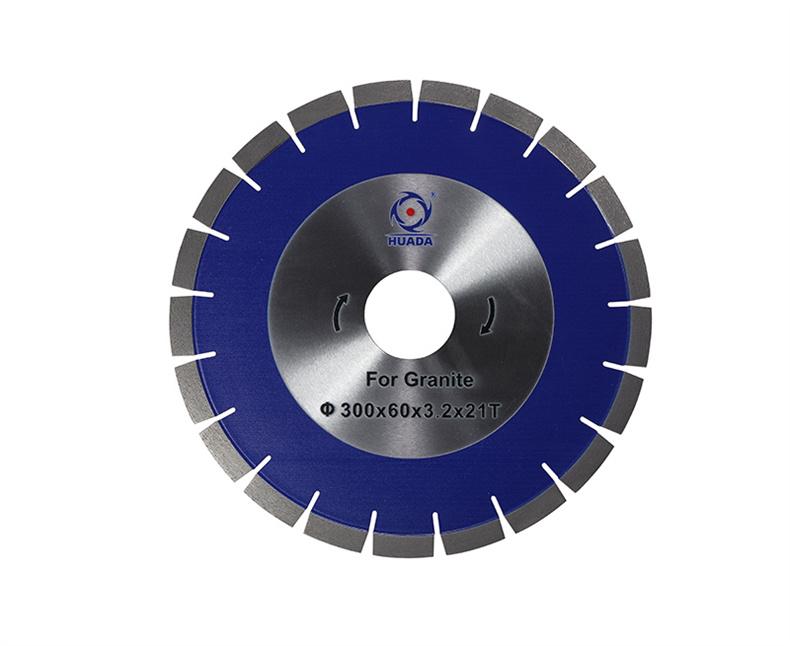
Thickness of ultra thin diamond cutting blade
Most of the ultra-thin diamond cutting chips are thick (0.5-2 mm), large in diameter (100-200 mm), coarse in grain size and low in accuracy. They are generally used under the condition of low speed and large cutting depth. The general speed is 3000-10000 rpm.
Fine grained
Generally, the thinner the thickness is, the finer the abrasive grain size will be, and the better the surface quality will be. However, the finer the abrasive particle size, the sharpness of the cutting will be reduced, so the feed speed should be reduced to adapt to the machinability of the abrasive particle size.
Cutting depth
The cutting depth of ultra-thin diamond cutting blade is generally determined by the user according to the cutting parts, and the cutting mostly adopts the creep feed grinding process, and the depth is cut at one time. In this way, due to the thin cutting wheel and poor cutting conditions (mostly three-sided contact workpiece), the heat dissipation is difficult, so it is necessary to increase (flow, pressure) the cooling of the cutting area.

Use evidence that can be retained
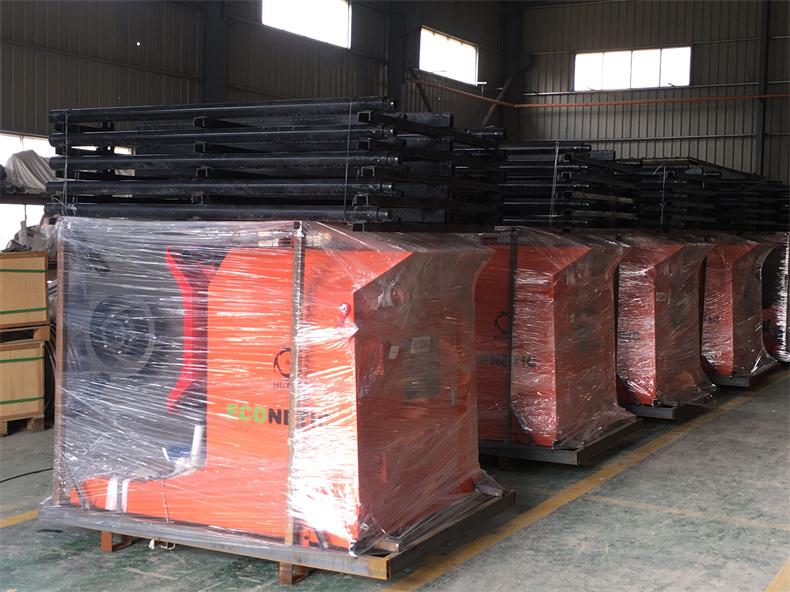
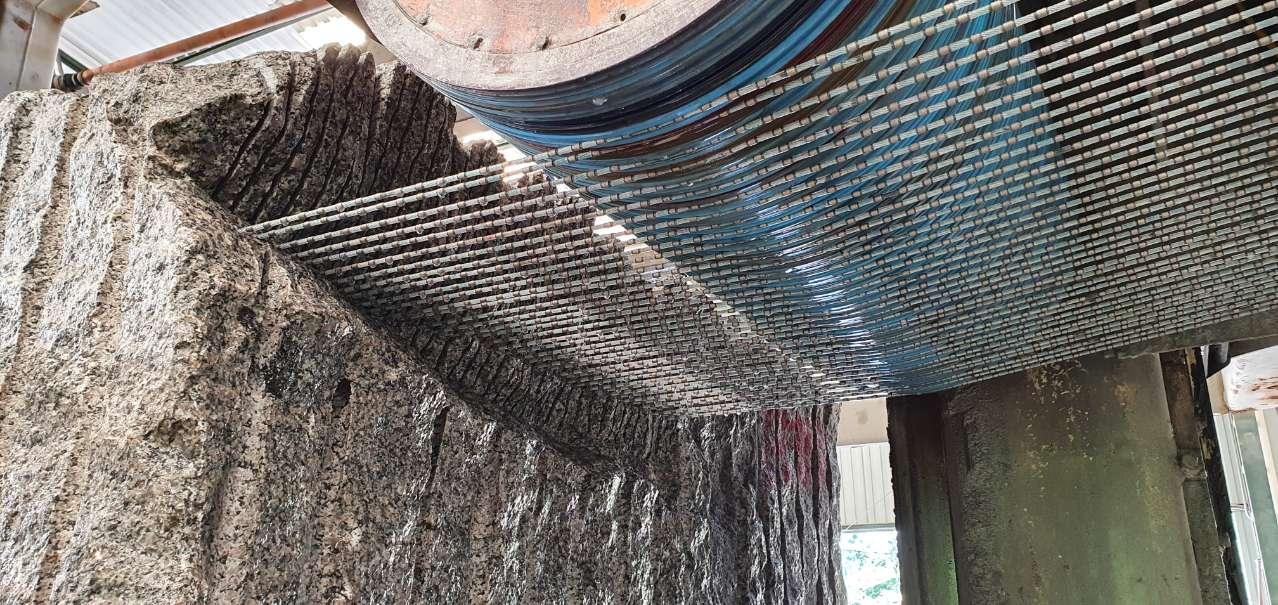
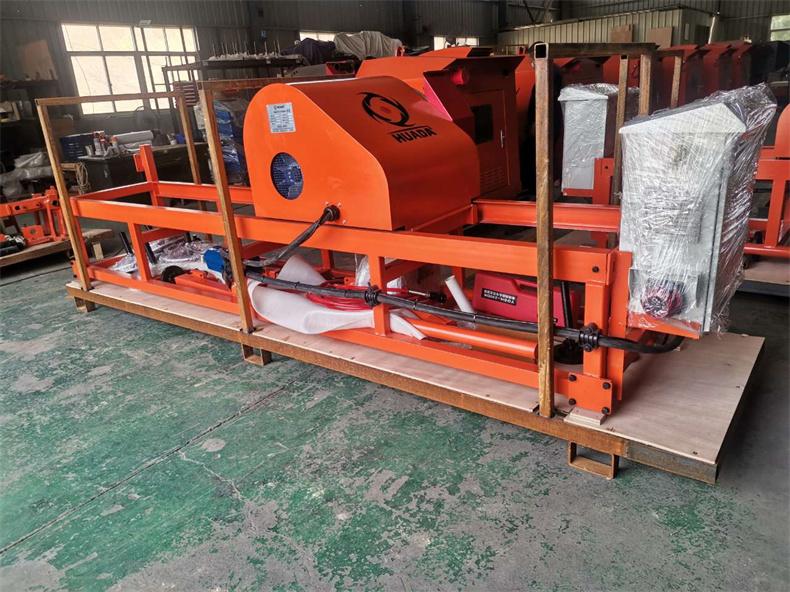
A practical review of “Four knowledge points of ultra thin diamond cutting blade” should retain machine compatibility, blade specification, representative cut quality and measured service life. Photographs and brochures help identify the offered configuration, but they do not replace a test condition, measured result or signed scope. Record settings for blade speed, feed, cooling, flange condition, alignment, segment wear and dressing so the accepted result can be repeated.
Control the main operating risk
The recurring risk in “Four knowledge points of ultra thin diamond cutting blade” is choosing by diameter alone and overlooking arbor, bond, machine speed and cutting conditions. Set a stop condition, assign who checks the machine and tool, and keep changes traceable. If the result moves outside the agreed window, investigate the material, alignment, tooling and utilities before adding load or speed.
Define the application before comparing equipment
For “Four knowledge points of ultra thin diamond cutting blade,” write down material, machine, blade diameter, arbor, segment bond, cutting mode, depth and required edge quality. This separates a real project requirement from a search phrase and gives every supplier the same boundary. The proposed diamond saw blade can then be checked against the material, site and required result instead of being accepted by name alone.
Decision and acceptance table
| Decision point | What to define | Evidence to keep |
|---|---|---|
| Application | material, machine, blade diameter, arbor, segment bond, cutting mode, depth and required edge quality | Written job or product brief |
| Operating window | blade speed, feed, cooling, flange condition, alignment, segment wear and dressing | Recorded trial settings and observations |
| Acceptance | machine compatibility, blade specification, representative cut quality and measured service life | Signed sample, cut record or inspection note |
| Risk control | choosing by diameter alone and overlooking arbor, bond, machine speed and cutting conditions | Named corrective action and stop condition |
Buyer and operator checklist
- Material and cut or hole dimensions for Four knowledge points of ultra thin diamond cutting blade
- Offered diamond saw blade configuration and included tooling
- Power, water, compressed air, access and lifting requirements
- Settings and checks covering blade speed, feed, cooling, flange condition, alignment, segment wear and dressing
- Factory or site acceptance method and responsible people
- Training, critical spares, manuals and service response boundary
Frequently asked questions
What should be confirmed first for Four knowledge points of ultra thin diamond cutting blade?
For Four knowledge points of ultra thin diamond cutting blade, start with material, machine, blade diameter, arbor, segment bond, cutting mode, depth and required edge quality. Those inputs determine whether the proposed diamond saw blade and tool are relevant.
How should performance for Four knowledge points of ultra thin diamond cutting blade be verified?
For Four knowledge points of ultra thin diamond cutting blade, use machine compatibility, blade specification, representative cut quality and measured service life. Keep the material, operating conditions and acceptance criteria with the result.
Which settings matter during Four knowledge points of ultra thin diamond cutting blade?
For Four knowledge points of ultra thin diamond cutting blade, record blade speed, feed, cooling, flange condition, alignment, segment wear and dressing. A result without its settings is difficult to reproduce or compare.
When should work on Four knowledge points of ultra thin diamond cutting blade be paused?
For Four knowledge points of ultra thin diamond cutting blade, pause when the workpiece, support, guarding, utilities or cutting condition is unsafe, or when choosing by diameter alone and overlooking arbor, bond, machine speed and cutting conditions is observed.