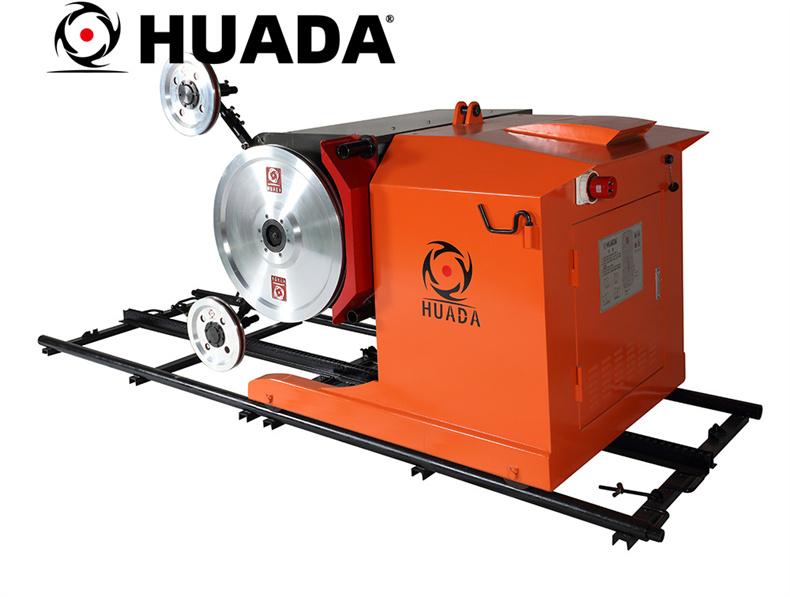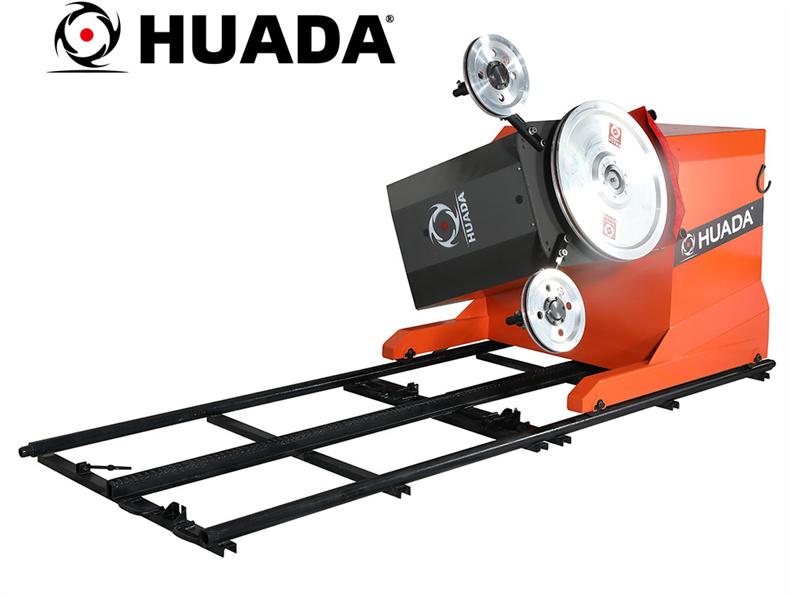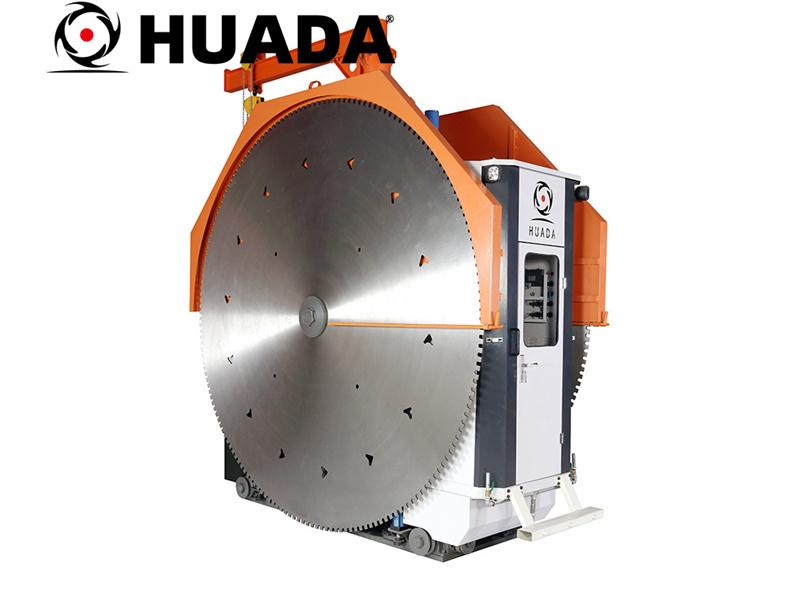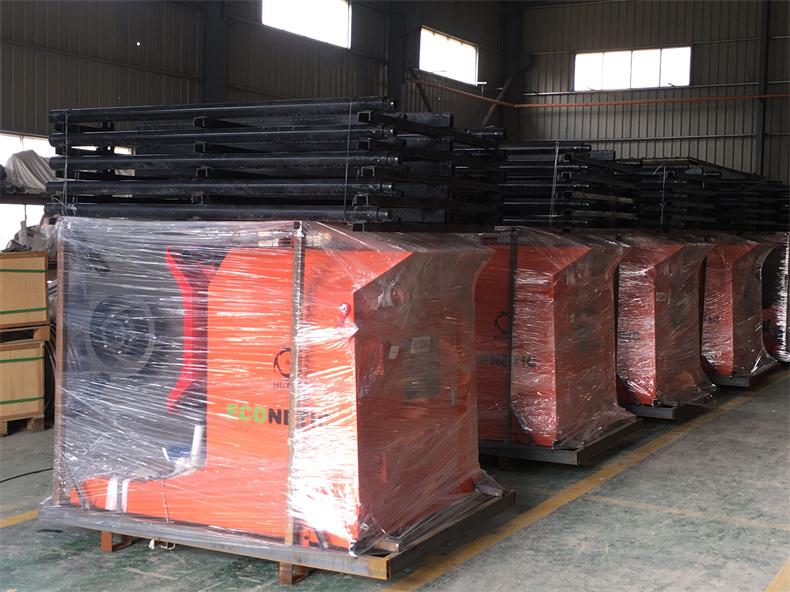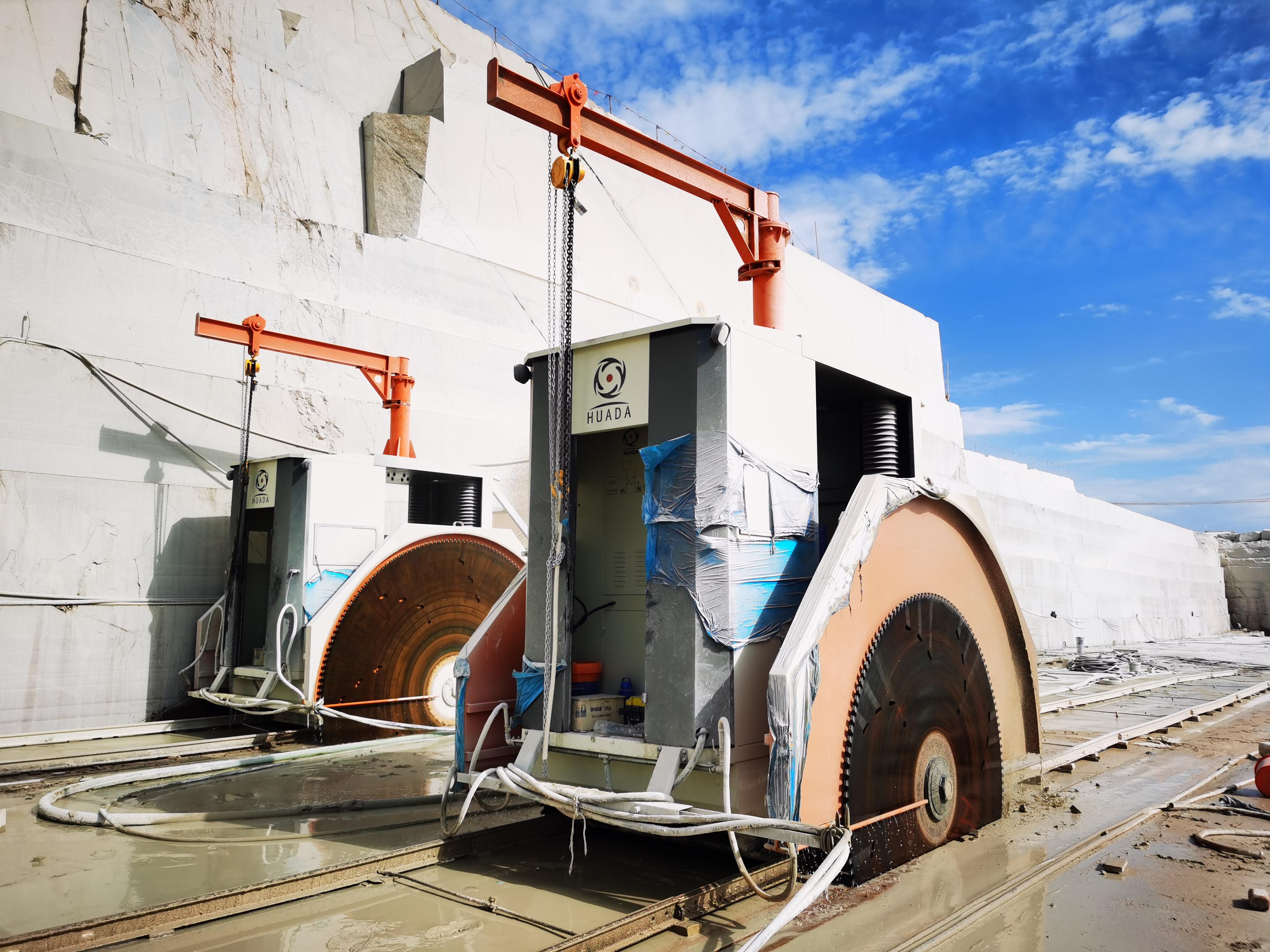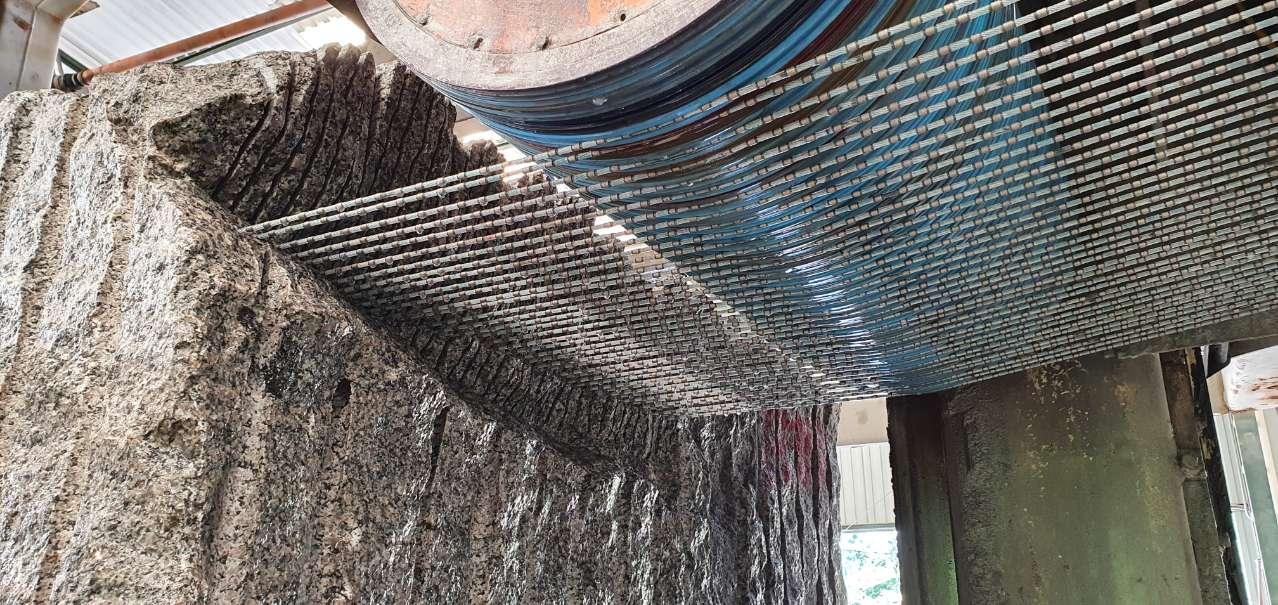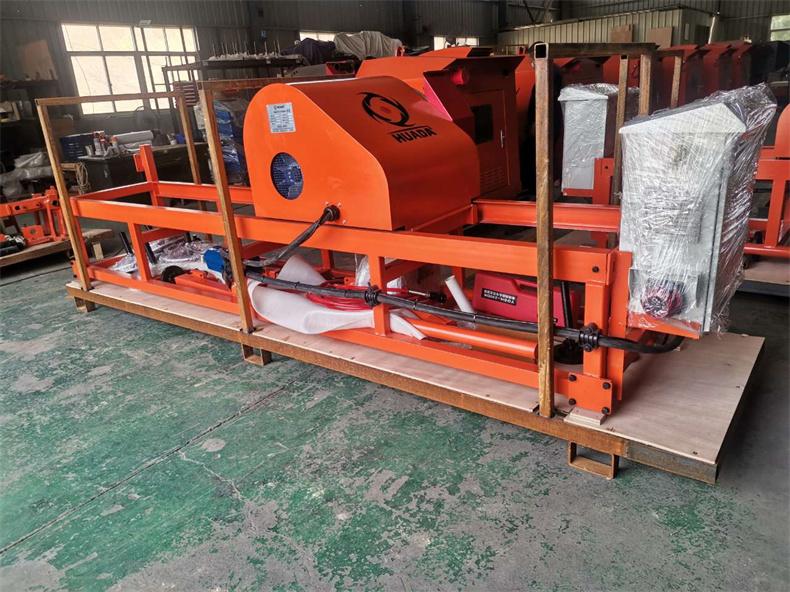

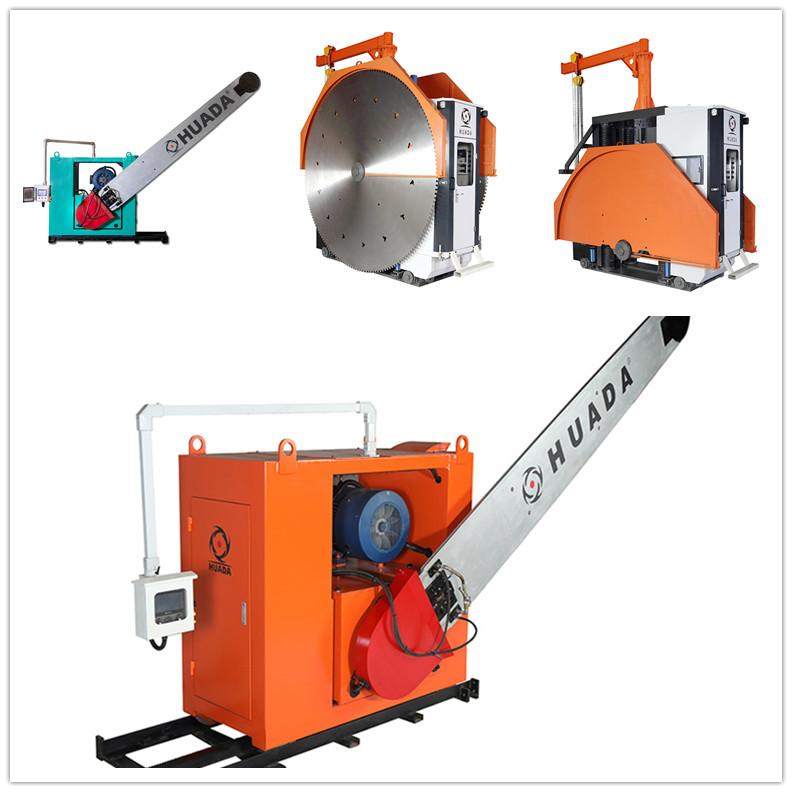
The source names track-walking, crawler or self-moving, and tunnel-oriented chain-arm saws. They are retained here as non-exhaustive archive labels, not as a current product catalogue or proof that the formats share one structure, operating principle, or application range.
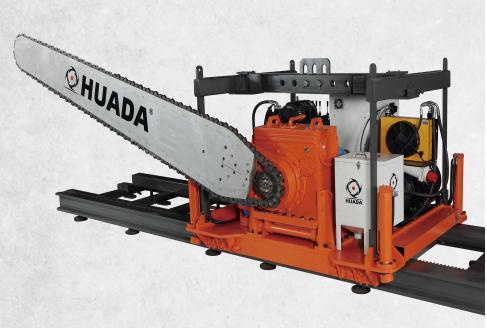
Use the labels to index evidence, not to choose a machine
Track-walking, crawler or self-moving, and tunnel-oriented are the category words preserved by the archive. A current enquiry should ask the supplier which exact model, configuration, and document correspond to any label. Similar names do not establish equivalent dimensions, mobility, cutting envelope, utilities, or controls.
The archive does not prove that three labels cover every available format. Treat the map as a starting index and retain any unmatched or ambiguous configuration as an open item.
Build a site and material question set
The frozen evidence names material, water availability, the required cutting surface or block, and operator complexity as selection topics. These are questions that a project record must answer. They are not findings that a chain saw needs no water, suits every soft stone, or creates a particular surface or block yield.
Record the actual stone evidence, site access and utilities, required result, and the responsible acceptance authority. Ask for model-bound documentation rather than translating the archived article into a feature list.
Hold unsupported advantages outside the comparison
The old text discusses dry cutting, water, flat surfaces, large blocks, yield, efficiency, mist or dust, and operator skill. No current model or test evidence is frozen for those statements. They therefore remain excluded from this candidate.
A defensible comparison identifies the exact offered format, the current supporting documents, and the project-specific questions still open. It does not use an archived category page as a universal capability or exclusion statement.