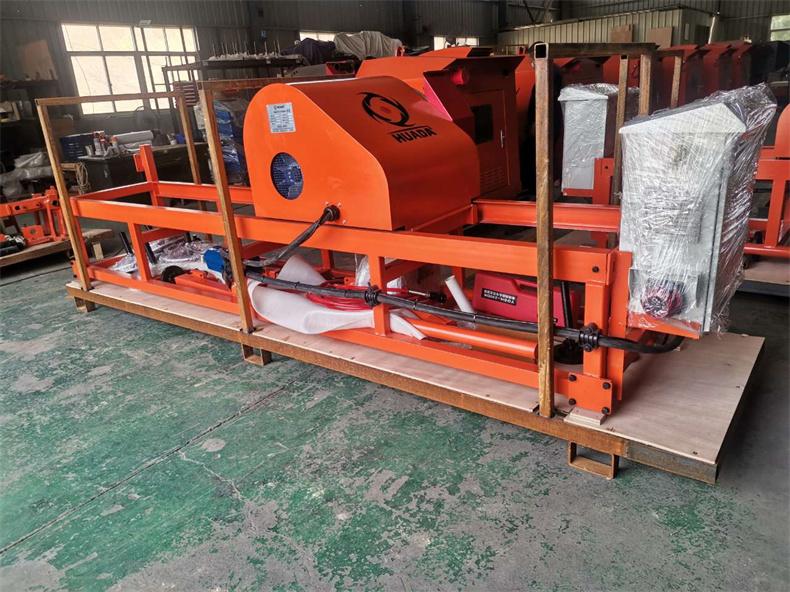

The archived page names seven groups of selection topics, but it does not identify an exact machine range, material, project, site, configuration, datasheet, manual, quotation, service record or comparable test. Those missing identities prevent the page from naming a right machine. What remains useful is a record map for separating the buyer's requirement from evidence about a specific offer.
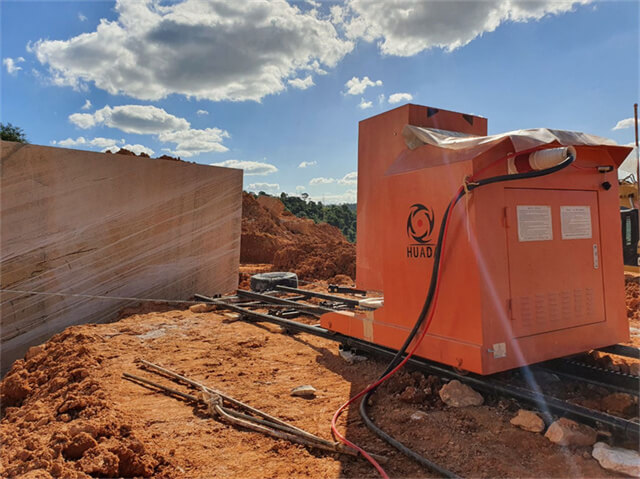
Describe the requirement without choosing a machine
A project description and a product claim are different records. The first states which material and site are in scope and what result needs to be evaluated. The second belongs to an exact model and configuration. The archive does not provide either record at that level, so its broad labels cannot connect a need to a particular offer.
Material identity
The stone or project material is not identified in a source that can be tied to an exact offer.
Site identity
No named site, access boundary or installation context is documented.
Offer identity
No exact model, configuration, included scope or revision-controlled product record is supplied.
Seven archived topic groups
The source audit preserves the following groups as labels only. They describe areas the old article discussed, not criteria that have been verified for a purchase decision.
- Need, material, scale and site
- No exact project record connects these subjects to a machine.
- Handheld, rail and stationary type
- The labels are not an audited model taxonomy or recommendation.
- Depth, weight and ergonomics
- No verified specification or application boundary is attached.
- Blade compatibility
- No exact blade, interface, model or manufacturer's record is identified.
- Maintenance and support
- No manual, service scope, response record or responsible entity is named.
- Budget
- No dated quotation, currency, terms or included configuration is preserved.
- Reviews
- No attributable review set is linked to an exact model and comparable use.
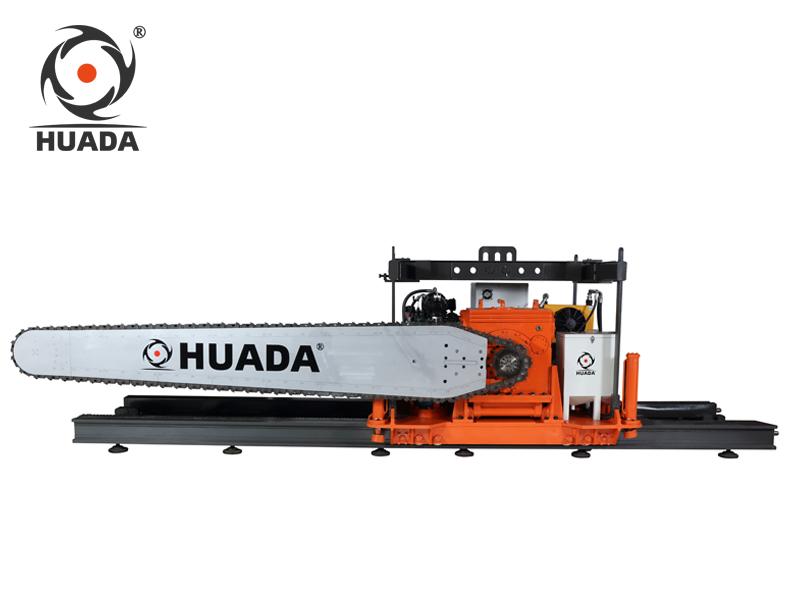
The records that could connect a need to an offer
An exact datasheet can identify what a supplier says about a named configuration. A model-specific manual can define the documented product boundary without this page reproducing operating instructions. A dated quotation can show what is included commercially. A service document can identify the responsible entity and scope. A comparable test record can state which material, model and acceptance evidence belong together.
None of those documents appears in the archived source. Their absence is the reason this candidate maps evidence rather than endorsing a model or turning the seven labels into a buying formula.
What a comparison must not assume
Names such as handheld, rail or stationary do not by themselves establish fit. A lower or higher budget does not establish value. A review does not prove suitability for an unnamed material and site. General references to compatibility, maintenance or support do not show that those terms belong to a particular offered configuration.
The defensible boundary is therefore documentary: keep each requirement attached to its project identity, and keep each supplier statement attached to its exact model and record. Until those two sides are comparable, the page cannot resolve the title's choice question.