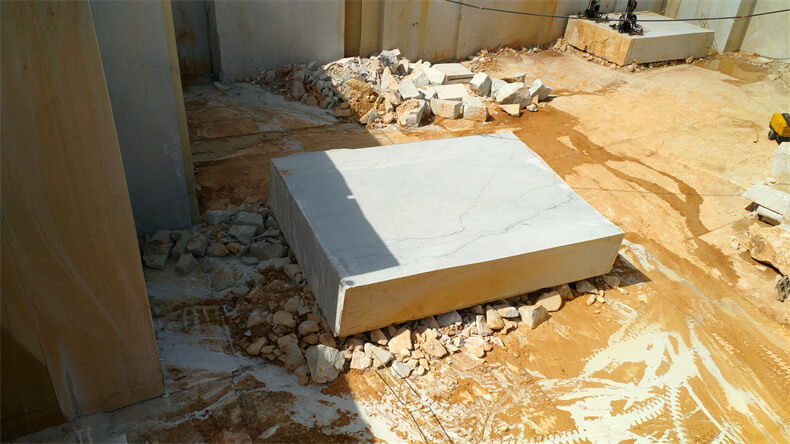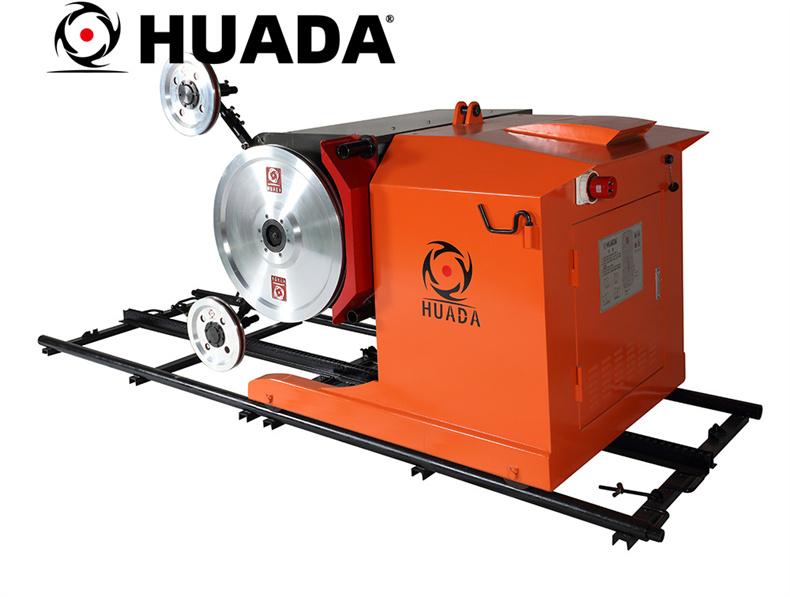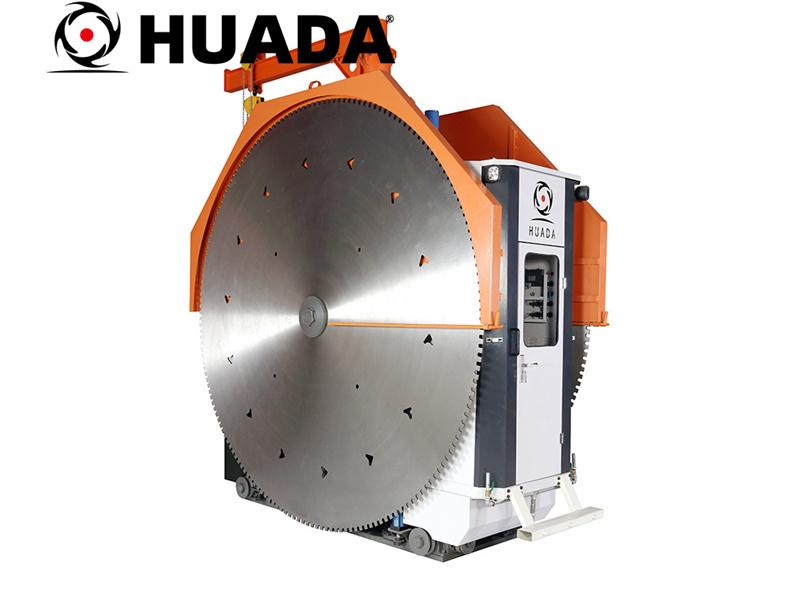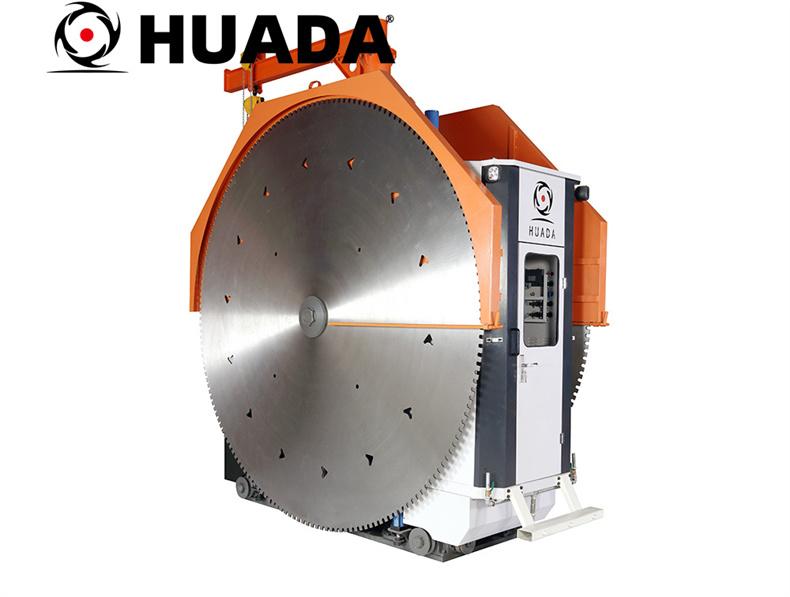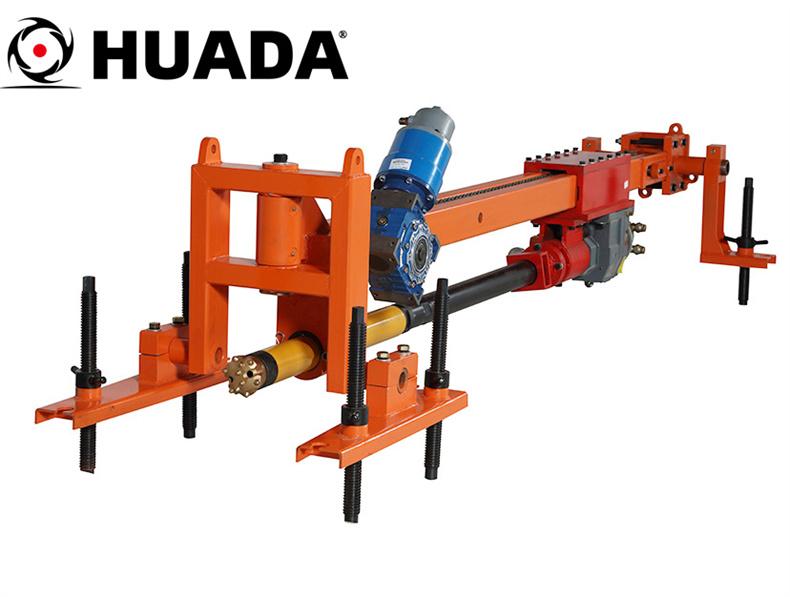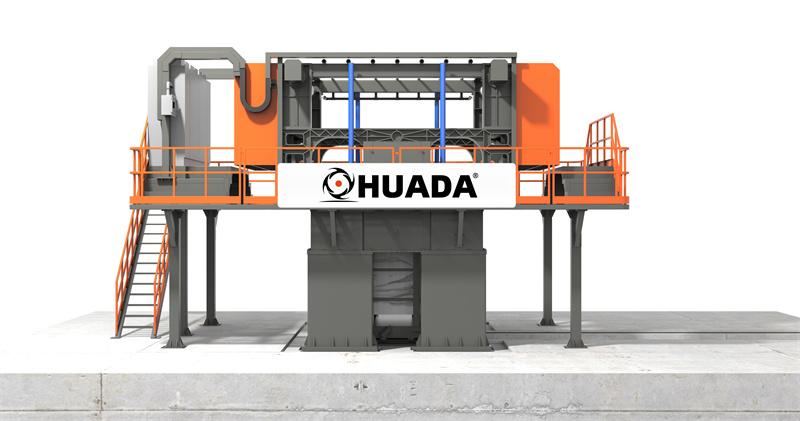

This granite-mining note combines flame cutting, diamond wire sawing, rock drilling and controlled blasting. The sequence changes with the number and position of free surfaces.
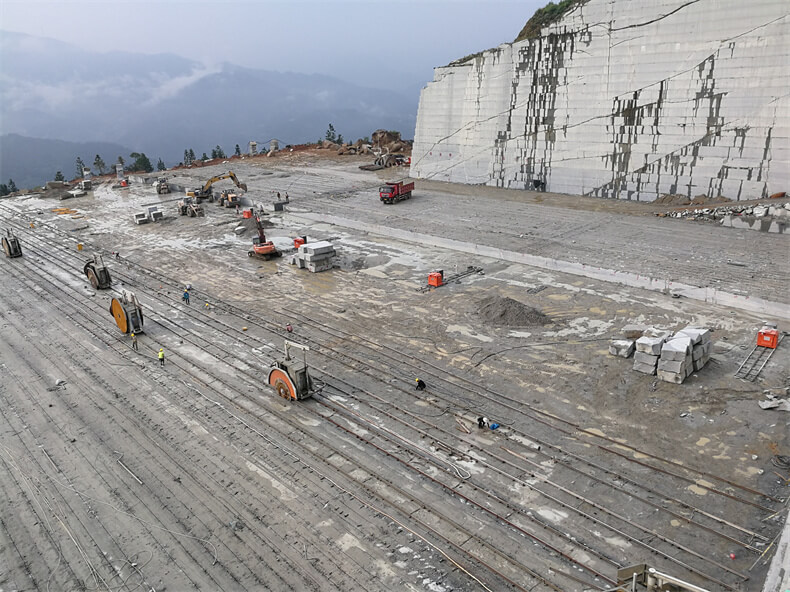
Hillside open pit
For a step with only two free surfaces, the flame-cutting machine opens the trench and cuts the closed back. The wire saw separates the remaining two vertical planes, and single-sided controlled blasting releases the horizontal plane.
Where a long block already has three free surfaces, the source offers two routes. Two vertical sides can be cut by wire saw or flame cutting before the horizontal plane is split, or the wire saw can cut the horizontal plane and one vertical plane before controlled blasting releases the last vertical plane.
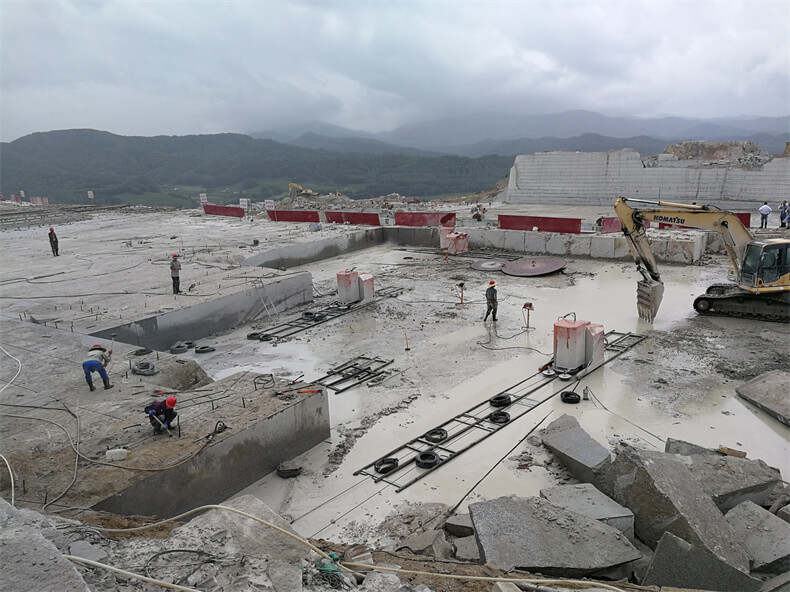
Sunken open pit
When the initial trench starts downward on a horizontal orebody with only one usable free surface, flame cutting separates a vertical plane. The wire saw then uses the flame-cut slit to perform the horizontal bottom “blind cut,” followed by sawing and separation of the other vertical plane.
Where the rock drill fits
The title includes the rock drill, while the body describes single-sided controlled blasting as the separation method on selected planes. It does not give hole diameter, spacing, charge or firing pattern. Those details cannot be reconstructed from this archived overview.
Layout determines the combination
The source says the combined method has been widely used on hillside and sunken open-pit granite mines, but it supplies no named production result. The useful distinction is geometrical: identify existing free surfaces, then assign each remaining plane to flame cutting, wire sawing or a controlled drilled split.