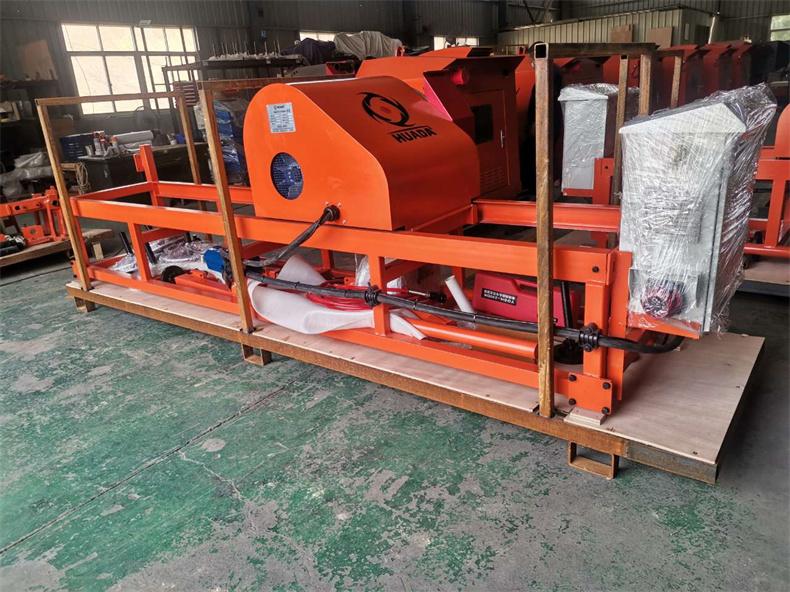

The archived guidance for diamond wire sawing is best read as a short control loop: inspect the equipment before cutting, match the operating inputs to the stone, and maintain the stated water supply while the cut is under way.
Before the cut: establish the wire condition
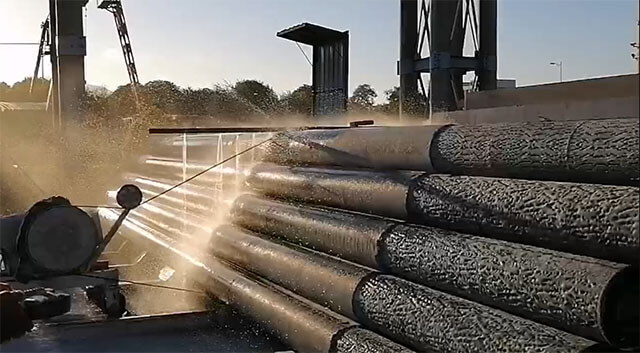
The source names four inspection points: wire cleanliness, visible damage, tension and alignment. Together, they form the pre-cut boundary of this note. Cleanliness is a condition to check, while visible damage is evidence that must be assessed rather than ignored. Tension and alignment belong to the prepared wire path, not to a performance claim.
The archive gives no acceptance limits, adjustment values or complete inspection method. Findings therefore need to be handled with the applicable machine manual, tooling instructions and site risk assessment. This page does not replace those sources.
At start-up: relate the inputs to the stone
Cutting speed, feed rate and pressure are the operating inputs identified in the old article. It says they should be matched to the stone type and hardness. It also advises beginning conservatively and then adjusting, but it supplies no setting, model range or acceptance criterion.
Record the stone and the selected machine and tooling before interpreting that advice. The purpose of the archived sequence is controlled adjustment for the actual cut; it is not evidence that one setting fits different materials or that a stated outcome is guaranteed.
During the cut: keep the stated water function visible
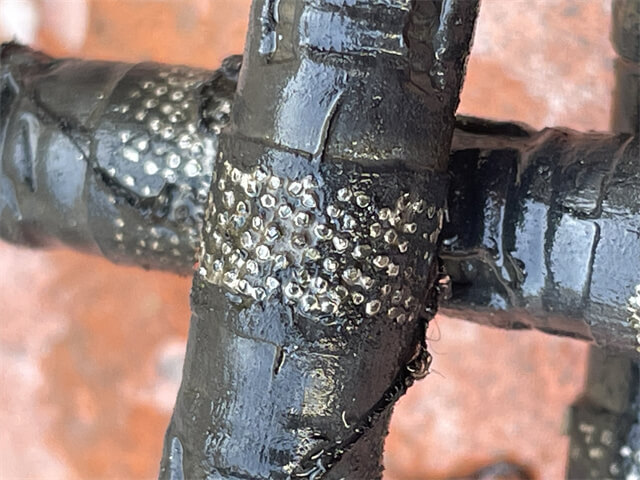
Water is identified as the usual coolant and lubricant in the archived page. Its named functions are removing heat and flushing debris from the cut. Those functions make continuity of the water supply a condition to observe while cutting rather than an optional closing check.
No water-flow value or alternative cooling method is supported by this source. In particular, the archive does not establish air or mist as a generally suitable substitute. Use the current machine and tooling documentation for the required supply and response to an interruption.