Use “Market Analysis of Machine Cut Steel” as a decision brief for a stone cutting equipment: define material, dimensions, access, target output, utilities, tooling, safety controls and service scope, verify tool condition, alignment, feed, cooling, machine settings, work support and operator procedure and retain a representative test, machine configuration, measured result and written acceptance checklist before approval.
Technical context for Market Analysis of Machine Cut Steel
The market for machine cut steel in the stone industry has been experiencing significant growth in recent years. Machine cut steel refers to the process of using advanced machinery to precisely cut and shape steel materials for various applications in the stone sector. This article aims to provide a comprehensive analysis of the market for machine cut steel, including its current trends, challenges, and future prospects.
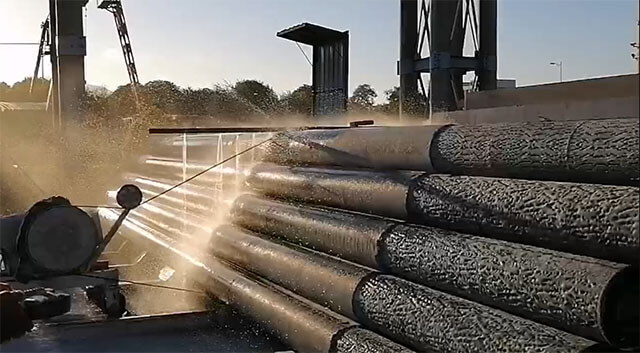
Current Trends
One of the key trends in the machine cut steel market is the increasing demand from the construction sector. As urbanization and infrastructure development projects continue to surge worldwide, the need for high-quality, precision-cut steel has risen considerably. Machine cut steel offers superior strength, durability, and aesthetic appeal, making it a preferred choice for architects, designers, and contractors alike.
Another trend worth noting is the adoption of advanced technologies in the machine cut steel manufacturing process. With the introduction of computer numerical control (CNC) machines, companies can now achieve greater precision, efficiency, and customization in their steel cutting operations. This technology has revolutionized the stone industry by enabling intricate and complex designs in steel, allowing for more creative and innovative applications.
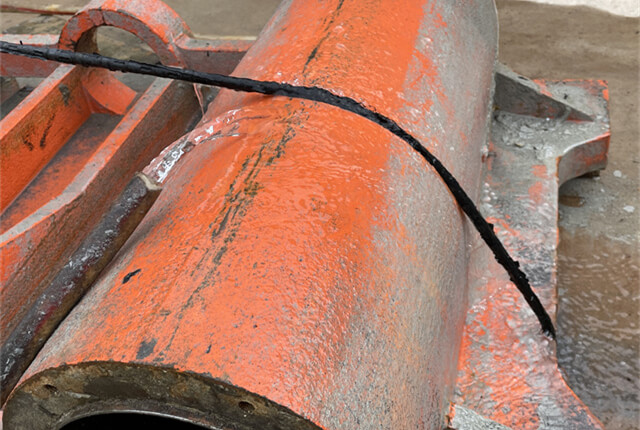
Challenges
Despite the positive outlook, the machine cut steel market is not without its challenges. One of the main obstacles is the rising price of raw materials. Steel prices have been on the rise, impacted by factors such as increased demand, supply chain disruptions, and trade tensions. These escalating costs can significantly impact the profitability of machine cut steel manufacturers, forcing them to explore alternative procurement strategies and cost-saving measures.
Another challenge lies in the environmental impact of the machine cut steel industry. Steel production is known to generate a significant amount of carbon emissions and energy consumption. In response to growing concerns about sustainability, stakeholders in the stone industry are increasingly seeking eco-friendly alternatives. Machine cut steel manufacturers need to address these sustainability concerns by adopting greener practices, such as using recycled materials and optimizing energy usage.

Future Prospects
The future of the machine cut steel market looks promising, fueled by several factors. Firstly, the growth of the stone industry itself is expected to drive the demand for machine cut steel. As more countries invest in infrastructure development and urban beautification projects, the need for high-quality steel components will continue to rise, presenting lucrative opportunities for manufacturers.
Additionally, advancements in technology, such as artificial intelligence and automation, are poised to further revolutionize the machine cut steel industry. These technologies offer enhanced precision, efficiency, and cost-effectiveness, enabling manufacturers to meet the evolving demands of customers and stay competitive in a rapidly changing market.
In conclusion, the machine cut steel market in the stone industry is witnessing significant growth, driven by increasing construction activities and technological advancements. However, challenges related to rising raw material costs and environmental sustainability need to be addressed. With the right strategies and innovations, machine cut steel manufacturers can capitalize on future prospects and continue to thrive in this dynamic market.

Use evidence that can be retained
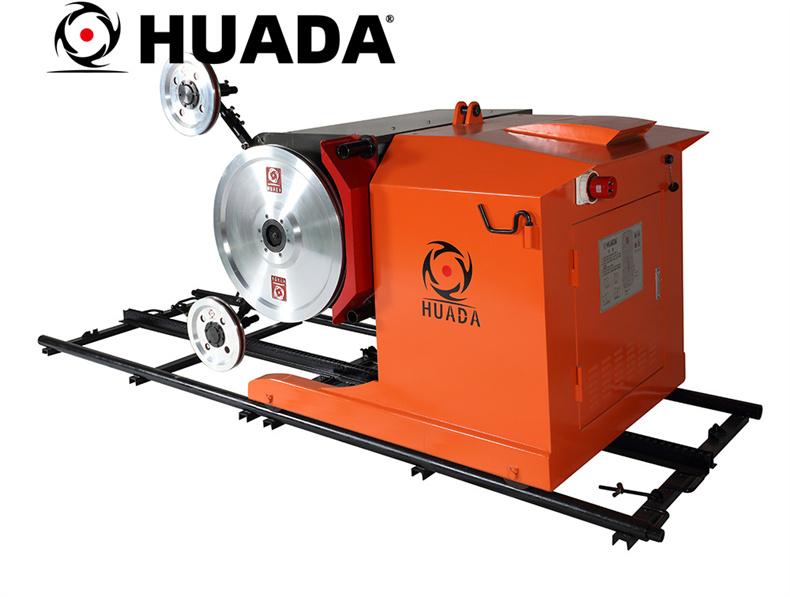
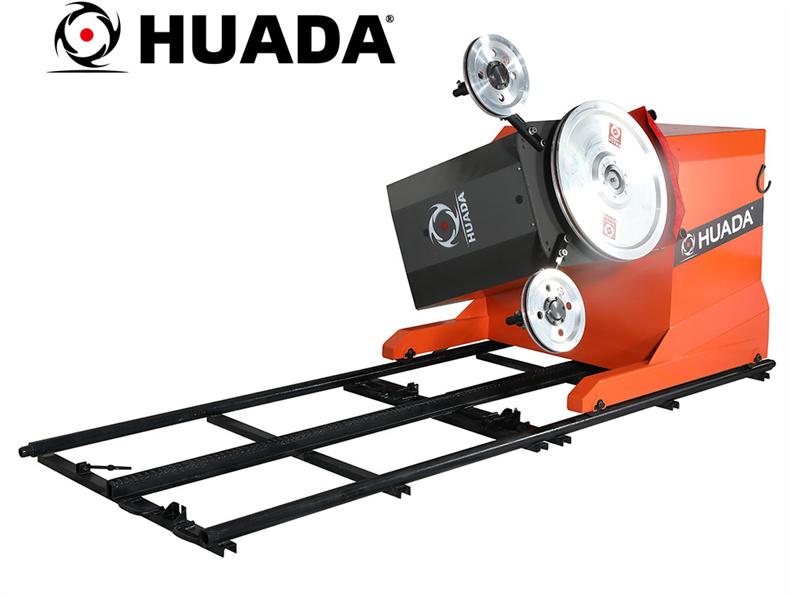
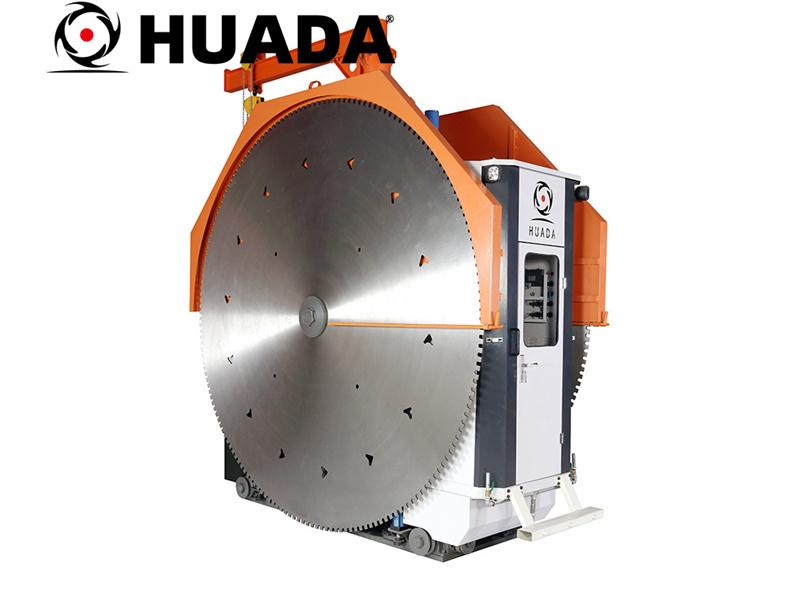
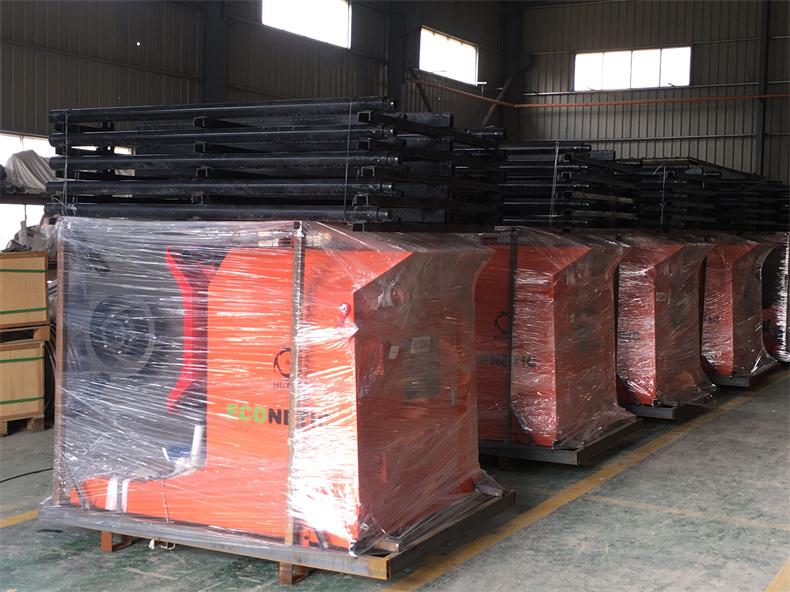
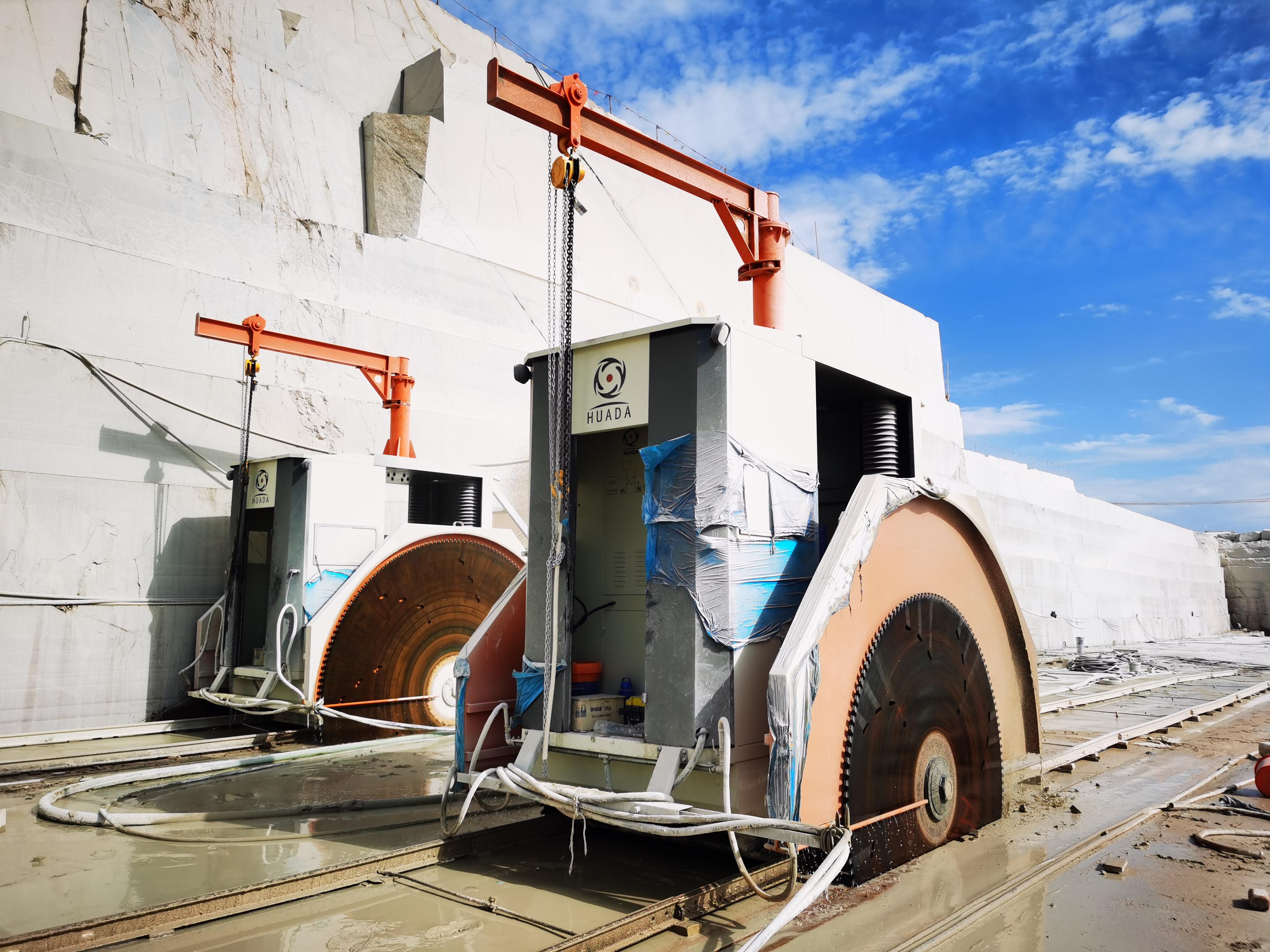
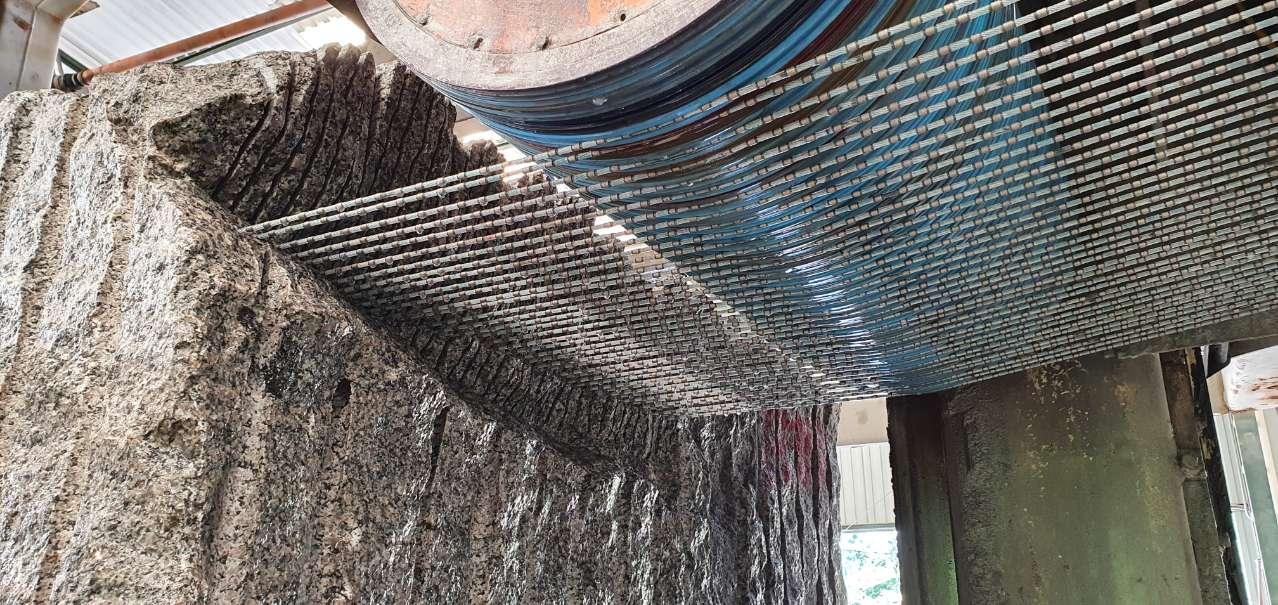
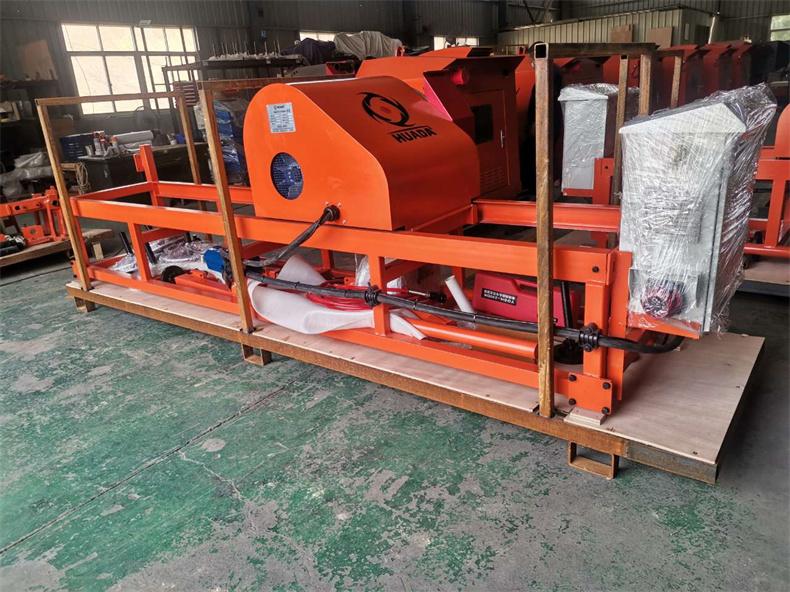
A practical review of “Market Analysis of Machine Cut Steel” should retain a representative test, machine configuration, measured result and written acceptance checklist. Photographs and brochures help identify the offered configuration, but they do not replace a test condition, measured result or signed scope. Record settings for tool condition, alignment, feed, cooling, machine settings, work support and operator procedure so the accepted result can be repeated.
Control the main operating risk
The recurring risk in “Market Analysis of Machine Cut Steel” is comparing one headline specification without defining the material, process and acceptance boundary. Set a stop condition, assign who checks the machine and tool, and keep changes traceable. If the result moves outside the agreed window, investigate the material, alignment, tooling and utilities before adding load or speed.
Define the application before comparing equipment
For “Market Analysis of Machine Cut Steel,” write down material, dimensions, access, target output, utilities, tooling, safety controls and service scope. This separates a real project requirement from a search phrase and gives every supplier the same boundary. The proposed stone cutting equipment can then be checked against the material, site and required result instead of being accepted by name alone.
Decision and acceptance table
| Decision point | What to define | Evidence to keep |
|---|---|---|
| Application | material, dimensions, access, target output, utilities, tooling, safety controls and service scope | Written job or product brief |
| Operating window | tool condition, alignment, feed, cooling, machine settings, work support and operator procedure | Recorded trial settings and observations |
| Acceptance | a representative test, machine configuration, measured result and written acceptance checklist | Signed sample, cut record or inspection note |
| Risk control | comparing one headline specification without defining the material, process and acceptance boundary | Named corrective action and stop condition |
Buyer and operator checklist
- Material and cut or hole dimensions for Market Analysis of Machine Cut Steel
- Offered stone cutting equipment configuration and included tooling
- Power, water, compressed air, access and lifting requirements
- Settings and checks covering tool condition, alignment, feed, cooling, machine settings, work support and operator procedure
- Factory or site acceptance method and responsible people
- Training, critical spares, manuals and service response boundary
Frequently asked questions
What should be confirmed first for Market Analysis of Machine Cut Steel?
For Market Analysis of Machine Cut Steel, start with material, dimensions, access, target output, utilities, tooling, safety controls and service scope. Those inputs determine whether the proposed stone cutting equipment and tool are relevant.
How should performance for Market Analysis of Machine Cut Steel be verified?
For Market Analysis of Machine Cut Steel, use a representative test, machine configuration, measured result and written acceptance checklist. Keep the material, operating conditions and acceptance criteria with the result.
Which settings matter during Market Analysis of Machine Cut Steel?
For Market Analysis of Machine Cut Steel, record tool condition, alignment, feed, cooling, machine settings, work support and operator procedure. A result without its settings is difficult to reproduce or compare.
When should work on Market Analysis of Machine Cut Steel be paused?
For Market Analysis of Machine Cut Steel, pause when the workpiece, support, guarding, utilities or cutting condition is unsafe, or when comparing one headline specification without defining the material, process and acceptance boundary is observed.