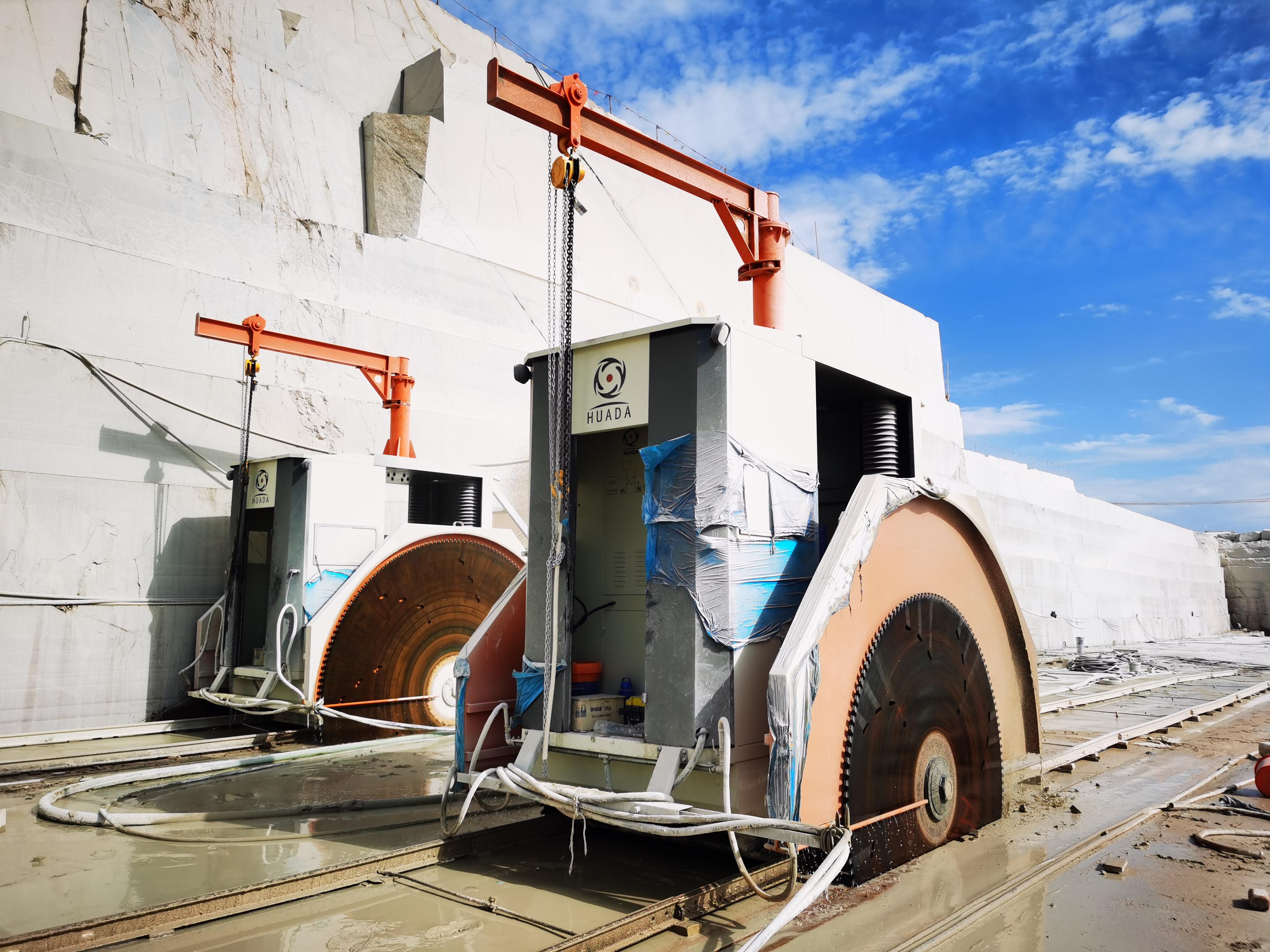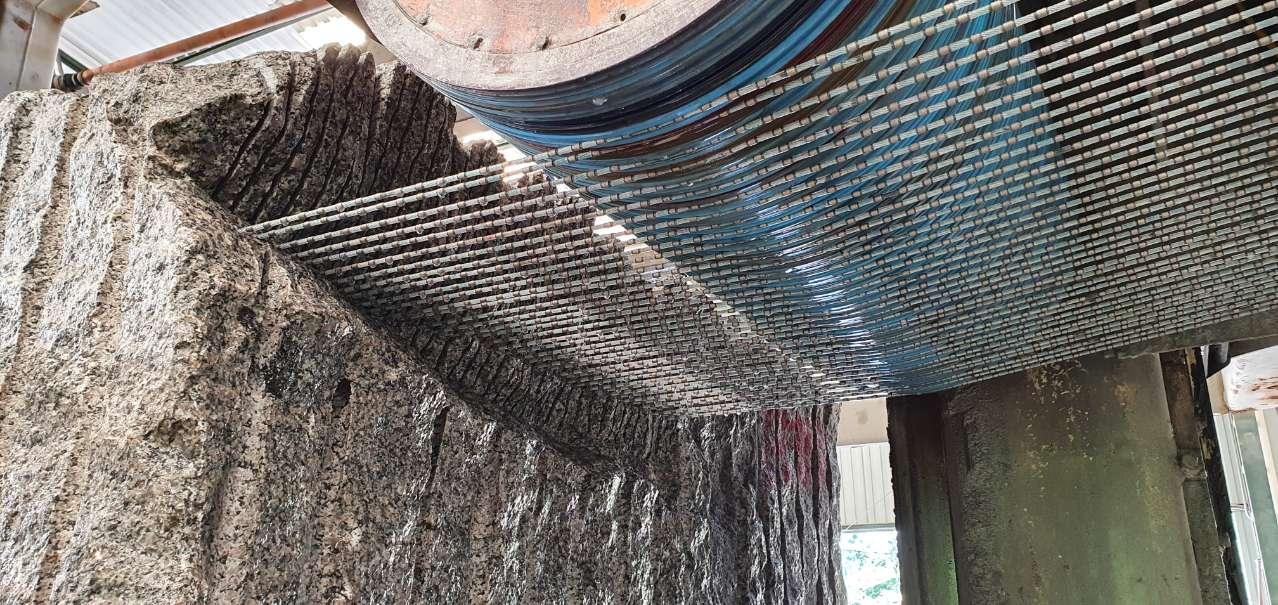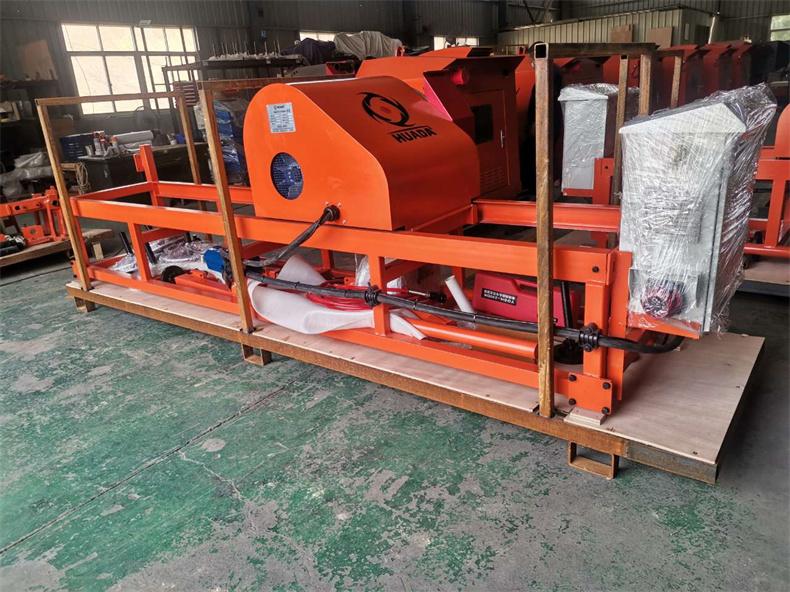
Use “Essential Knowledge about Wire Sawing Concrete Products” as a decision brief for a reinforced concrete cutting equipment: define member dimensions, reinforcement, access, cut sequence, lifting plan, utilities and slurry control, verify tool speed, feed, cooling, anchoring, exclusion zones and the sequence used to release each section and retain a survey, engineered cutting plan, equipment schedule, lifting method and site acceptance record before approval.
Technical context for Essential Knowledge about Wire Sawing Concrete Products
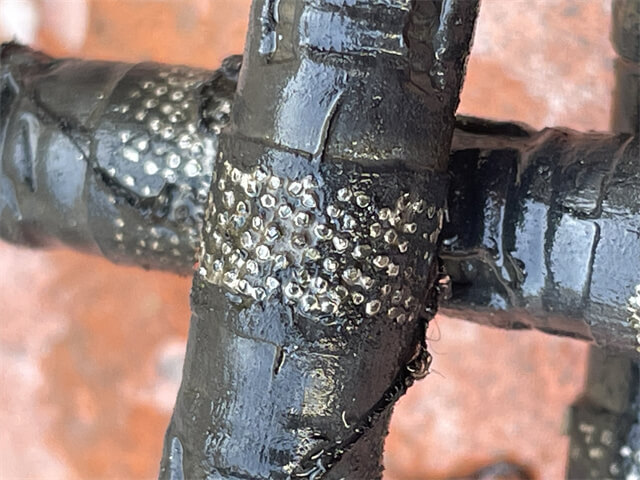
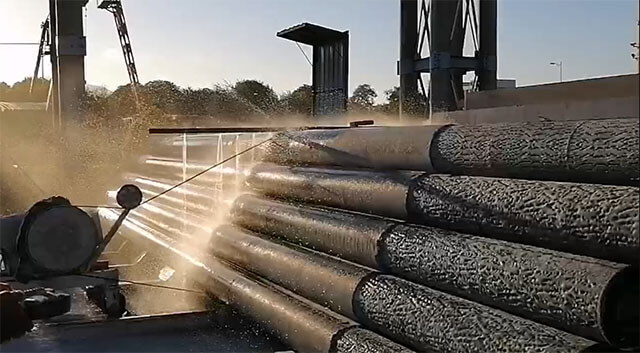
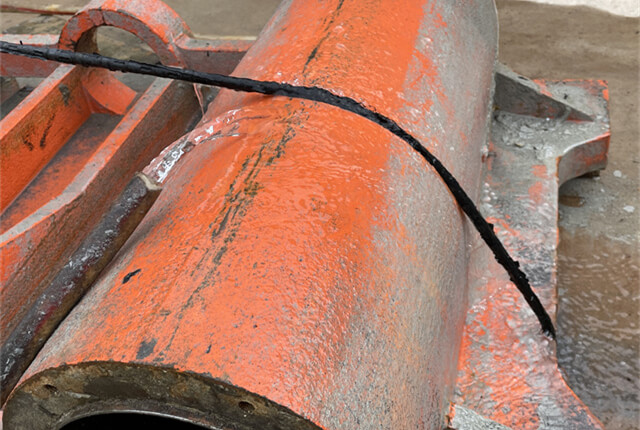
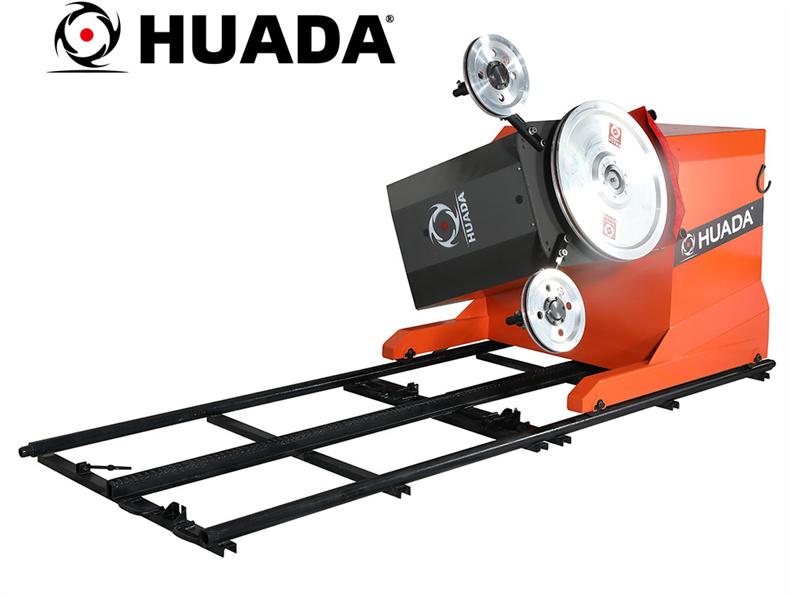
The wire sawing method is widely used in the stone industry for cutting and shaping concrete products. It involves using a wire with diamond beads to cut through the material, offering several advantages over traditional cutting techniques. This article aims to provide essential knowledge about wire sawing concrete products, including its benefits, applications, and considerations.
1. Benefits of Wire Sawing
Wire sawing offers several significant benefits for cutting and shaping concrete products. Firstly, it provides excellent precision and control, allowing for intricate designs and smooth finishes. The wire can easily navigate through curves, corners, and irregular shapes with minimal material wastage.
Secondly, wire sawing is known for its versatility. It can be used for both large-scale industrial projects as well as smaller residential ones. Whether you need to cut slabs, walls, bridges, or pillars, wire sawing can efficiently handle various types and sizes of concrete products.
Another advantage of wire sawing is its ability to cut through reinforced concrete effortlessly. The diamond beads on the wire have strong cutting capabilities, enabling them to slice through steel reinforcements without any issues. This makes wire sawing an ideal choice for projects that involve cutting reinforced concrete.
2. Applications of Wire Sawing
Wire sawing has a wide range of applications in the stone industry and construction sector. One common application is cutting concrete slabs to create openings for doors, windows, or ventilation systems. The precision and flexibility of wire sawing make it perfect for achieving accurate and clean cuts in such scenarios.
Moreover, wire sawing is commonly used for removing damaged or deteriorated concrete structures. This can include cutting and removing old, cracked concrete walls, pillars, or floors for repair or replacement. The efficiency of wire sawing allows for quick and effective removal of damaged sections without causing unnecessary disturbance to the surrounding structures.
Additionally, wire sawing is often utilized in demolition projects for cutting and dismantling large concrete structures like bridges and dams. The versatility and power of wire sawing equipment make it a preferred method for controlled and safe dismantling, ensuring minimal impact on the surrounding environment.
3. Considerations for Wire Sawing
While wire sawing offers numerous benefits, there are certain considerations to keep in mind when using this method. Firstly, it requires skilled operators who are experienced in handling the equipment and ensuring safety during the cutting process. Training and proper supervision are essential to minimize the risk of accidents.
Secondly, the choice of wire and diamond beads is crucial for achieving optimal cutting results. Different types of wires and beads are available, each suited for specific applications and concrete compositions. Consulting with experts or suppliers can help in selecting the right wire and beads for your project.
Lastly, environmental factors such as temperature and humidity can affect the performance and longevity of the wire sawing equipment. Extreme conditions may impact the cutting efficiency and lifespan of the wire and beads. It's important to consider and address these factors to ensure successful wire sawing operations.
In conclusion, wire sawing is a valuable technique in the stone industry and construction sector. Its benefits include precision, versatility, and the ability to cut through reinforced concrete. Wire sawing finds applications in various projects, from creating openings in slabs to demolishing large structures. However, proper training, choosing the right equipment, and considering environmental factors are essential for successful wire sawing operations. Understanding these key aspects of wire sawing provides a solid foundation for utilizing this method effectively in the concrete products industry.
Define the application before comparing equipment
For “Essential Knowledge about Wire Sawing Concrete Products,” write down member dimensions, reinforcement, access, cut sequence, lifting plan, utilities and slurry control. This separates a real project requirement from a search phrase and gives every supplier the same boundary. The proposed reinforced concrete cutting equipment can then be checked against the material, site and required result instead of being accepted by name alone.
Use evidence that can be retained
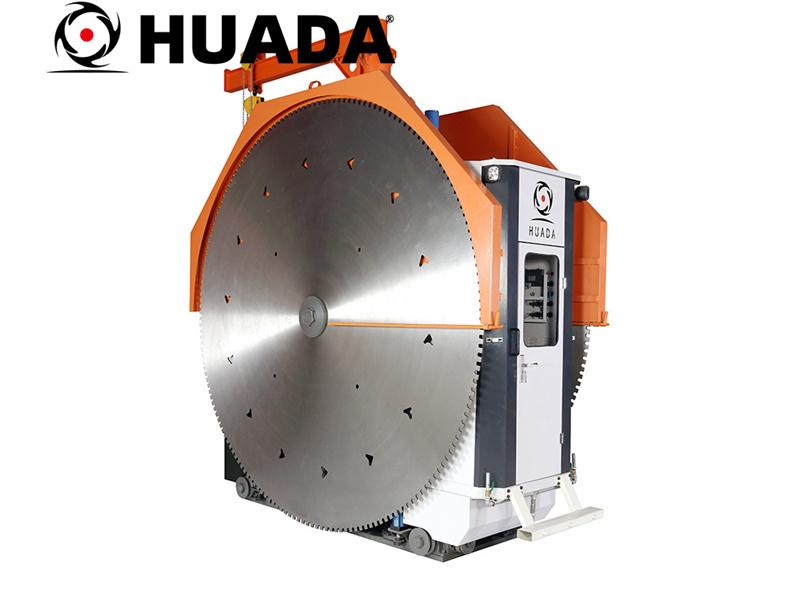
A practical review of “Essential Knowledge about Wire Sawing Concrete Products” should retain a survey, engineered cutting plan, equipment schedule, lifting method and site acceptance record. Photographs and brochures help identify the offered configuration, but they do not replace a test condition, measured result or signed scope. Record settings for tool speed, feed, cooling, anchoring, exclusion zones and the sequence used to release each section so the accepted result can be repeated.
Control the main operating risk
The recurring risk in “Essential Knowledge about Wire Sawing Concrete Products” is starting the cut before services, reinforcement, support, lifting and released-section weight are confirmed. Set a stop condition, assign who checks the machine and tool, and keep changes traceable. If the result moves outside the agreed window, investigate the material, alignment, tooling and utilities before adding load or speed.
Decision and acceptance table
| Decision point | What to define | Evidence to keep |
|---|---|---|
| Application | member dimensions, reinforcement, access, cut sequence, lifting plan, utilities and slurry control | Written job or product brief |
| Operating window | tool speed, feed, cooling, anchoring, exclusion zones and the sequence used to release each section | Recorded trial settings and observations |
| Acceptance | a survey, engineered cutting plan, equipment schedule, lifting method and site acceptance record | Signed sample, cut record or inspection note |
| Risk control | starting the cut before services, reinforcement, support, lifting and released-section weight are confirmed | Named corrective action and stop condition |
Buyer and operator checklist
- Material and cut or hole dimensions for Essential Knowledge about Wire Sawing Concrete Products
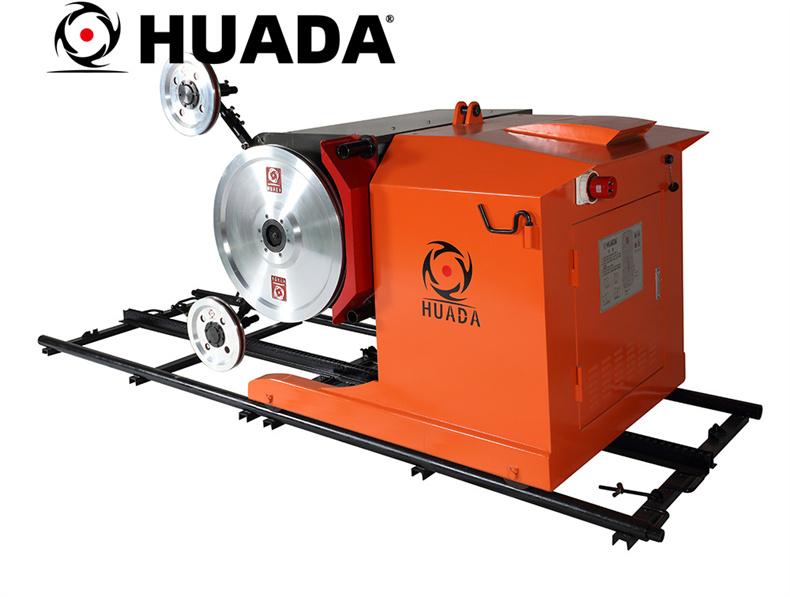
- Offered reinforced concrete cutting equipment configuration and included tooling
- Power, water, compressed air, access and lifting requirements
- Settings and checks covering tool speed, feed, cooling, anchoring, exclusion zones and the sequence used to release each section
- Factory or site acceptance method and responsible people
- Training, critical spares, manuals and service response boundary
Frequently asked questions
What should be confirmed first for Essential Knowledge about Wire Sawing Concrete Products?
For Essential Knowledge about Wire Sawing Concrete Products, start with member dimensions, reinforcement, access, cut sequence, lifting plan, utilities and slurry control. Those inputs determine whether the proposed reinforced concrete cutting equipment and tool are relevant.
How should performance for Essential Knowledge about Wire Sawing Concrete Products be verified?
For Essential Knowledge about Wire Sawing Concrete Products, use a survey, engineered cutting plan, equipment schedule, lifting method and site acceptance record. Keep the material, operating conditions and acceptance criteria with the result.
Which settings matter during Essential Knowledge about Wire Sawing Concrete Products?
For Essential Knowledge about Wire Sawing Concrete Products, record tool speed, feed, cooling, anchoring, exclusion zones and the sequence used to release each section. A result without its settings is difficult to reproduce or compare.
When should work on Essential Knowledge about Wire Sawing Concrete Products be paused?
For Essential Knowledge about Wire Sawing Concrete Products, pause when the workpiece, support, guarding, utilities or cutting condition is unsafe, or when starting the cut before services, reinforcement, support, lifting and released-section weight are confirmed is observed.