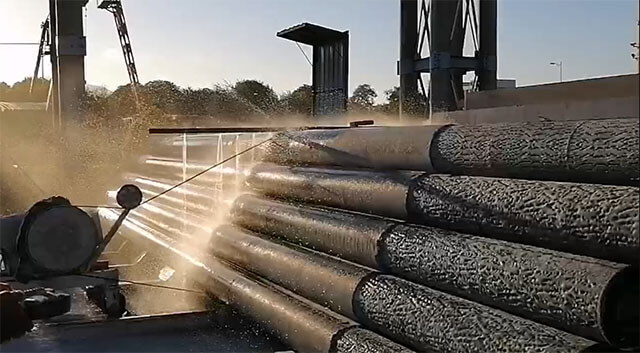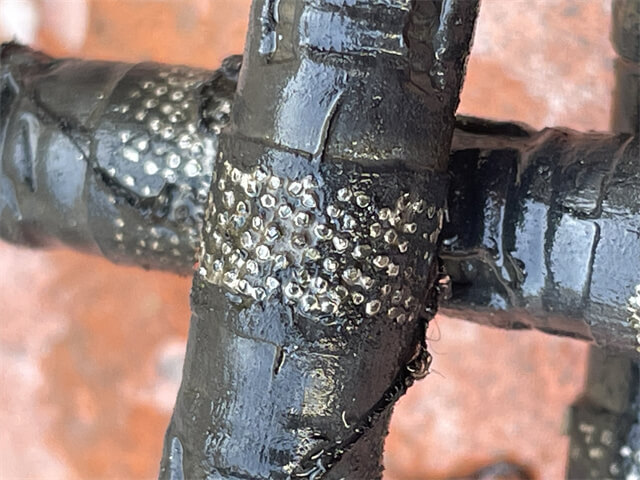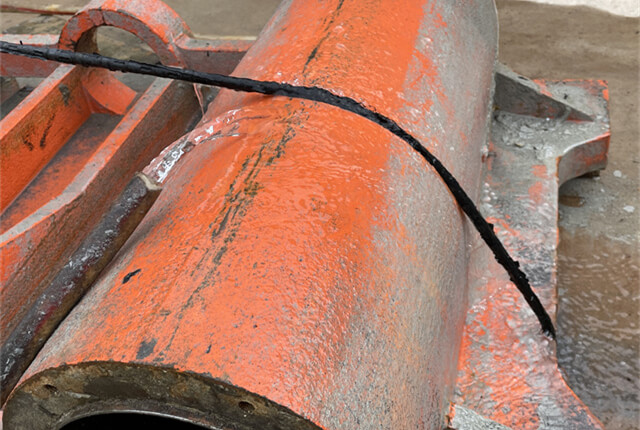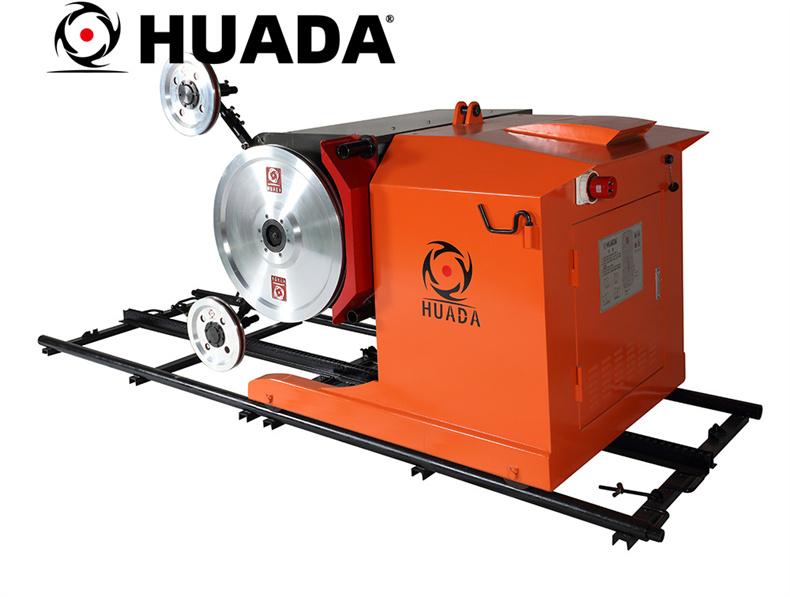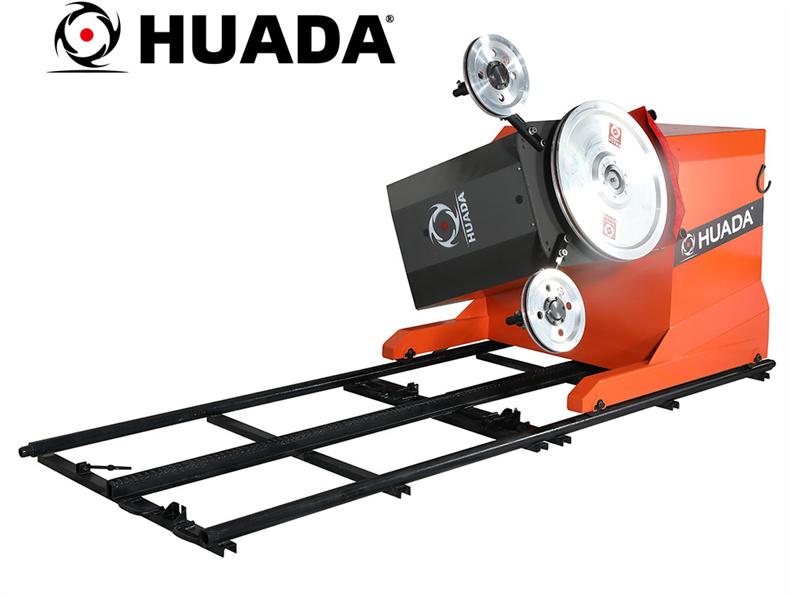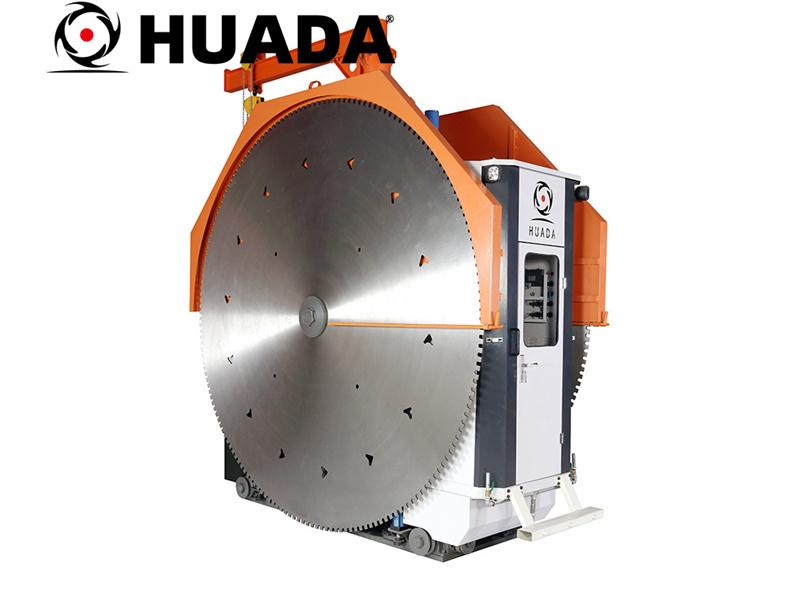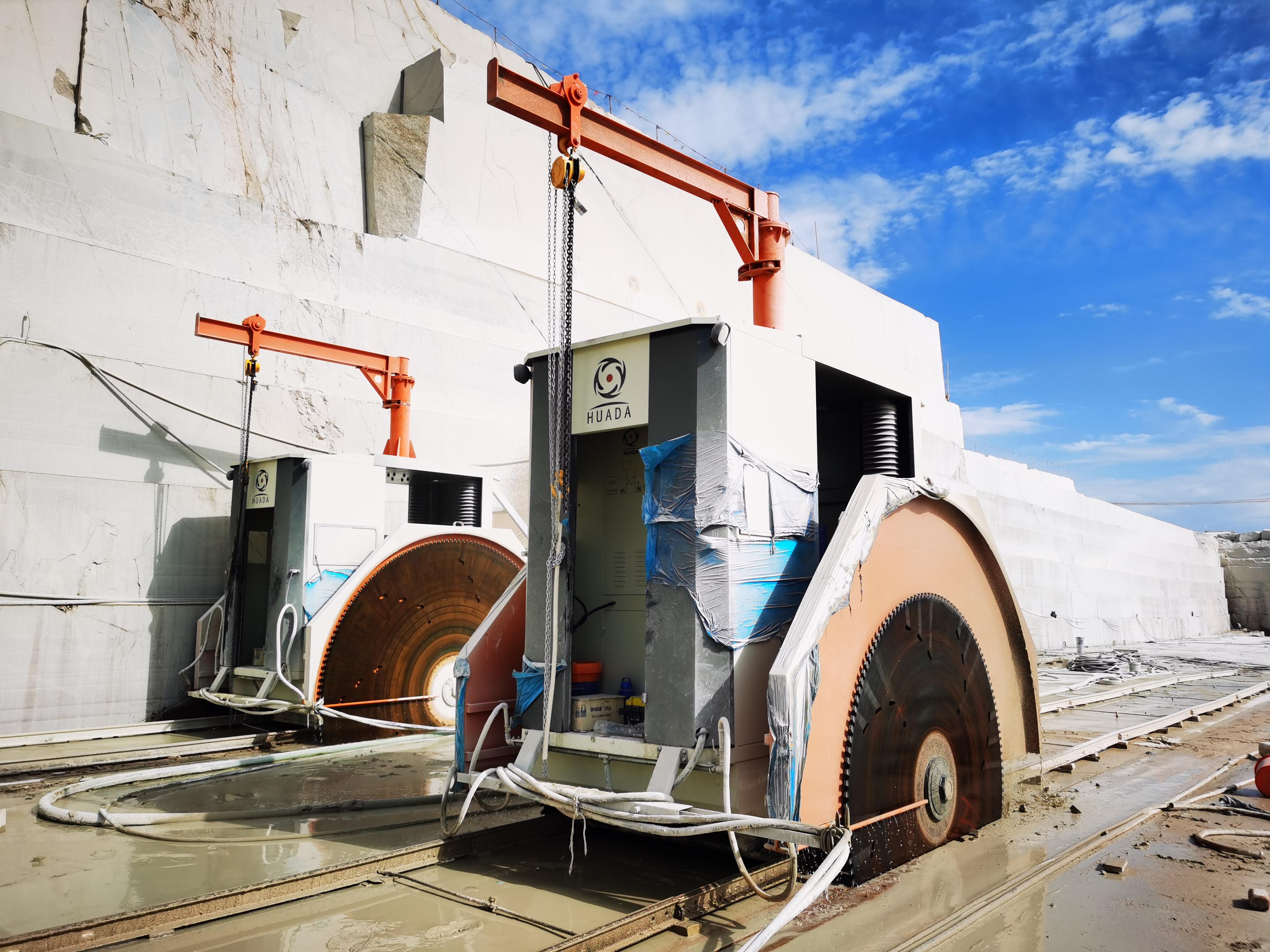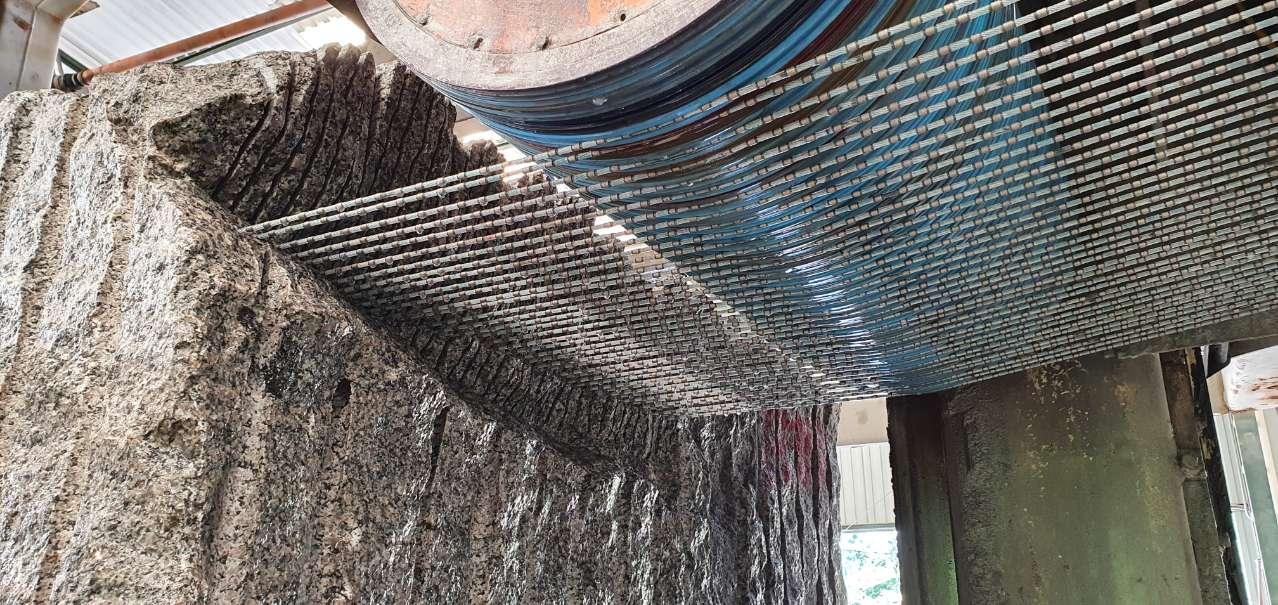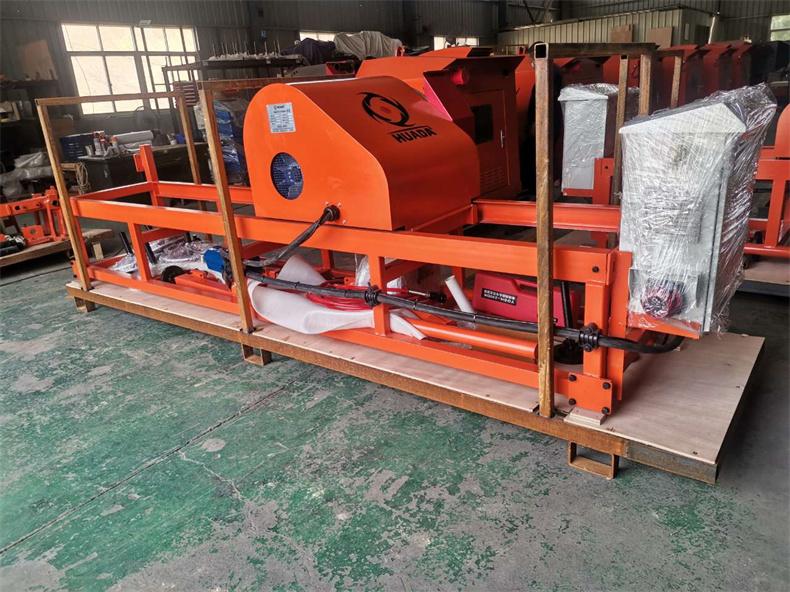
Use “Essential Knowledge about Machine Cut Steel Products” as a decision brief for a stone cutting equipment: define material, dimensions, access, target output, utilities, tooling, safety controls and service scope, verify tool condition, alignment, feed, cooling, machine settings, work support and operator procedure and retain a representative test, machine configuration, measured result and written acceptance checklist before approval.
Technical context for Essential Knowledge about Machine Cut Steel Products
Introduction:
Machine cut steel products play a crucial role in the stone industry. They are widely used in construction, architecture, and interior design for their durability, versatility, and aesthetic appeal. This article aims to provide essential knowledge about machine cut steel products, including their types, applications, and advantages.
Types of Machine Cut Steel Products
There are various types of machine cut steel products available in the market. The most common ones include:
1. Steel Tiles: These are thin slabs of steel used for flooring or wall cladding. They come in different shapes, sizes, and finishes to suit different design preferences.
2. Steel Countertops: Steel countertops are popular in kitchens and bathrooms due to their resistance to moisture, heat, and stains. They provide a modern and sleek look to any space.
3. Steel Sculptures: Steel sculptures are artistic pieces made using machine cut steel. They can range from small decorative items to large-scale outdoor installations.
4. Steel Pavers: Steel pavers are used for outdoor landscaping. They are durable, weather-resistant, and easy to maintain, making them ideal for driveways, walkways, and patios.
Applications of Machine Cut Steel Products
Machine cut steel products find wide-ranging applications in different industries:
1. Construction: Steel tiles and countertops are commonly used in building facades, floors, and walls due to their durability and resistance to wear and tear.
2. Architecture: Steel is often used by architects to create unique and contemporary designs. Its versatility allows for intricate and eye-catching structures.
3. Interior Design: Steel features, such as countertops, sculptures, and wall panels, add a touch of elegance and sophistication to interior spaces. They can be combined with other materials for a harmonious design.
Advantages of Machine Cut Steel Products
Machine cut steel products offer several advantages over other materials:
1. Durability: Steel is known for its strength and longevity. It can withstand heavy loads, extreme temperatures, and harsh weather conditions without losing its structural integrity.
2. Versatility: Steel can be shaped into various forms, making it suitable for different applications. It can be cut, welded, and molded to create intricate designs and structures.
3. Low Maintenance: Steel requires minimal maintenance compared to other materials. It is resistant to stains, scratches, and corrosion, reducing the need for frequent repairs or replacements.
4. Aesthetic Appeal: Machine cut steel products exude a sleek and modern look that enhances the visual appeal of any space. Its reflective surface adds depth and dimension to the surroundings.
Conclusion:
Machine cut steel products have revolutionized the stone industry with their durability, versatility, and aesthetic appeal. From steel tiles and countertops to sculptures and pavers, these products find extensive applications in construction, architecture, and interior design. Their advantages, such as durability, versatility, low maintenance, and aesthetic appeal, make them a preferred choice for professionals in the industry. By understanding the types, applications, and advantages of machine cut steel products, one can make informed decisions and create stunning designs in various projects.
Use evidence that can be retained
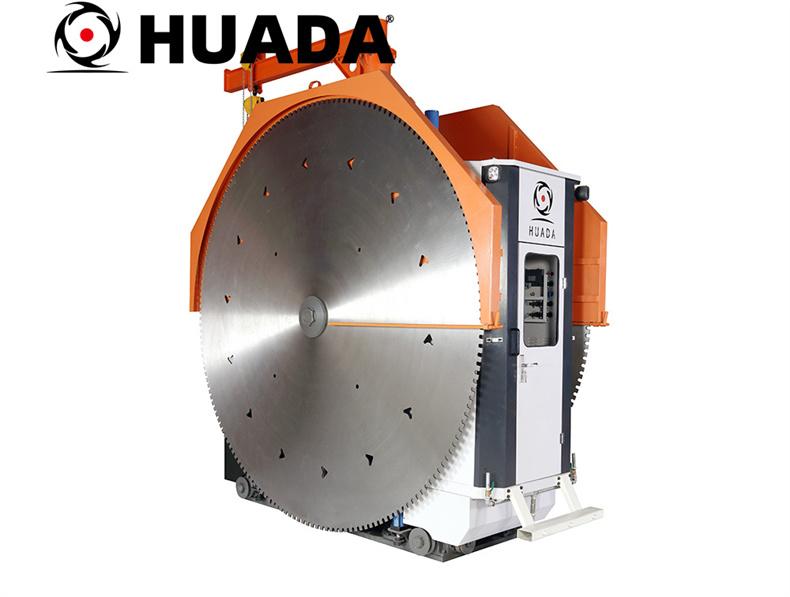
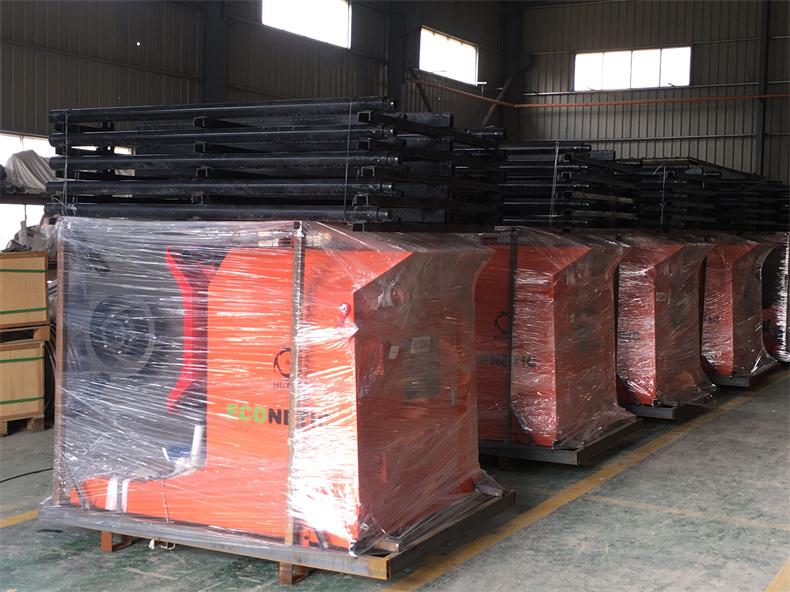
A practical review of “Essential Knowledge about Machine Cut Steel Products” should retain a representative test, machine configuration, measured result and written acceptance checklist. Photographs and brochures help identify the offered configuration, but they do not replace a test condition, measured result or signed scope. Record settings for tool condition, alignment, feed, cooling, machine settings, work support and operator procedure so the accepted result can be repeated.
Control the main operating risk
The recurring risk in “Essential Knowledge about Machine Cut Steel Products” is comparing one headline specification without defining the material, process and acceptance boundary. Set a stop condition, assign who checks the machine and tool, and keep changes traceable. If the result moves outside the agreed window, investigate the material, alignment, tooling and utilities before adding load or speed.
Define the application before comparing equipment
For “Essential Knowledge about Machine Cut Steel Products,” write down material, dimensions, access, target output, utilities, tooling, safety controls and service scope. This separates a real project requirement from a search phrase and gives every supplier the same boundary. The proposed stone cutting equipment can then be checked against the material, site and required result instead of being accepted by name alone.
Decision and acceptance table
| Decision point | What to define | Evidence to keep |
|---|---|---|
| Application | material, dimensions, access, target output, utilities, tooling, safety controls and service scope | Written job or product brief |
| Operating window | tool condition, alignment, feed, cooling, machine settings, work support and operator procedure | Recorded trial settings and observations |
| Acceptance | a representative test, machine configuration, measured result and written acceptance checklist | Signed sample, cut record or inspection note |
| Risk control | comparing one headline specification without defining the material, process and acceptance boundary | Named corrective action and stop condition |
Buyer and operator checklist
- Material and cut or hole dimensions for Essential Knowledge about Machine Cut Steel Products
- Offered stone cutting equipment configuration and included tooling
- Power, water, compressed air, access and lifting requirements
- Settings and checks covering tool condition, alignment, feed, cooling, machine settings, work support and operator procedure
- Factory or site acceptance method and responsible people
- Training, critical spares, manuals and service response boundary
Frequently asked questions
What should be confirmed first for Essential Knowledge about Machine Cut Steel Products?
For Essential Knowledge about Machine Cut Steel Products, start with material, dimensions, access, target output, utilities, tooling, safety controls and service scope. Those inputs determine whether the proposed stone cutting equipment and tool are relevant.
How should performance for Essential Knowledge about Machine Cut Steel Products be verified?
For Essential Knowledge about Machine Cut Steel Products, use a representative test, machine configuration, measured result and written acceptance checklist. Keep the material, operating conditions and acceptance criteria with the result.
Which settings matter during Essential Knowledge about Machine Cut Steel Products?
For Essential Knowledge about Machine Cut Steel Products, record tool condition, alignment, feed, cooling, machine settings, work support and operator procedure. A result without its settings is difficult to reproduce or compare.
When should work on Essential Knowledge about Machine Cut Steel Products be paused?
For Essential Knowledge about Machine Cut Steel Products, pause when the workpiece, support, guarding, utilities or cutting condition is unsafe, or when comparing one headline specification without defining the material, process and acceptance boundary is observed.