YOUR POSITION:HOME > Blog >

Essential Knowledge about Concrete Saw for Professionals

Author:Huada Quarrying Machine FROM:Stone quarry machine manufacturer TIME:2026-08-21

MENU
    Practical decision guide

    Use “Essential Knowledge about Concrete Saw for Professionals” as a decision brief for a reinforced concrete cutting equipment: define member dimensions, reinforcement, access, cut sequence, lifting plan, utilities and slurry control, verify tool speed, feed, cooling, anchoring, exclusion zones and the sequence used to release each section and retain a survey, engineered cutting plan, equipment schedule, lifting method and site acceptance record before approval.

    Equipment familyreinforced concrete cutting equipment
    Confirmmember dimensions, reinforcement, access, cut sequence, lifting plan, utilities and slurry control
    Retaina survey, engineered cutting plan, equipment schedule, lifting method and site acceptance record

    Technical context for Essential Knowledge about Concrete Saw for Professionals

    Concrete saws are essential tools in the stone industry and are widely used by professionals for various cutting tasks. Whether it's for construction, remodeling, or any other project that involves working with concrete, having a good understanding of concrete saws is crucial. This article aims to provide professionals in the stone industry with essential knowledge about concrete saws, from their types and components to their proper usage and maintenance.

    Types of Concrete Saws

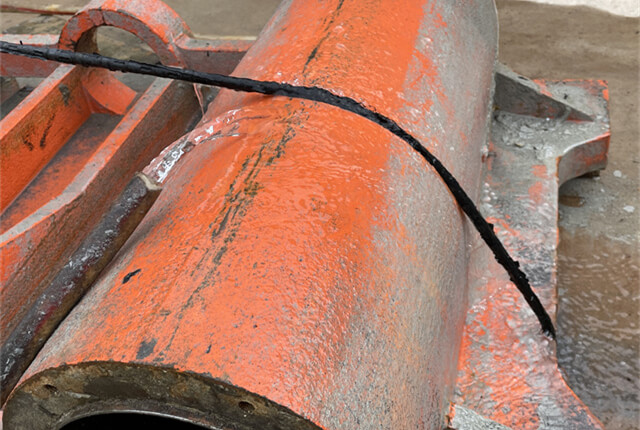
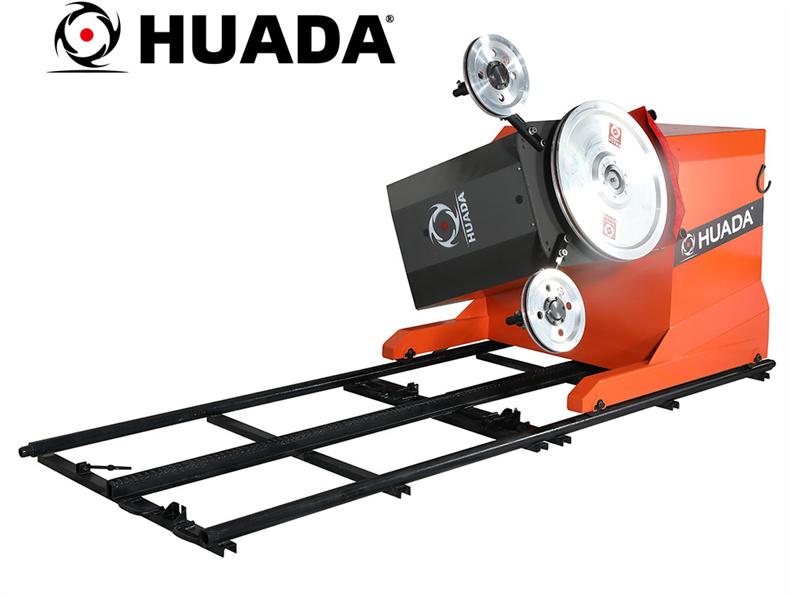
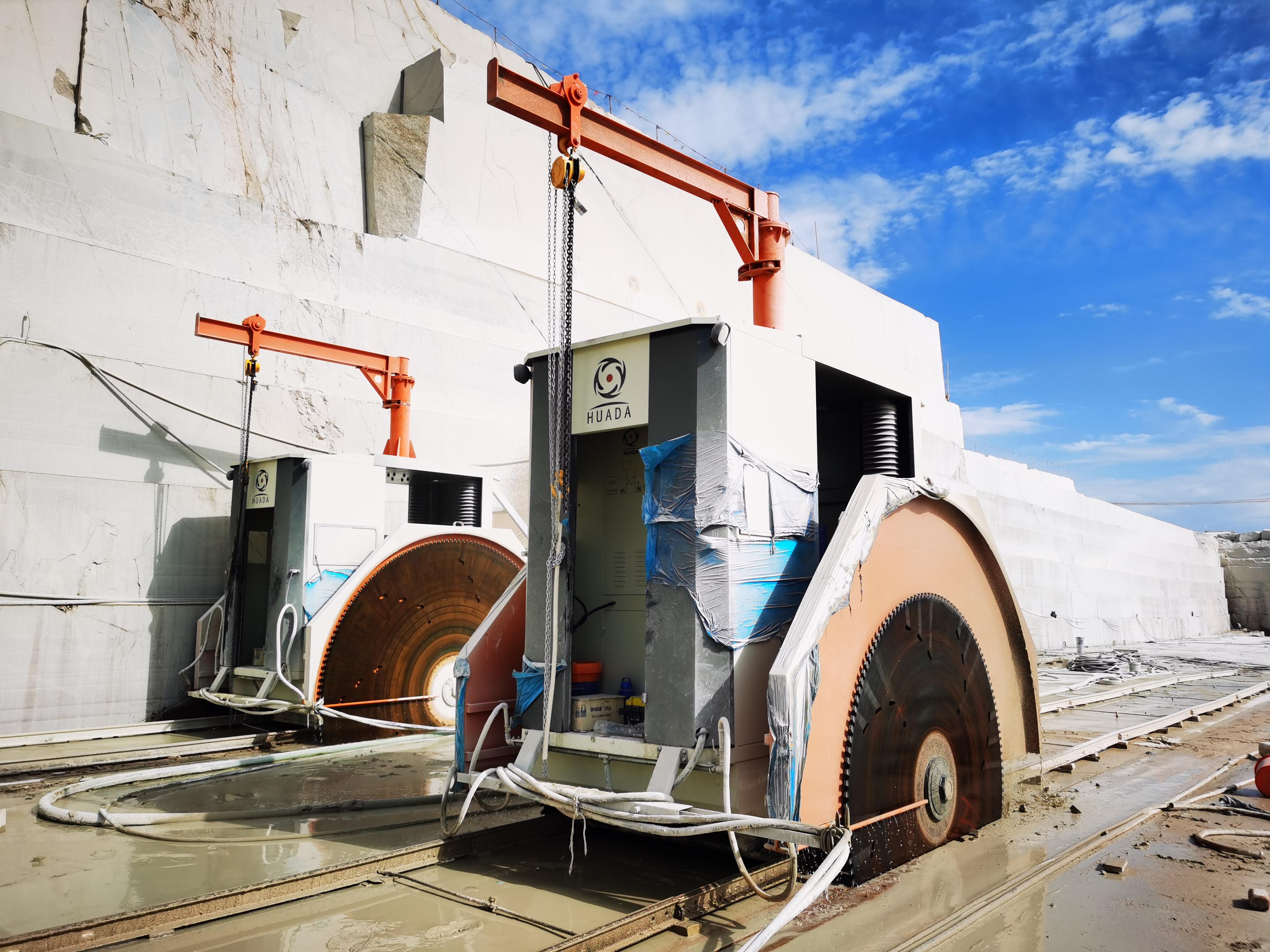
    wire saw to cut metal.jpg

    Concrete saws come in various types, each designed for specific cutting purposes. The most common types include handheld saws, walk-behind saws, and wall-mount saws. Handheld saws, as the name suggests, are portable and ideal for small projects and intricate cuts. Walk-behind saws are larger and more powerful, suitable for cutting larger surfaces and pavements. Wall-mount saws, on the other hand, are used for vertical cutting applications such as creating openings in walls. It is important for professionals to choose the right type of concrete saw based on their specific needs and the nature of the project.

    Components of Concrete Saws

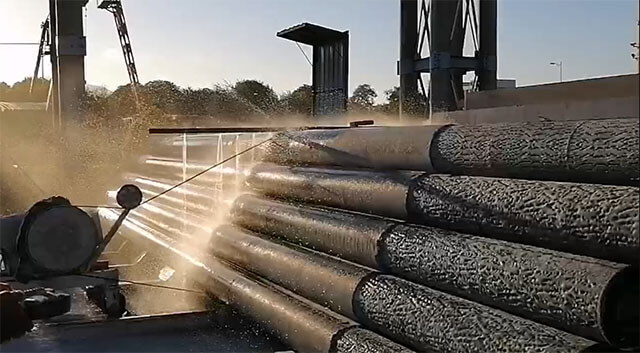
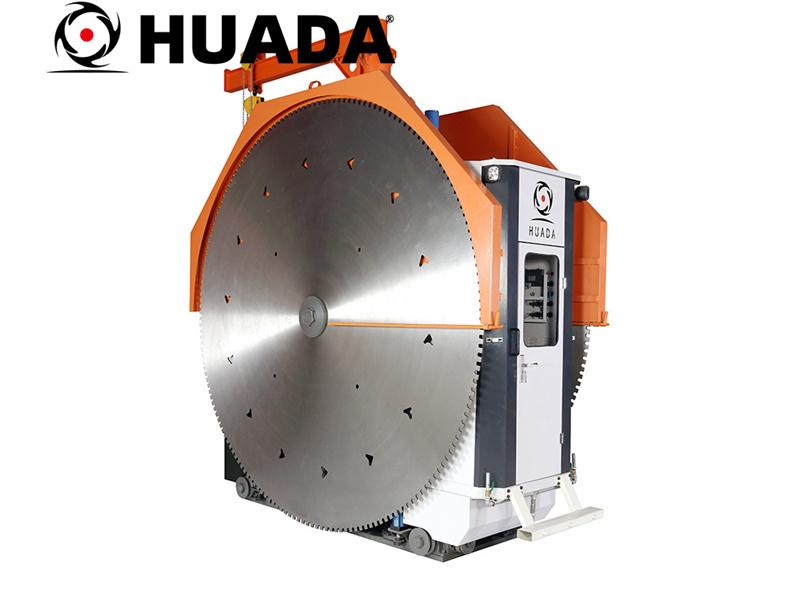
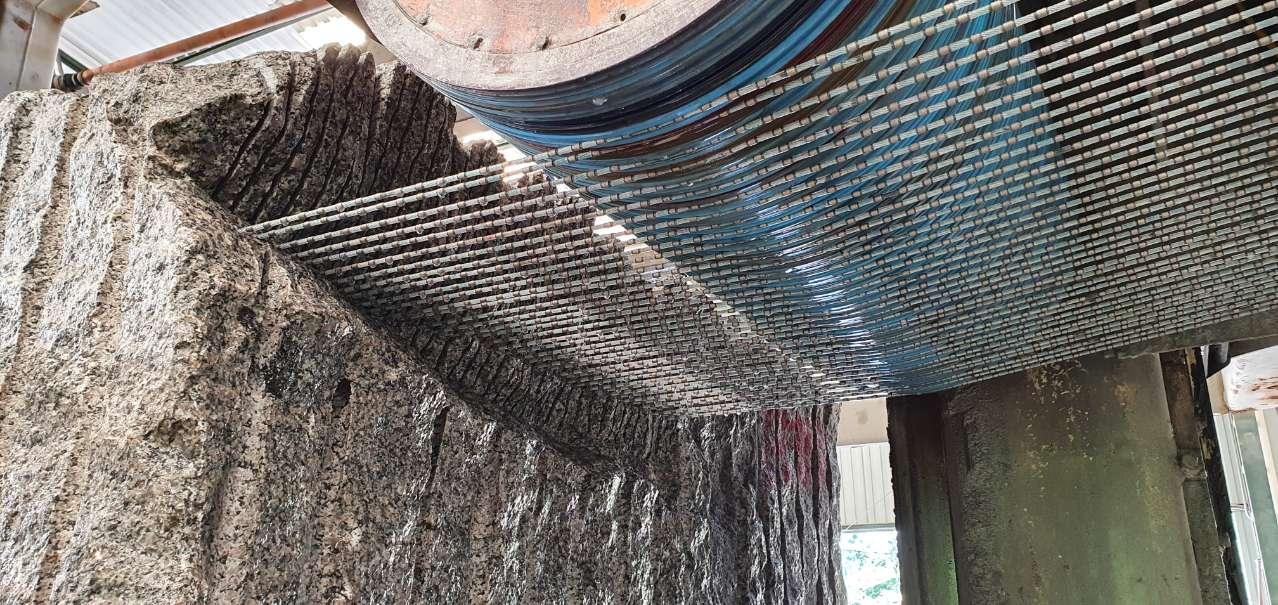
    concrete cutting diamond wire saw.jpg

    Understanding the components of a concrete saw is essential for professionals to effectively and safely operate the equipment. A typical concrete saw consists of several key components, including the engine, blade guard, handle, cutting depth adjustment, and water supply system. The engine is responsible for powering the saw and should be chosen based on the workload requirements. The blade guard protects the user from the rotating blade and should always be in place during operation. The handle provides stability and control, allowing the operator to maneuver the saw accurately. The cutting depth adjustment allows for precise cutting depths, and the water supply system helps to reduce dust and cool the blade during cutting.

    Proper Usage and Maintenance

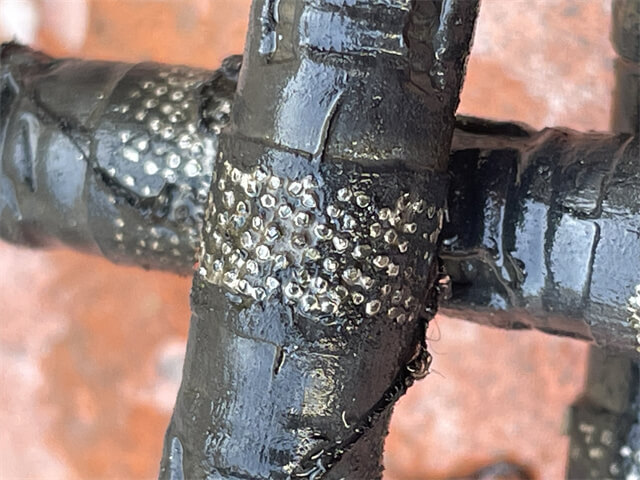
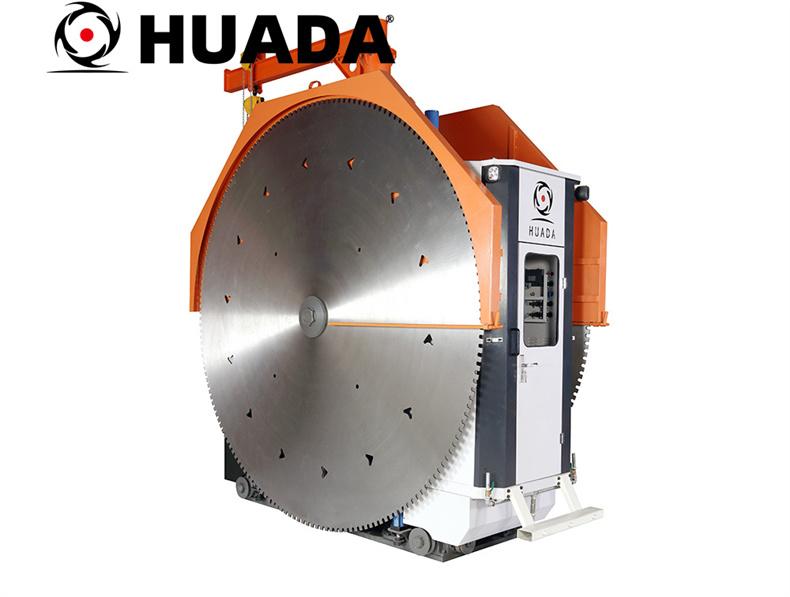
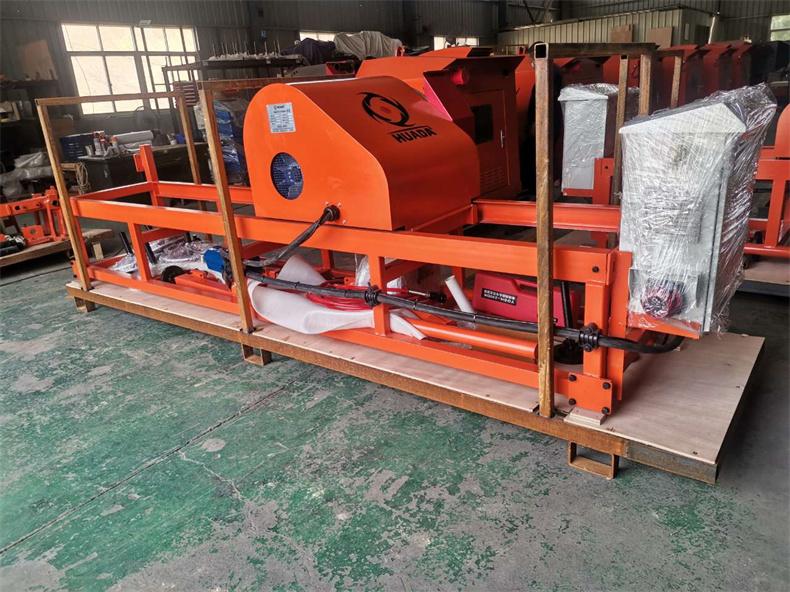
    steel cutting wire.jpg

    Proper usage and maintenance of concrete saws are vital for ensuring their longevity and efficient operation. Before using a concrete saw, professionals should always read the manufacturer's instructions and follow all safety precautions. It is crucial to wear appropriate personal protective equipment, such as safety goggles, ear protection, and gloves. When operating the saw, the blade should be properly aligned and positioned to achieve the desired cutting angle. Regular maintenance, including cleaning, lubrication, and blade replacement, is necessary to keep the saw in optimal condition. Professionals should also regularly inspect the saw for any signs of damage or wear and address them promptly to avoid accidents and ensure the saw's performance.

    In conclusion, 

    concrete saws are indispensable tools in the stone industry, and professionals must have essential knowledge about their types, components, proper usage, and maintenance. By understanding these key aspects, professionals can select the right type of concrete saw, operate it safely and efficiently, and prolong its lifespan. With the proper knowledge and skills, professionals in the stone industry can enhance their productivity, achieve precise cuts, and deliver high-quality results in their projects.

    Define the application before comparing equipment

    For “Essential Knowledge about Concrete Saw for Professionals,” write down member dimensions, reinforcement, access, cut sequence, lifting plan, utilities and slurry control. This separates a real project requirement from a search phrase and gives every supplier the same boundary. The proposed reinforced concrete cutting equipment can then be checked against the material, site and required result instead of being accepted by name alone.

    Use evidence that can be retained

    A practical review of “Essential Knowledge about Concrete Saw for Professionals” should retain a survey, engineered cutting plan, equipment schedule, lifting method and site acceptance record. Photographs and brochures help identify the offered configuration, but they do not replace a test condition, measured result or signed scope. Record settings for tool speed, feed, cooling, anchoring, exclusion zones and the sequence used to release each section so the accepted result can be repeated.

    Control the main operating risk

    The recurring risk in “Essential Knowledge about Concrete Saw for Professionals” is starting the cut before services, reinforcement, support, lifting and released-section weight are confirmed. Set a stop condition, assign who checks the machine and tool, and keep changes traceable. If the result moves outside the agreed window, investigate the material, alignment, tooling and utilities before adding load or speed.

    Decision and acceptance table

    Decision pointWhat to defineEvidence to keep
    Applicationmember dimensions, reinforcement, access, cut sequence, lifting plan, utilities and slurry controlWritten job or product brief
    Operating windowtool speed, feed, cooling, anchoring, exclusion zones and the sequence used to release each sectionRecorded trial settings and observations
    Acceptancea survey, engineered cutting plan, equipment schedule, lifting method and site acceptance recordSigned sample, cut record or inspection note
    Risk controlstarting the cut before services, reinforcement, support, lifting and released-section weight are confirmedNamed corrective action and stop condition

    Buyer and operator checklist

    • Material and cut or hole dimensions for Essential Knowledge about Concrete Saw for Professionals
    • Offered reinforced concrete cutting equipment configuration and included tooling
    • Power, water, compressed air, access and lifting requirements
    • Settings and checks covering tool speed, feed, cooling, anchoring, exclusion zones and the sequence used to release each section
    • Factory or site acceptance method and responsible people
    • Training, critical spares, manuals and service response boundary

    Frequently asked questions

    What should be confirmed first for Essential Knowledge about Concrete Saw for Professionals?

    For Essential Knowledge about Concrete Saw for Professionals, start with member dimensions, reinforcement, access, cut sequence, lifting plan, utilities and slurry control. Those inputs determine whether the proposed reinforced concrete cutting equipment and tool are relevant.

    How should performance for Essential Knowledge about Concrete Saw for Professionals be verified?

    For Essential Knowledge about Concrete Saw for Professionals, use a survey, engineered cutting plan, equipment schedule, lifting method and site acceptance record. Keep the material, operating conditions and acceptance criteria with the result.

    Which settings matter during Essential Knowledge about Concrete Saw for Professionals?

    For Essential Knowledge about Concrete Saw for Professionals, record tool speed, feed, cooling, anchoring, exclusion zones and the sequence used to release each section. A result without its settings is difficult to reproduce or compare.

    When should work on Essential Knowledge about Concrete Saw for Professionals be paused?

    For Essential Knowledge about Concrete Saw for Professionals, pause when the workpiece, support, guarding, utilities or cutting condition is unsafe, or when starting the cut before services, reinforcement, support, lifting and released-section weight are confirmed is observed.

    Manufacturer Address:No.54 Xinda Road,Luojiang District,Quanzhou City,Fujian Province,China
    Sales Tel:+8619859567581
    Supplier E-mail:hzj@huada-group.com

    NEW KEYWORD

    About Us

    Products

    Information