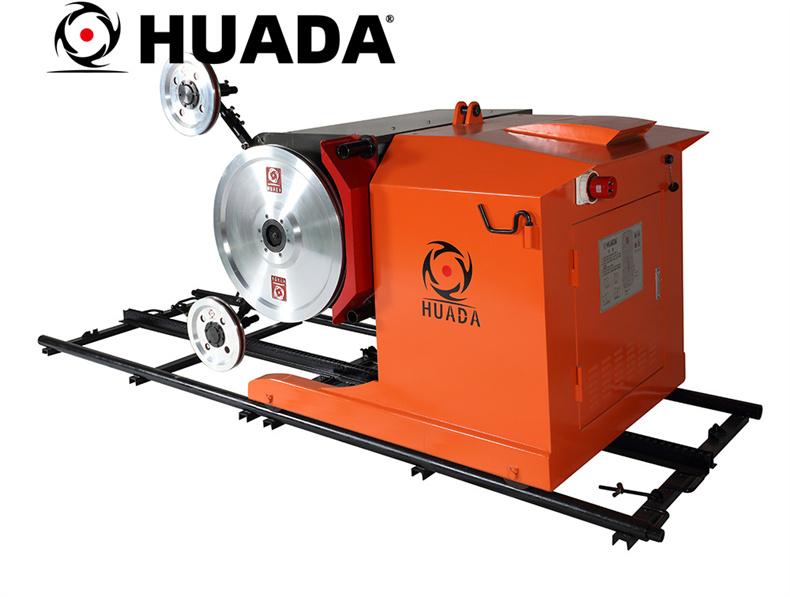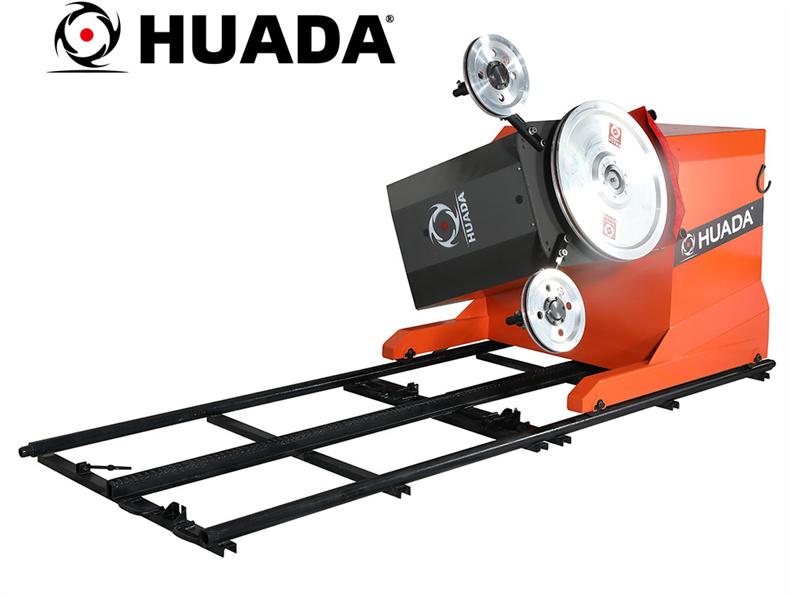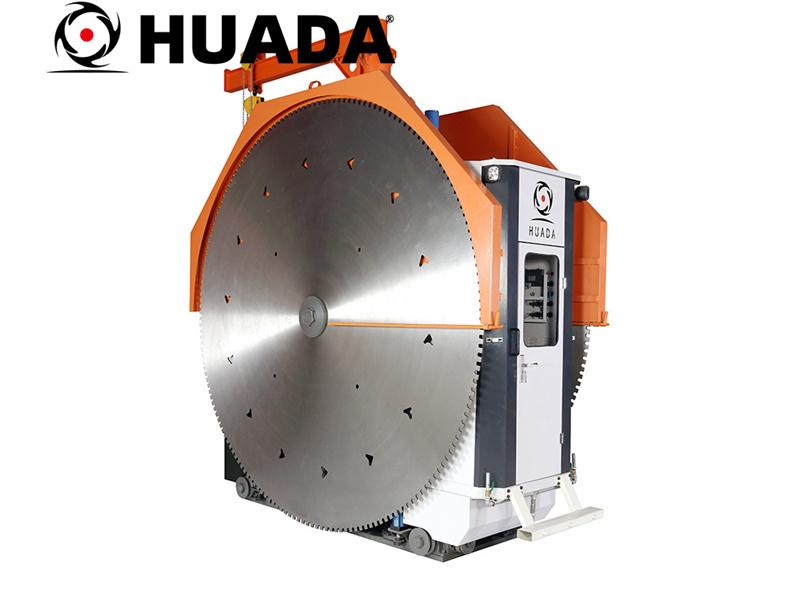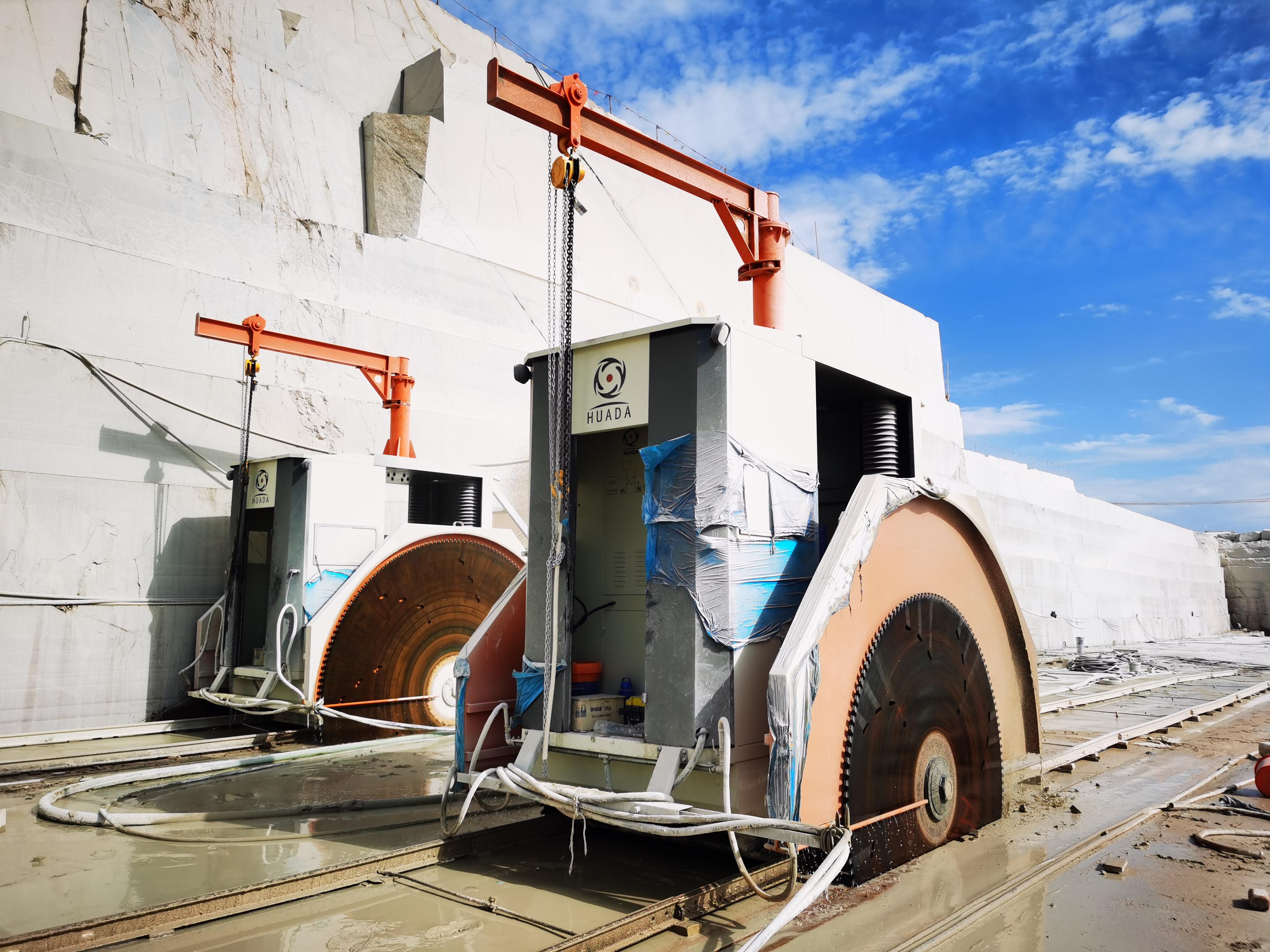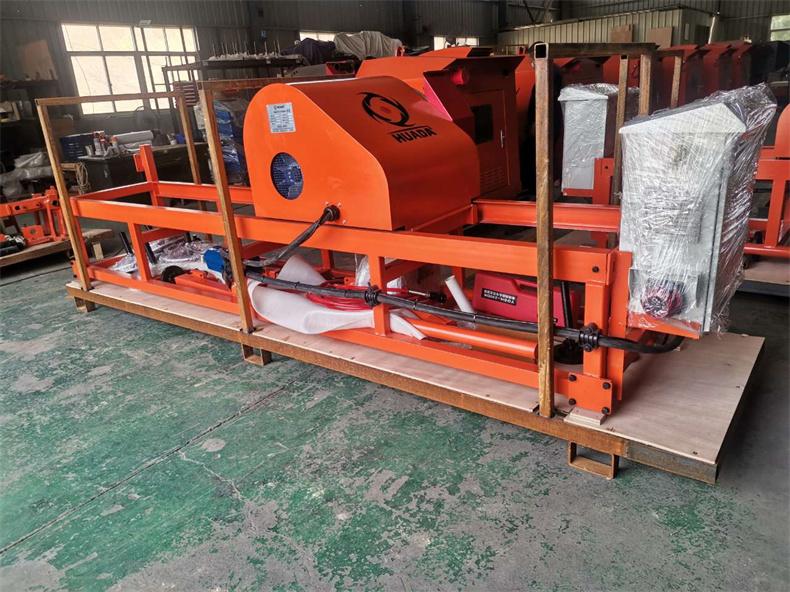

The archived article names three application contexts: quarrying, stone-block squaring and architectural stone cutting. This map keeps those contexts separate so that evidence from one stage is not carried into another.
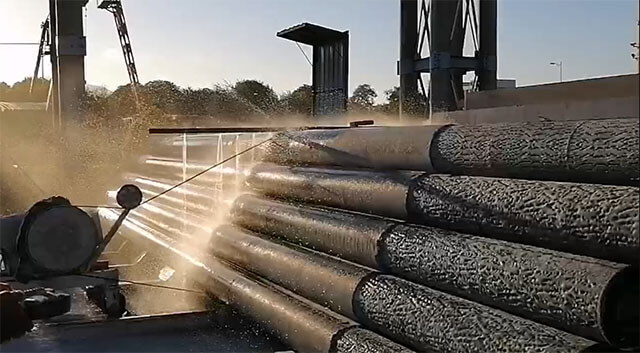
Three contexts, three evidence envelopes
Archive context: quarry
The record may identify the site, stone, proposed machine and wire, but it must not turn that identification into an extraction method or suitability conclusion.
Archive context: block preparation
A block, requested geometry and trial document can be linked as evidence. The words “squaring” or “thin wire” do not establish tolerance, material loss or surface condition.
Archive context: architectural work
Design files, sample identity and measured outputs belong together. An illustration alone does not demonstrate shape or fabrication capability.
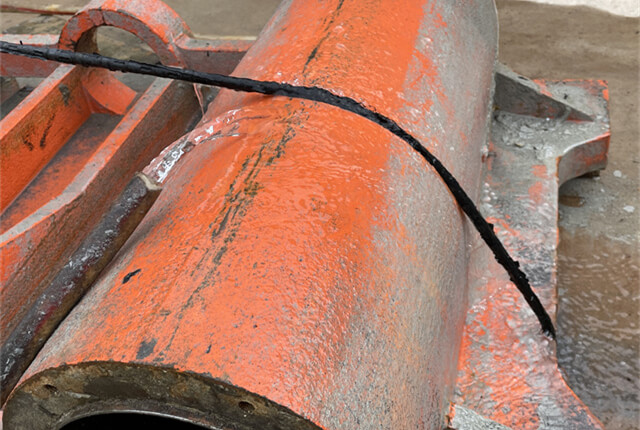
Keep evidence at the stage where it was created
| Stage | Useful record | Open question |
|---|---|---|
| Quarry context | Site, stone and exact-system identity | What source supports the proposed application? |
| Block context | Drawing, sample and measurement record | Which geometry was actually assessed? |
| Architecture context | Design revision and documented sample | What evidence belongs to that design? |
What the application map can support
The map can show where a document belongs, which identity fields are missing and whether a result was measured for the named context. It cannot select a product, transfer a trial result between stages or promise productivity, quality, finish, savings or reduced waste.