
Granite role evidence map
The archived article arranges diamond-wire-for-granite language around extraction, block sawing, and shaping or profiling. These are historical subject labels, not instructions, equipment assignments, or verified output claims.
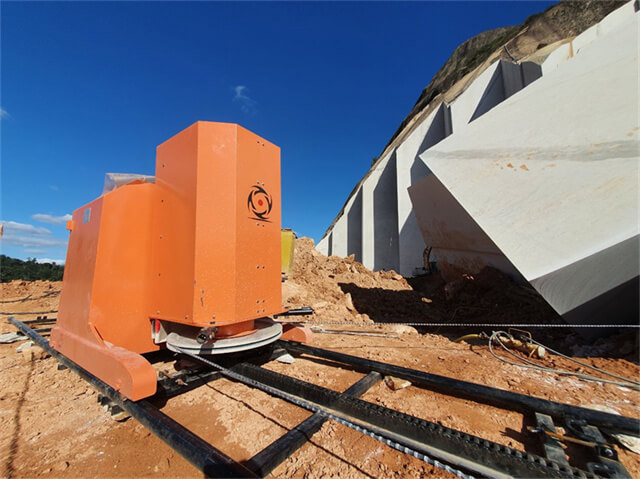
Three role areas named in the archive
Extraction
The source identifies extraction as a discussion area but supplies no exact granite deposit, block geometry, wire identity, project record, or documented result.
Block sawing
The wording connects the topic with block sawing without a named block, stone test, product specification, or accepted slab record.
Shaping and profiling
Profile language appears in the legacy narrative, while drawings, tolerances, samples, and measured outputs are absent.
What connects a role label to a supported statement
A role label becomes supportable only when it is tied to a specific product identity, a defined granite source or workpiece, a dated record, and evidence addressing the statement being made. The archive provides none of that chain. It therefore cannot substantiate reduced material loss, geometry capability, lower exposure, faster work, lower cost, or improved productivity.
This distinction matters because a broad application heading can otherwise look like a product recommendation. Here it serves only as a navigation aid for the source record.
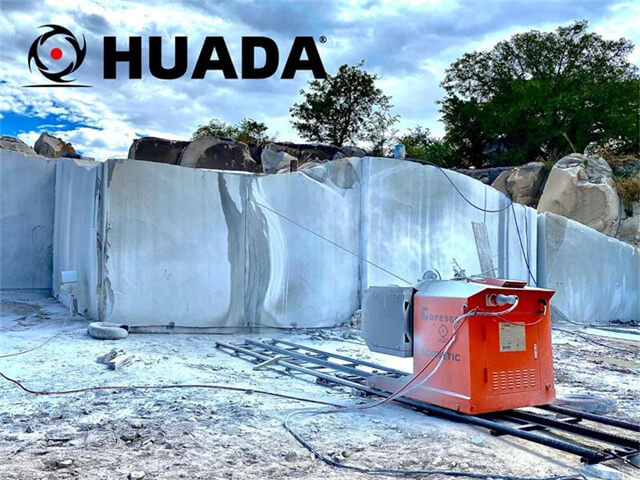
Evidence gaps by archived role
- Extraction label
- Missing exact site context, granite identity, product identity, and a traceable outcome record.
- Block-sawing label
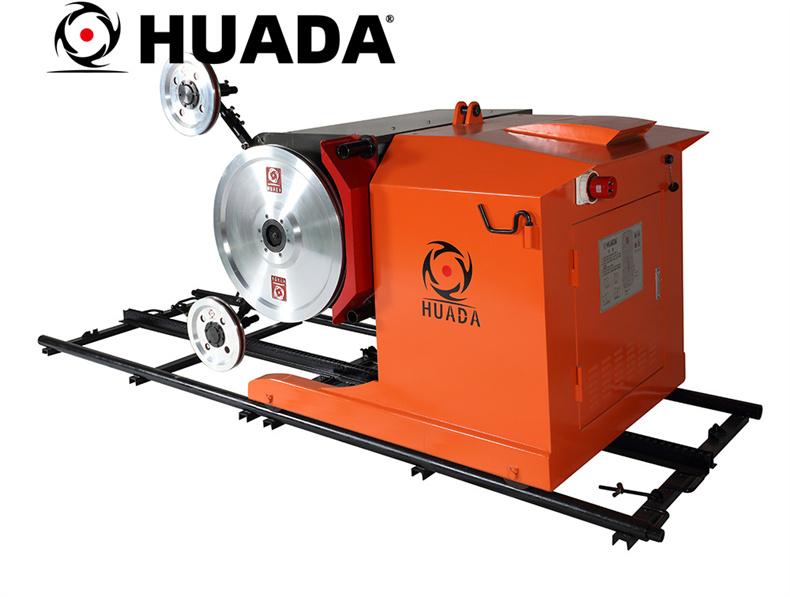
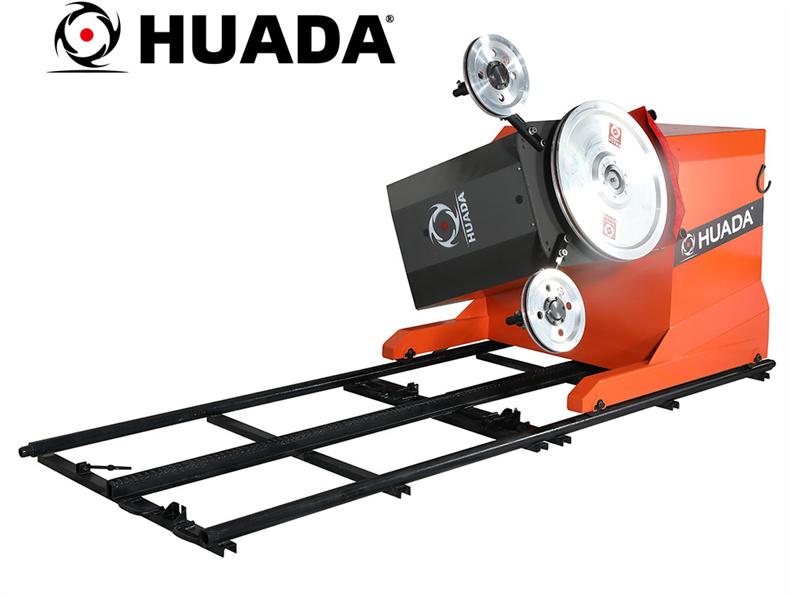
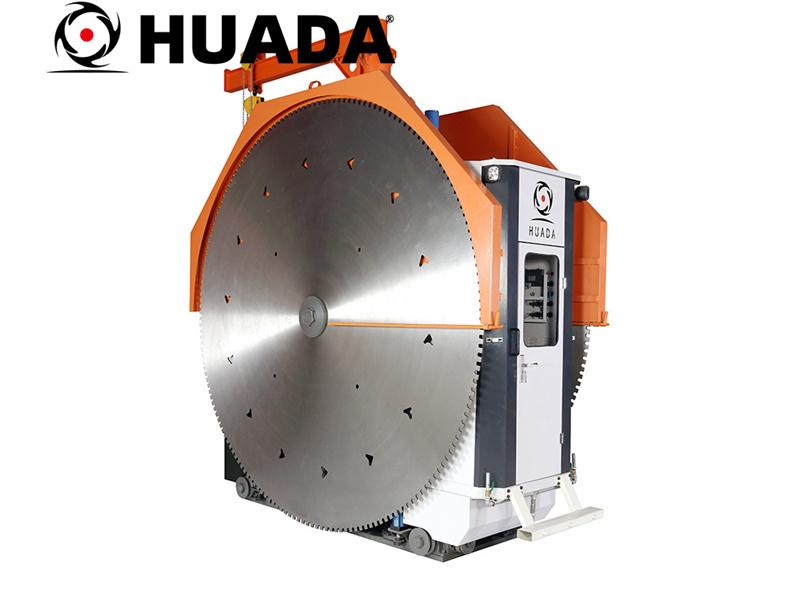
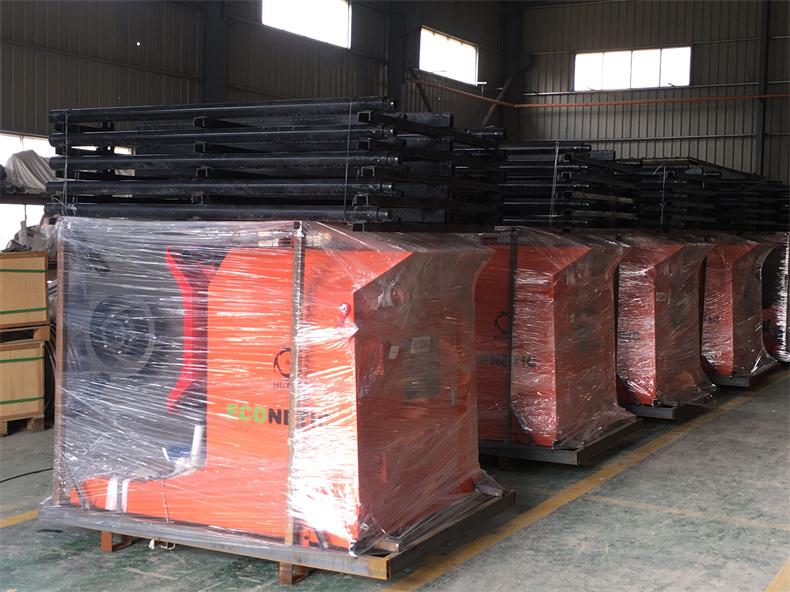
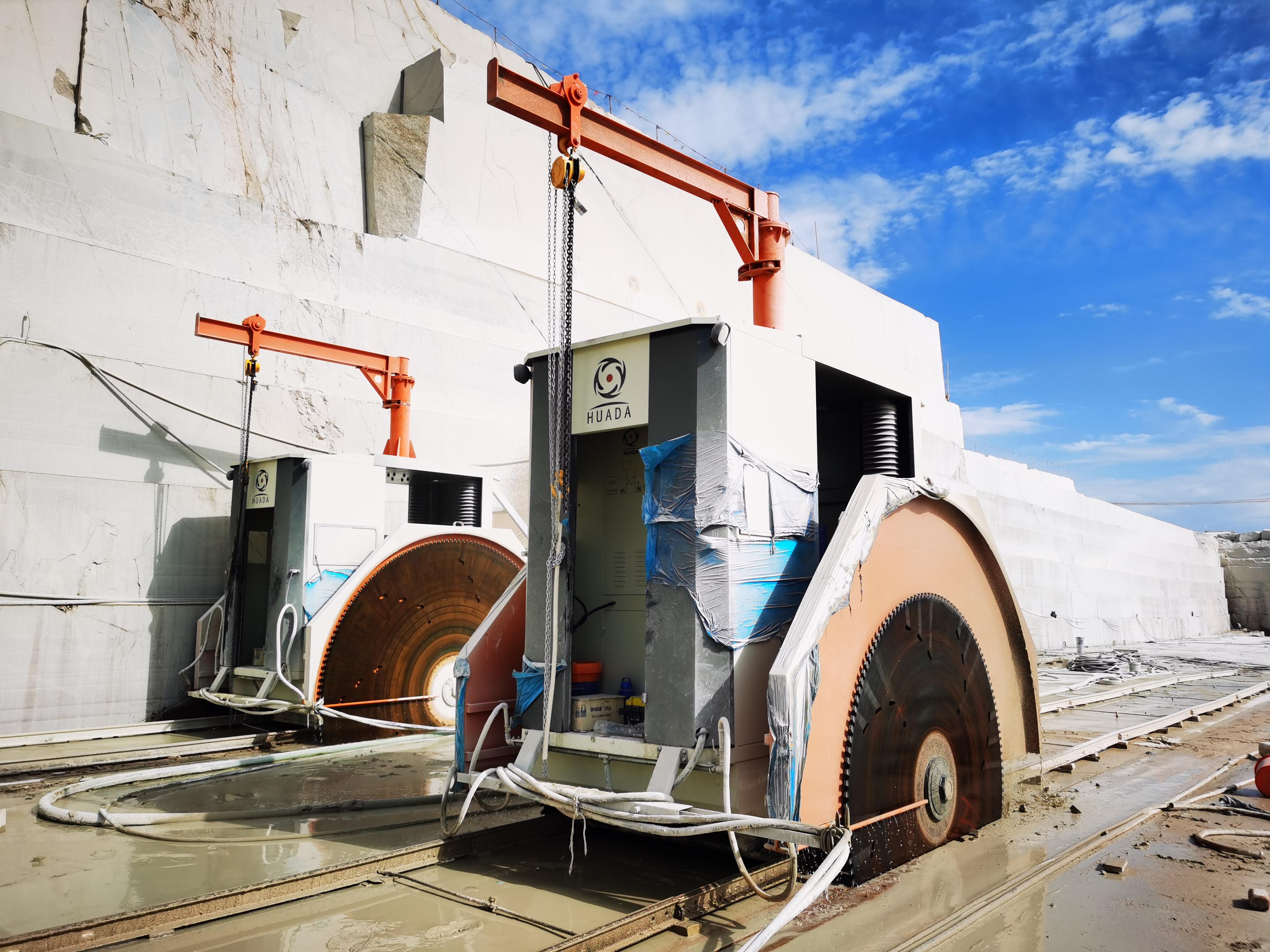
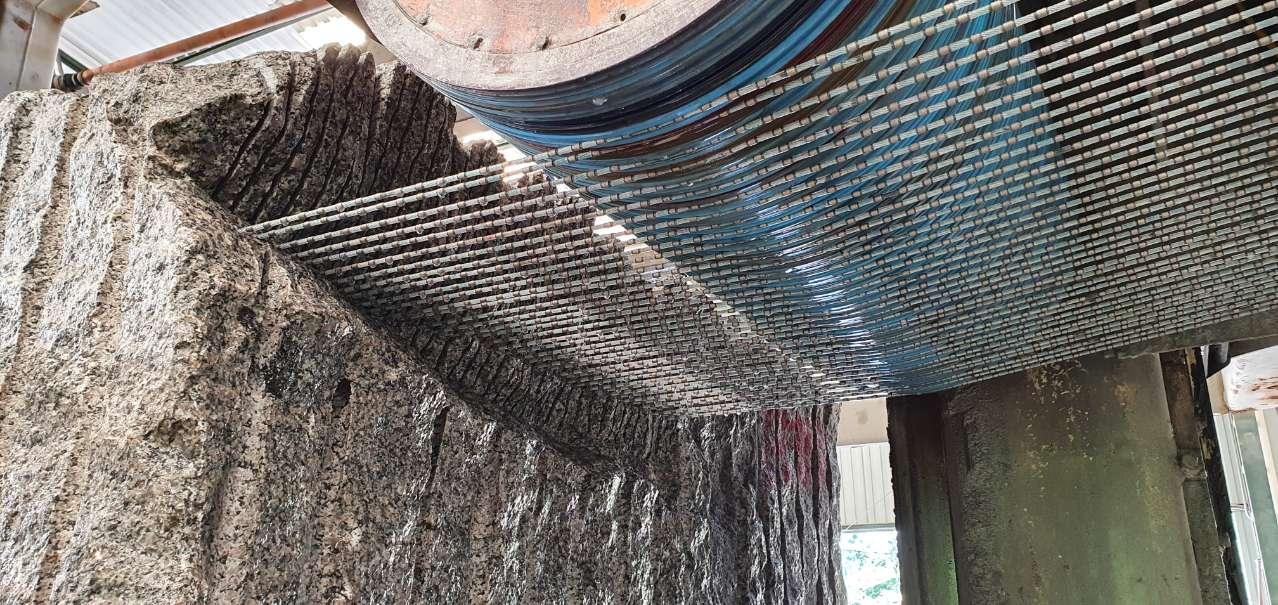
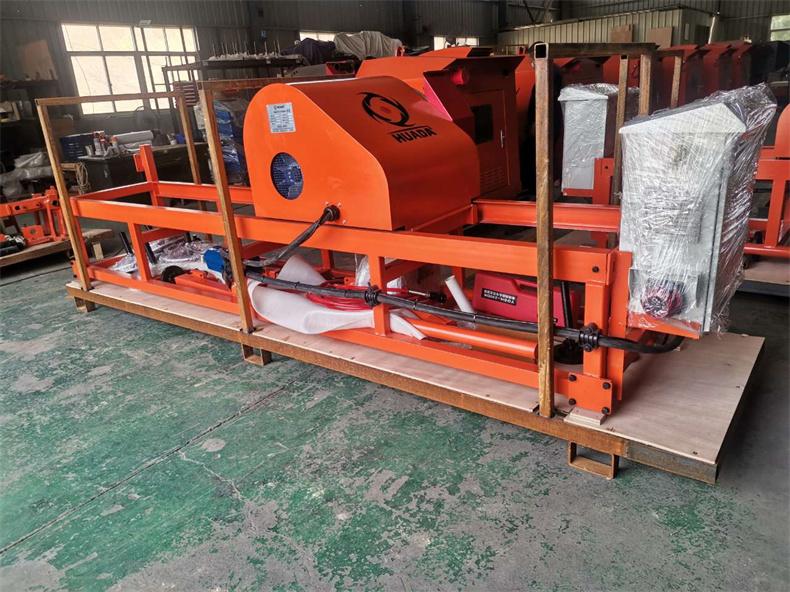
- Missing block definition, documented output, and a source that links the pictured media to granite.
- Profile label
- Missing drawing, sample, acceptance record, and evidence for any shape or precision statement.
How to use this evidence map
Read the page as a record of where the older article placed granite-related terms. It does not choose equipment, describe a method, or certify an output. Any current product or application statement must begin with separate item-specific documentation.