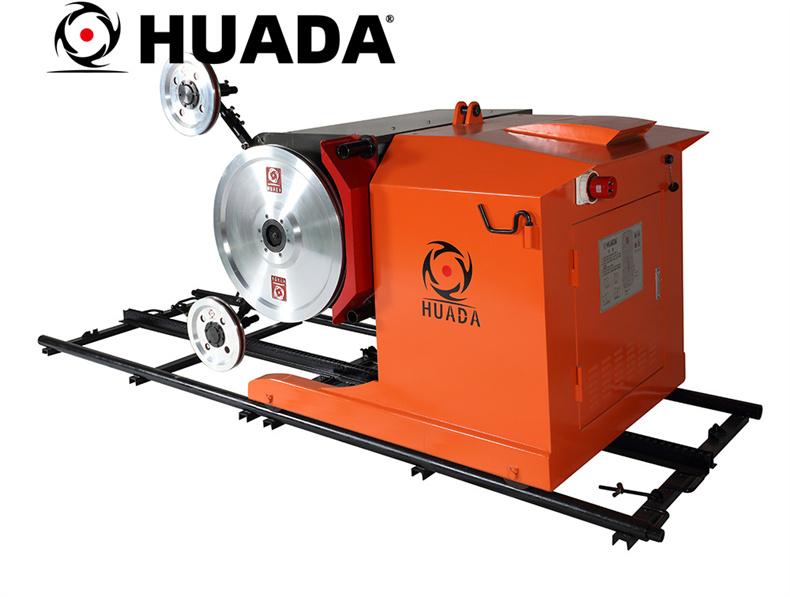
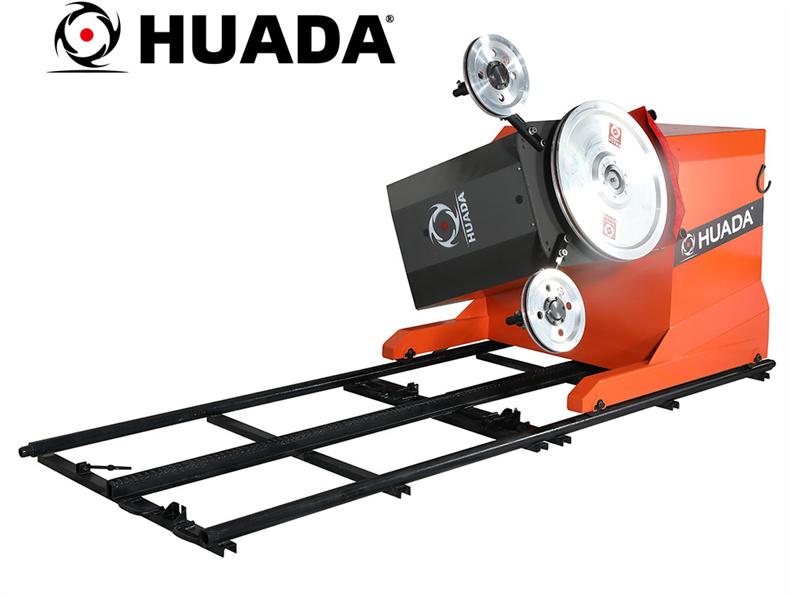
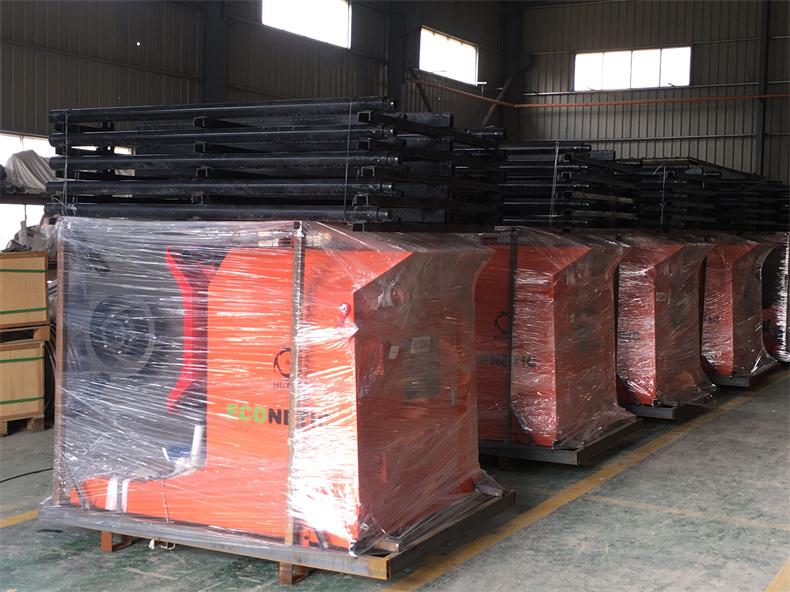
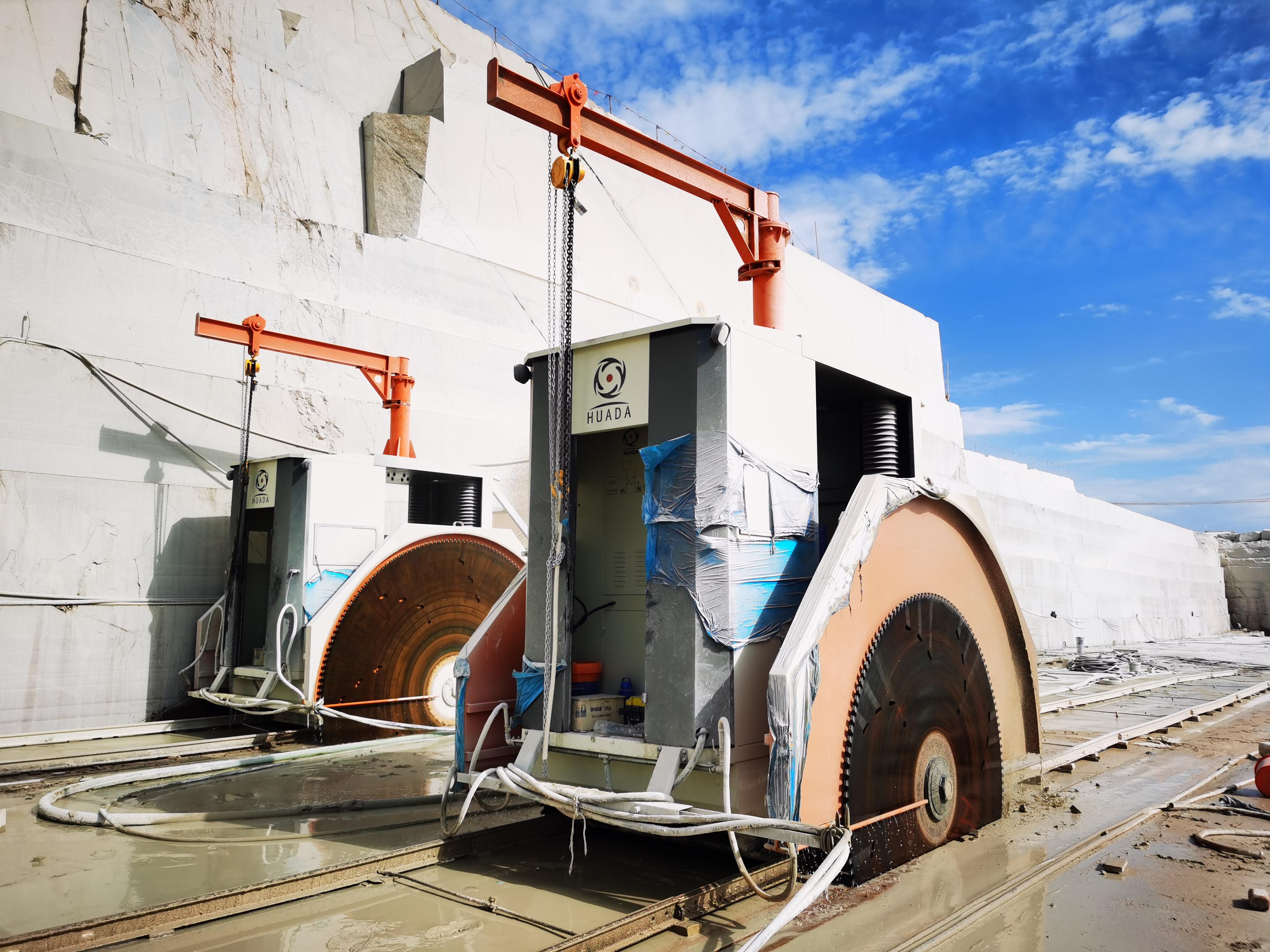
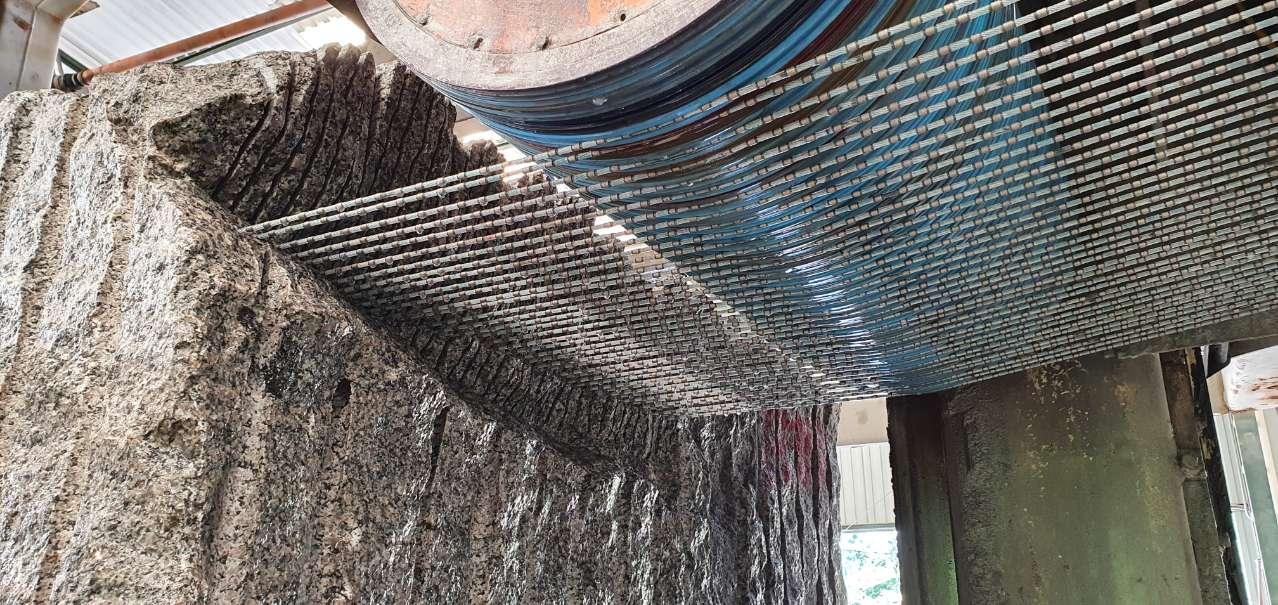
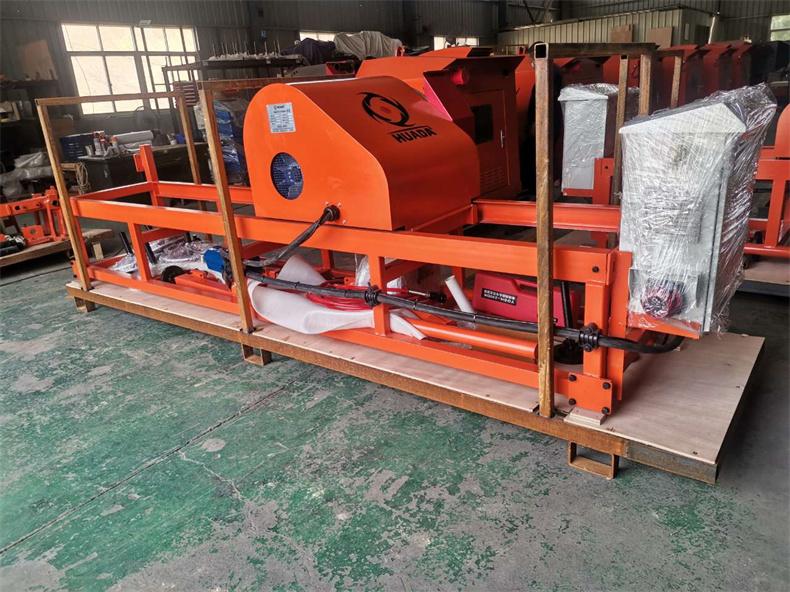
Use “Market Insights on Diamond Wire Saw Cutting” as a decision brief for a wire saw machine: define the material, cut size, access, pulley layout, drive power, wire specification and required finish, verify wire speed, feed rate, tension, cooling-water delivery, guide-wheel alignment and cut clearance and retain a representative cut record, wire-consumption notes, surface condition and a configuration drawing before approval.
Technical context for Market Insights on Diamond Wire Saw Cutting
Market Insights on Diamond Wire Saw Cutting
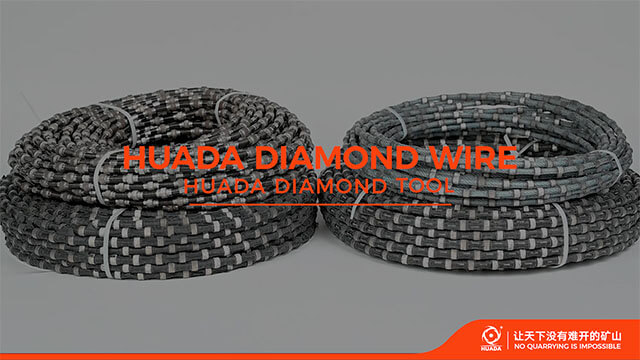
Diamond wire saw cutting is a widely used method in various industries, including construction, mining, and stone processing. This technique involves using a wire embedded with diamond beads to cut materials such as concrete, granite, and marble. In recent years, the market for diamond wire saw cutting has witnessed significant growth due to its advantages over traditional cutting methods. This article will provide insights into the market trends, applications, and key players in the diamond wire saw cutting industry.
1. Market Trends
The diamond wire saw cutting market has experienced steady growth in recent years. One of the key drivers of this growth is the increasing demand for efficient and precise cutting methods in industries such as construction and mining. Diamond wire saws offer several advantages over traditional cutting tools, including higher cutting speed, reduced material wastage, and improved accuracy. These factors have led to a rising adoption of diamond wire saws in various applications.
Another trend in the market is the development of advanced diamond wire saw technology. Manufacturers are continuously investing in research and development to improve the performance of diamond wire saws. This includes innovations in diamond bead design, wire tension control systems, and overall cutting efficiency. The introduction of new and improved diamond wire saws has further fueled the market growth, as industries seek enhanced cutting solutions for their operations.
Additionally, the market for diamond wire saw cutting is witnessing a shift towards sustainable practices. As environmental concerns gain prominence, companies are increasingly opting for eco-friendly cutting methods. Diamond wire saws, compared to traditional cutting techniques, generate less noise, dust, and vibration. They also require less water for cooling purposes. These eco-friendly characteristics have made diamond wire saws a preferred choice among environmentally conscious businesses.
2. Applications
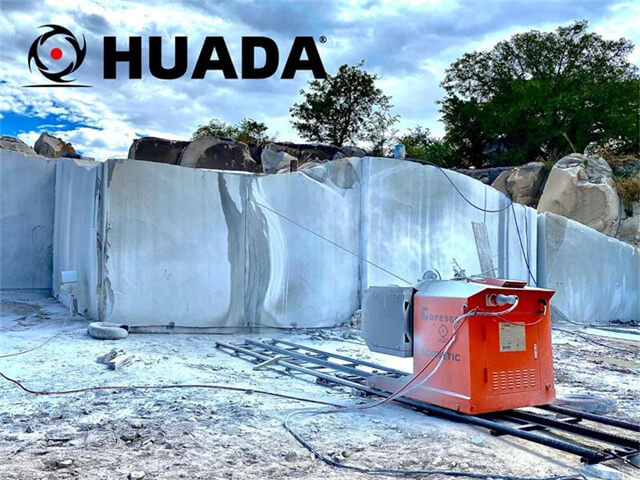
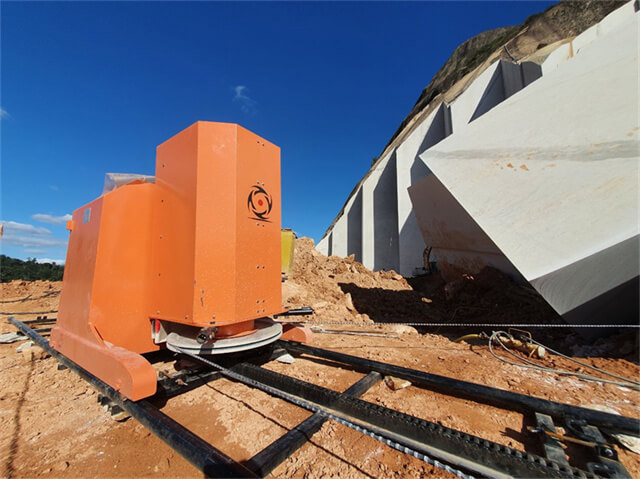
Diamond wire saw cutting finds extensive applications in various industries. In the construction sector, it is widely used for concrete cutting and demolition purposes. The diamond wire saws can effectively cut through reinforced concrete structures with precision and speed, minimizing disruption to surrounding areas. Moreover, diamond wire saw cutting is also used in the mining industry for quarrying and extracting different types of stones and minerals.
In the stone processing industry, diamond wire saws are employed for cutting and shaping granite, marble, and other natural stones. This technique enables craftsmen to create intricate designs and precise cuts, enhancing the aesthetic appeal of the finished products. Additionally, diamond wire saw cutting is used in the manufacturing of solar panels, semiconductor wafers, and other high-tech materials that require precise cutting and minimal material wastage.
3. Key Players
The diamond wire saw cutting market is highly competitive, with several key players dominating the industry. Some of the prominent companies operating in this market include Husqvarna AB, TYROLIT Group, Hilti Group, and Saint-Gobain Abrasives, among others. These companies offer a wide range of diamond wire saws with varying specifications to cater to different industry requirements. They also focus on providing excellent customer service, technical support, and continuous product innovation to stay ahead in the market.
In conclusion, the market for diamond wire saw cutting is witnessing steady growth, driven by increasing demand for efficient cutting methods, technological advancements, and the shift towards sustainable practices. The applications of diamond wire saws span across industries such as construction, mining, and stone processing, offering enhanced cutting precision and reduced material wastage. With key players continuously investing in research and development, we can expect further innovations and advancements in the diamond wire saw cutting industry.

Control the main operating risk
The recurring risk in “Market Insights on Diamond Wire Saw Cutting” is poor pulley alignment, inadequate cooling, unsuitable wire or an unstable feed setting. Set a stop condition, assign who checks the machine and tool, and keep changes traceable. If the result moves outside the agreed window, investigate the material, alignment, tooling and utilities before adding load or speed.
Define the application before comparing equipment
For “Market Insights on Diamond Wire Saw Cutting,” write down the material, cut size, access, pulley layout, drive power, wire specification and required finish. This separates a real project requirement from a search phrase and gives every supplier the same boundary. The proposed wire saw machine can then be checked against the material, site and required result instead of being accepted by name alone.
Use evidence that can be retained
A practical review of “Market Insights on Diamond Wire Saw Cutting” should retain a representative cut record, wire-consumption notes, surface condition and a configuration drawing. Photographs and brochures help identify the offered configuration, but they do not replace a test condition, measured result or signed scope. Record settings for wire speed, feed rate, tension, cooling-water delivery, guide-wheel alignment and cut clearance so the accepted result can be repeated.
Decision and acceptance table
| Decision point | What to define | Evidence to keep |
|---|---|---|
| Application | the material, cut size, access, pulley layout, drive power, wire specification and required finish | Written job or product brief |
| Operating window | wire speed, feed rate, tension, cooling-water delivery, guide-wheel alignment and cut clearance | Recorded trial settings and observations |
| Acceptance | a representative cut record, wire-consumption notes, surface condition and a configuration drawing | Signed sample, cut record or inspection note |
| Risk control | poor pulley alignment, inadequate cooling, unsuitable wire or an unstable feed setting | Named corrective action and stop condition |
Buyer and operator checklist
- Material and cut or hole dimensions for Market Insights on Diamond Wire Saw Cutting
- Offered wire saw machine configuration and included tooling
- Power, water, compressed air, access and lifting requirements
- Settings and checks covering wire speed, feed rate, tension, cooling-water delivery, guide-wheel alignment and cut clearance
- Factory or site acceptance method and responsible people
- Training, critical spares, manuals and service response boundary
Frequently asked questions
What should be confirmed first for Market Insights on Diamond Wire Saw Cutting?
For Market Insights on Diamond Wire Saw Cutting, start with the material, cut size, access, pulley layout, drive power, wire specification and required finish. Those inputs determine whether the proposed wire saw machine and tool are relevant.
How should performance for Market Insights on Diamond Wire Saw Cutting be verified?
For Market Insights on Diamond Wire Saw Cutting, use a representative cut record, wire-consumption notes, surface condition and a configuration drawing. Keep the material, operating conditions and acceptance criteria with the result.
Which settings matter during Market Insights on Diamond Wire Saw Cutting?
For Market Insights on Diamond Wire Saw Cutting, record wire speed, feed rate, tension, cooling-water delivery, guide-wheel alignment and cut clearance. A result without its settings is difficult to reproduce or compare.
When should work on Market Insights on Diamond Wire Saw Cutting be paused?
For Market Insights on Diamond Wire Saw Cutting, pause when the workpiece, support, guarding, utilities or cutting condition is unsafe, or when poor pulley alignment, inadequate cooling, unsuitable wire or an unstable feed setting is observed.