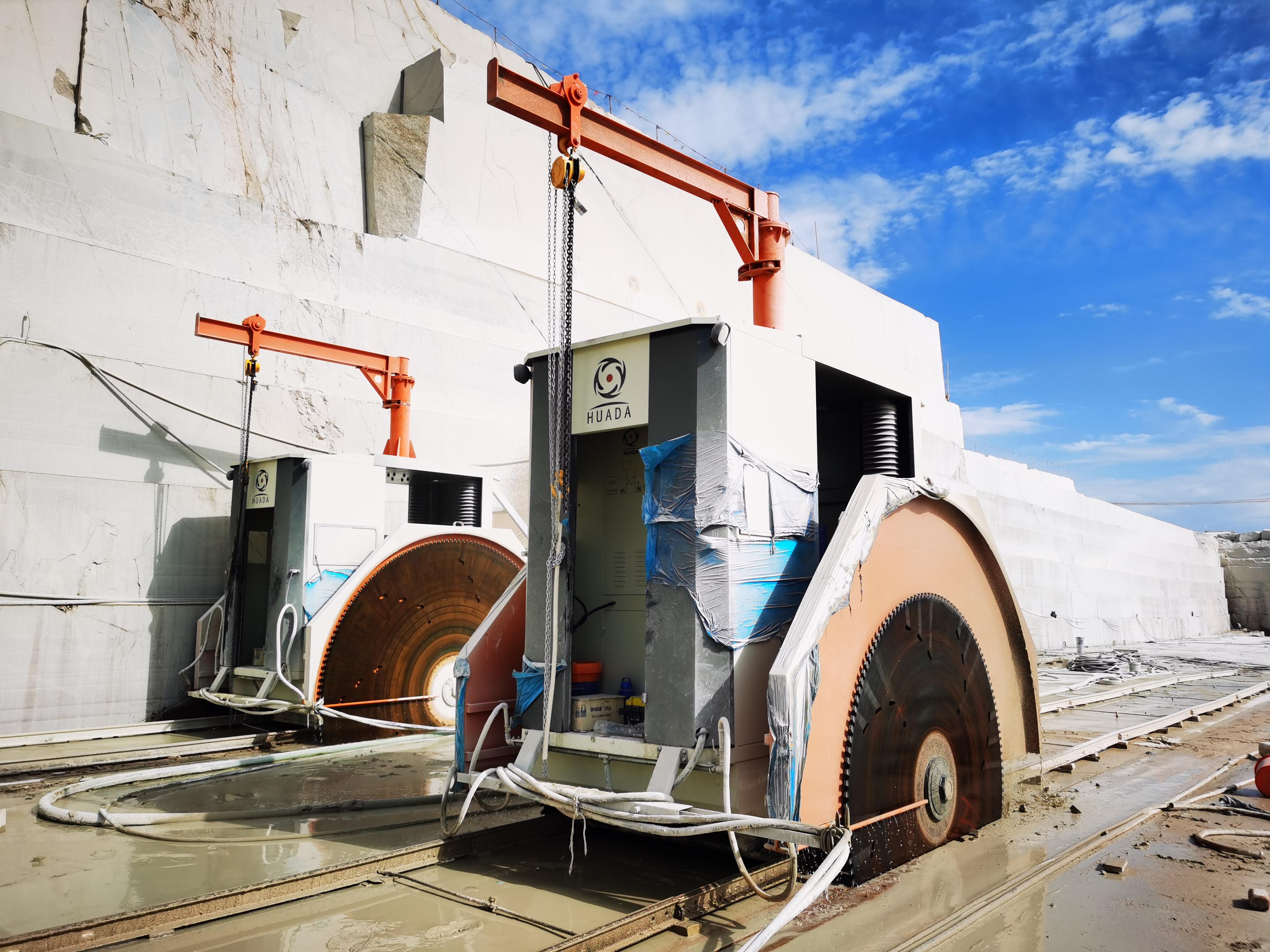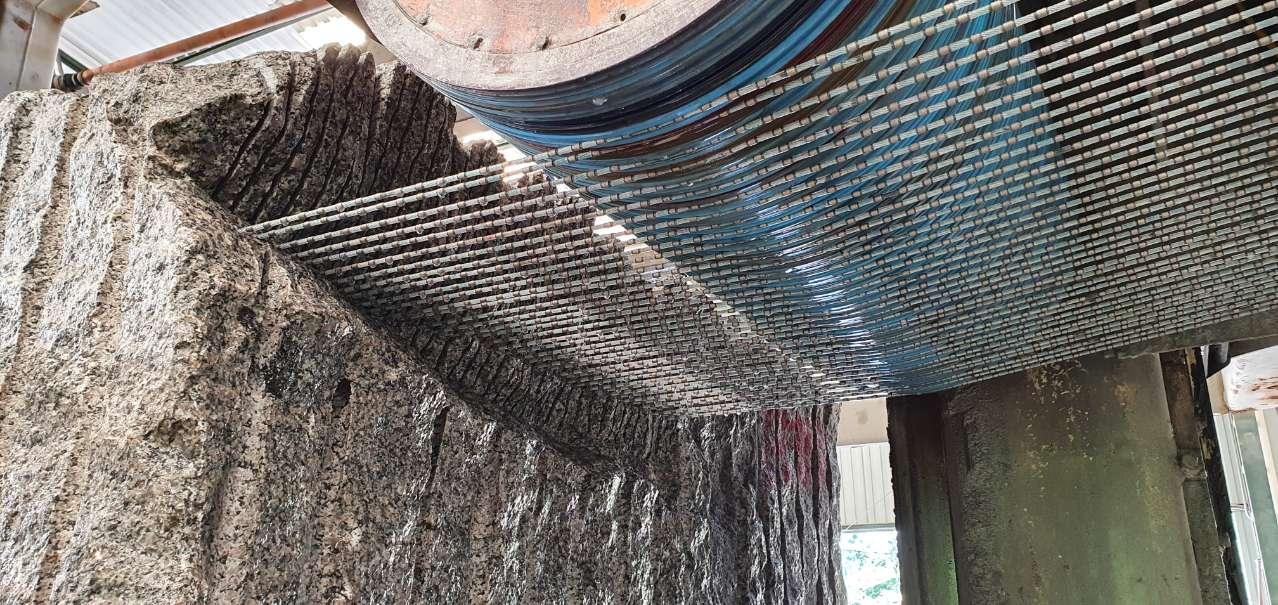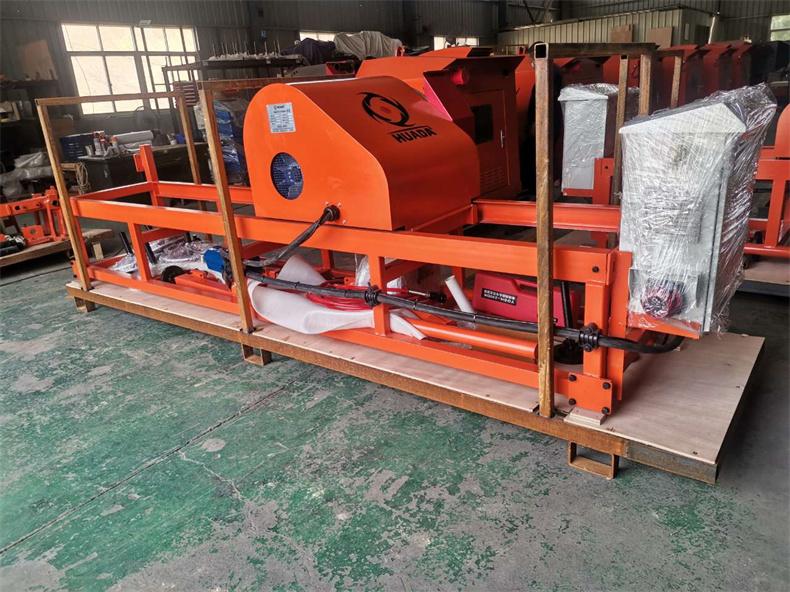

The frozen source groups maintenance around housekeeping, wire-tension condition and moving-part condition. This page turns those topics into neutral record fields so observations can remain distinct from service decisions. It supplies no interval, acceptance limit or instruction for cleaning, adjustment, lubrication or replacement.
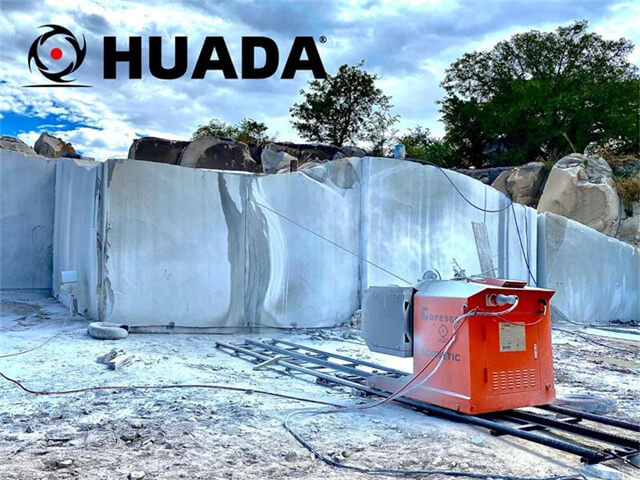
Record A: cutting-area and housekeeping observations
The archive names debris, dust, stone particles and the cutting area. A record grounded in that evidence can identify the observed location, describe visible material in neutral terms and attach dated evidence. The historical text does not establish how access should be controlled or how any material should be removed.
Record B: wire, tensioning and water-system questions
The source names the tensioning mechanism, water tank and filters as verification topics. The record may state whether these areas were included in an authorized inspection and whether a question remains unresolved. It cannot define tension, water condition, filter status, an intervention or a pass/fail threshold.
Scope line: identify which named area was actually observed.
Finding line: capture the condition in the inspector's evidence without adding a technical conclusion.
Disposition-owner line: identify the current manual and authorized role needed to decide any response.

Record C: moving-part condition
Bearings and gears are the moving-part examples named by the archive. They can appear as headings in an inspection record only when the actual machine scope confirms they are relevant. The archive does not supply component access instructions, lubrication requirements, fault criteria or replacement decisions.
Keep the observed condition, supporting evidence and service disposition in separate fields. An observation is not permission to act, and an archived topic is not proof that a component exists on the current machine.
Record close: unresolved questions stay unresolved
The frozen archive does not bind an exact model manual, inspection interval, acceptance criterion or authorized service process. A record may therefore close by stating what was observed, what evidence exists and who owns the disposition. It must not infer that a maintenance action is safe, necessary or sufficient, or that it will improve precision, efficiency or service life.