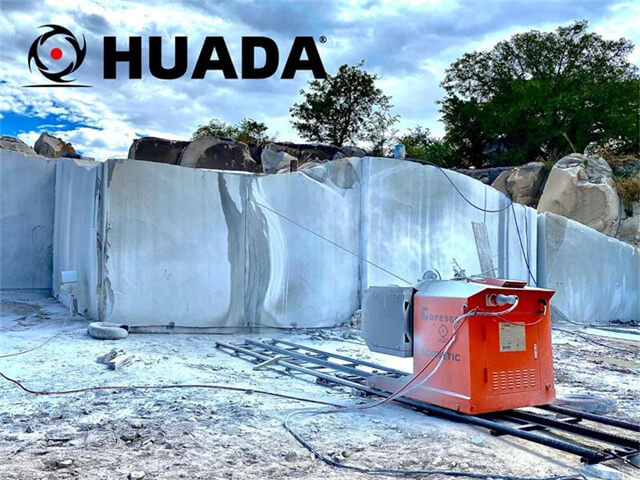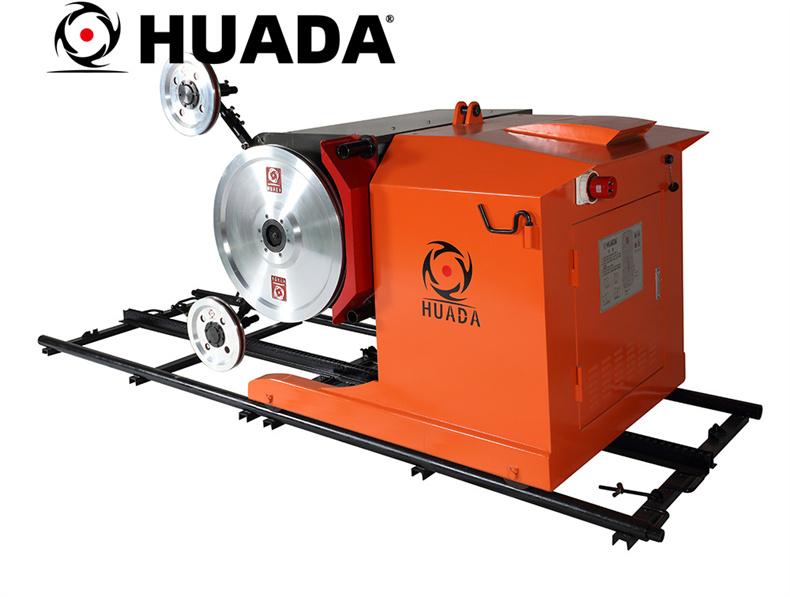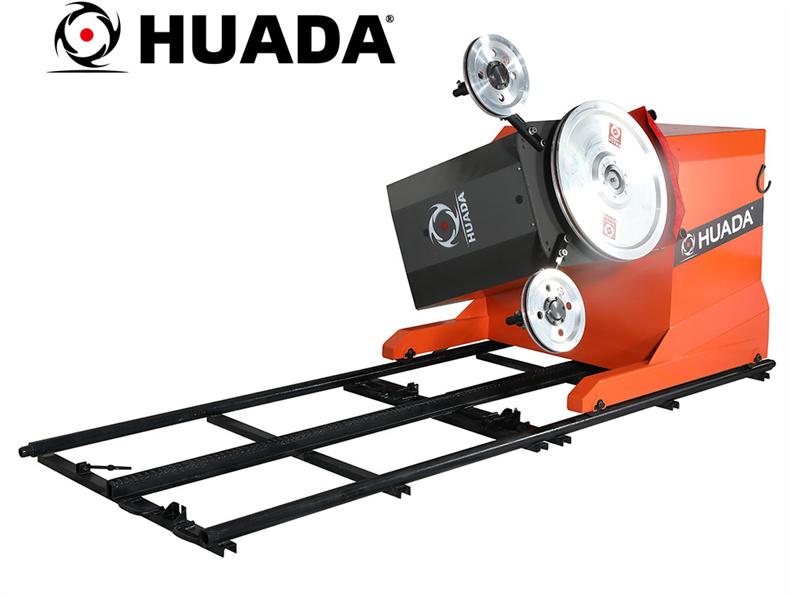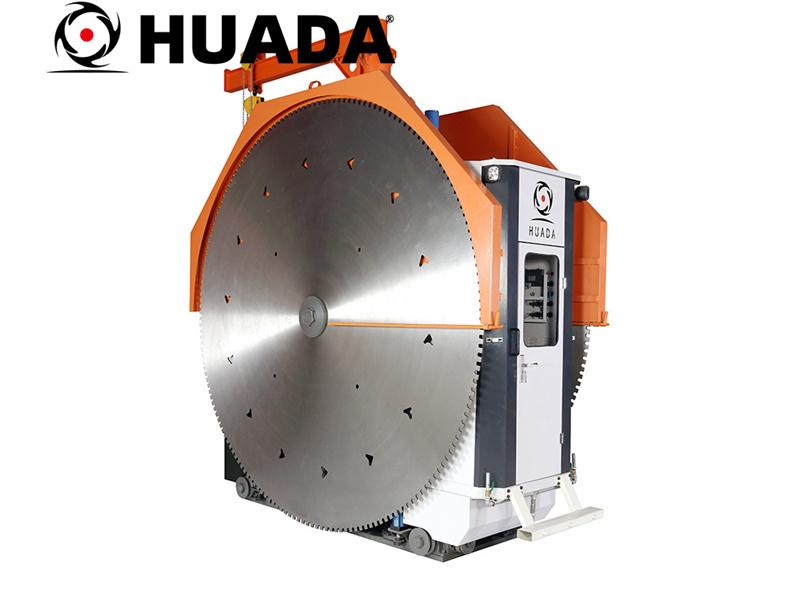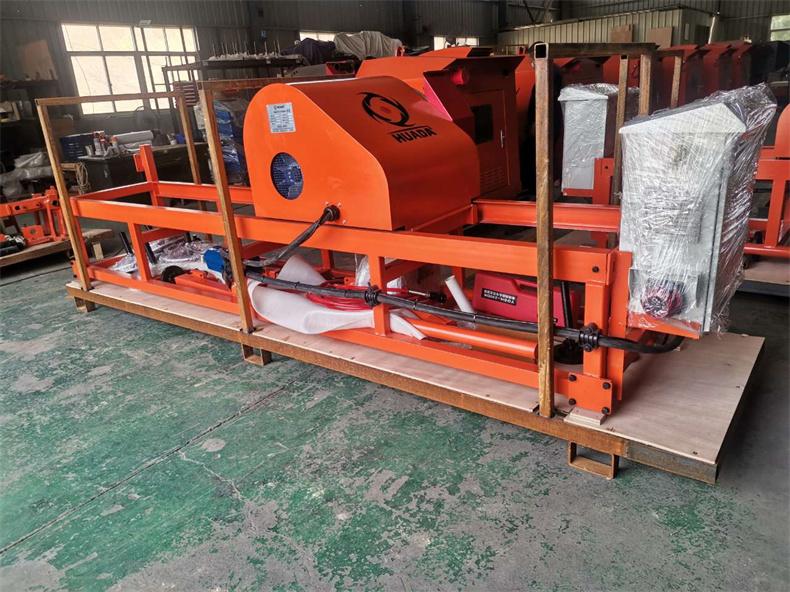

Productivity, precision, and cost-effectiveness are the three benefit headings inherited from the archive. None arrives with a measured quarry test. The ledger below converts each heading into an evidence status so the historical claims are visible without being repeated as conclusions.
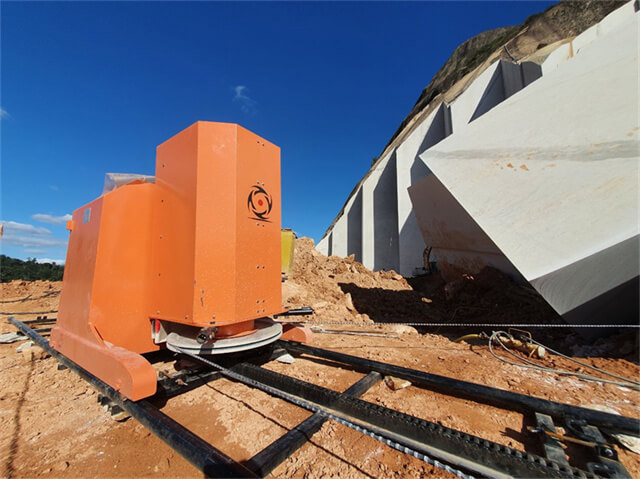
Three claim groups and their present status
Productivity group
The source mentions extraction time, quantity, workflow, and downtime. It gives no identified quarry, exact wire or machine, marble record, comparison basis, measurement period, or signed result. The complete group remains unverified.
Precision group
Cut consistency, surface condition, edge quality, intricate form, material loss, vibration, heat, and block damage are archived claim subjects. No geometry, inspection method, sample identity, conditions, or accepted measurements are attached.
Commercial group
Labor, processing, cost, extracted-block value, price, and profitability appear in the old narrative. There is no declared accounting boundary, currency, period, production basis, market evidence, or accountable commercial record.

Evidence that a claim file would need
| Claim file | Necessary identity | Necessary evidence boundary |
|---|---|---|
| Time or quantity | Named quarry, marble, exact system, comparator, and dates | Declared measurement method and complete result set |
| Finish or damage | Identified block, geometry, inspection criteria, and sample record | Accepted observations or measurements tied to conditions |
| Labor or processing | Defined workflow boundary and comparable recorded scope | Dated source data with responsible review |
| Cost or value | Currency, period, accounting scope, market basis, and issuer | No commercial conclusion without the underlying record |
Reading the title without extending it
The phrase “effective usage” is preserved as the article identity, but it is not treated as an established result. The supportable content is the classification of archived assertions and the evidence missing from each one, not a recommendation for use.