
This archived stone diamond wire saw note is a matching exercise. Begin with the stone and cutting requirement, compare the stated wire factors, and then check whether the planned setup and coolant conditions support that choice.
Define the material and cutting requirement
The source says wire selection should match the stone material and the cutting requirement. These two inputs belong together: the stone identifies the material context, while the requirement identifies what the cut is intended to accomplish.
The archive does not turn either input into a product table. A selection request should therefore name the actual stone and job instead of assuming that one general wire description establishes compatibility.
Compare the three named wire factors
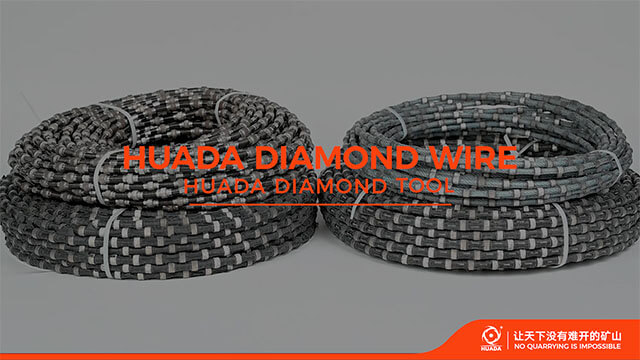
Wire diameter, diamond concentration and bond strength are the factors recorded in the historical page. They are selection headings, not supplied specifications. No value, grade or preferred combination is given.
Keep the factors connected to the material and cutting requirement. The source does not support inventing a diameter, concentration or bond for a machine, nor does it show that any one factor alone determines the result.
Check the proposed machine setup
Wire tension, cutting-direction alignment, speed and feed rate are the setup checks listed in the archive. They provide a second review after the wire has been considered: the selected wire still has to be used within a suitable machine arrangement.
No limit or setting appears in this evidence. Confirm those details against the current machine and tooling instructions rather than converting a factor list into an operating recipe.
Verify coolant continuity as a selection condition
The page calls for continuity of the coolant and specifically names coolant level and flow as conditions to check during cutting. It gives no coolant type, rate or threshold.
That absence matters when comparing options. The available coolant arrangement must be confirmed for the real machine and job, while any value or response procedure must come from current first-party instructions.