Use “Market Analysis of Hard Rock Cutting Machine” as a decision brief for a stone cutting equipment: define material, dimensions, access, target output, utilities, tooling, safety controls and service scope, verify tool condition, alignment, feed, cooling, machine settings, work support and operator procedure and retain a representative test, machine configuration, measured result and written acceptance checklist before approval.
Technical context for Market Analysis of Hard Rock Cutting Machine
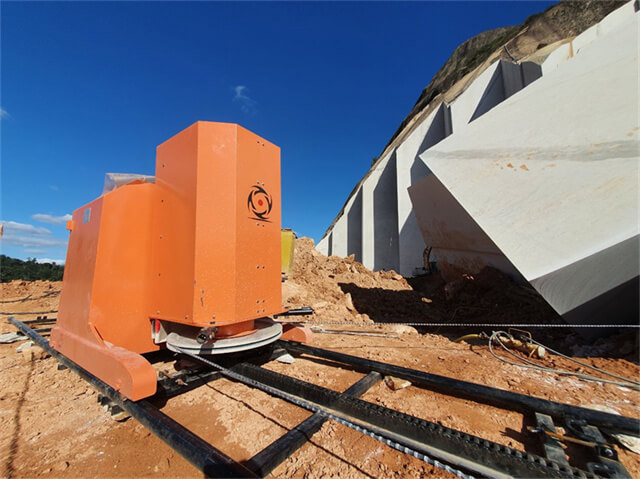
Market Analysis of Hard Rock Cutting Machine
Introduction
The mining industry relies heavily on the extraction of hard rock materials, such as granite, marble, and limestone. Hard rock cutting machines play a crucial role in this process, providing efficient and precise cutting solutions for various applications. As technology continues to advance, the market for hard rock cutting machines is experiencing significant growth. This article aims to analyze the current market trends, key players, and future prospects of the hard rock cutting machine industry.
Current Market Trends
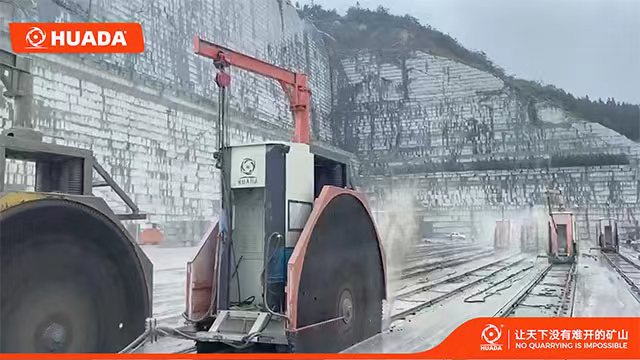
The demand for hard rock cutting machines has been steadily increasing over the years due to several market trends. Firstly, the construction industry's growth and urbanization projects worldwide have led to a surge in the demand for raw materials, driving the need for efficient and reliable cutting machines. Secondly, advancements in technology, such as the development of diamond wire cutting and waterjet cutting technologies, have significantly improved cutting efficiency and accuracy, further fueling the demand. Lastly, environmental regulations and sustainability concerns have prompted mining companies to adopt cutting machines that minimize waste and reduce environmental impact.
Key Players in the Industry
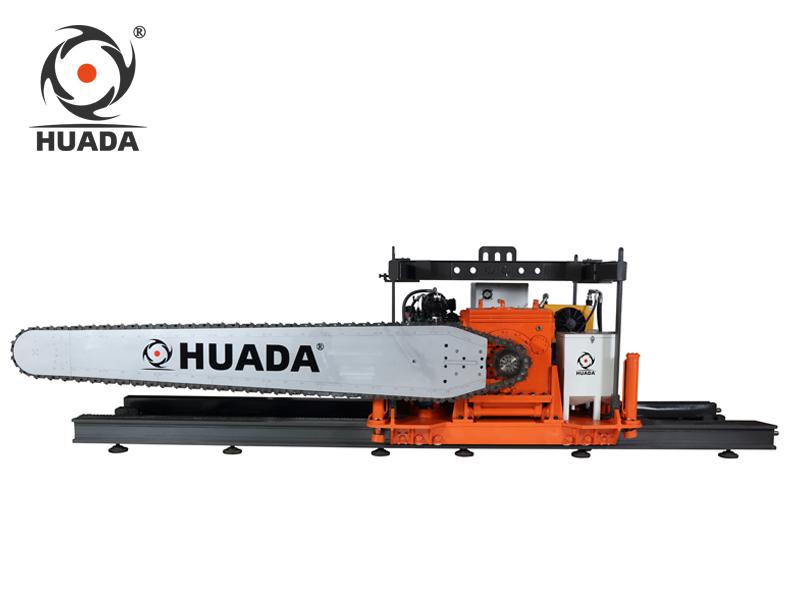
The market for hard rock cutting machines is highly competitive, with several key players dominating the industry. These include renowned companies such as Sandvik AB, Caterpillar Inc., Komatsu Ltd., and Atlas Copco AB. These companies offer a wide range of cutting machines, catering to various mining and construction needs. Additionally, they invest significantly in research and development to continually improve their products' performance and efficiency. The market also consists of smaller players specializing in niche areas or providing customized solutions based on specific customer requirements.
Future Prospects
The future of the hard rock cutting machine industry looks promising, with several factors driving its growth. Firstly, the ongoing digitization and automation of the mining industry are expected to create a higher demand for cutting machines that can seamlessly integrate into autonomous mining systems. This will not only improve operational efficiency but also enhance worker safety. Secondly, the increasing focus on sustainable mining practices will drive the adoption of cutting machines that minimize environmental impact through reduced energy consumption and waste generation. Lastly, the development of innovative cutting technologies, such as laser cutting and robotic cutting, will open up new opportunities for market growth and product diversification.
Conclusion
In conclusion, the market for hard rock cutting machines is witnessing significant growth due to the construction industry's expansion, technology advancements, and sustainability concerns. Key players in the industry are continuously innovating to meet the evolving customer demands and market trends. The future prospects of the hard rock cutting machine industry look promising, driven by digitization, sustainability, and technological advancements. As the mining industry continues to thrive, the demand for efficient and precise cutting solutions will further boost the growth of this market.

Control the main operating risk
The recurring risk in “Market Analysis of Hard Rock Cutting Machine” is comparing one headline specification without defining the material, process and acceptance boundary. Set a stop condition, assign who checks the machine and tool, and keep changes traceable. If the result moves outside the agreed window, investigate the material, alignment, tooling and utilities before adding load or speed.
Define the application before comparing equipment
For “Market Analysis of Hard Rock Cutting Machine,” write down material, dimensions, access, target output, utilities, tooling, safety controls and service scope. This separates a real project requirement from a search phrase and gives every supplier the same boundary. The proposed stone cutting equipment can then be checked against the material, site and required result instead of being accepted by name alone.
Use evidence that can be retained
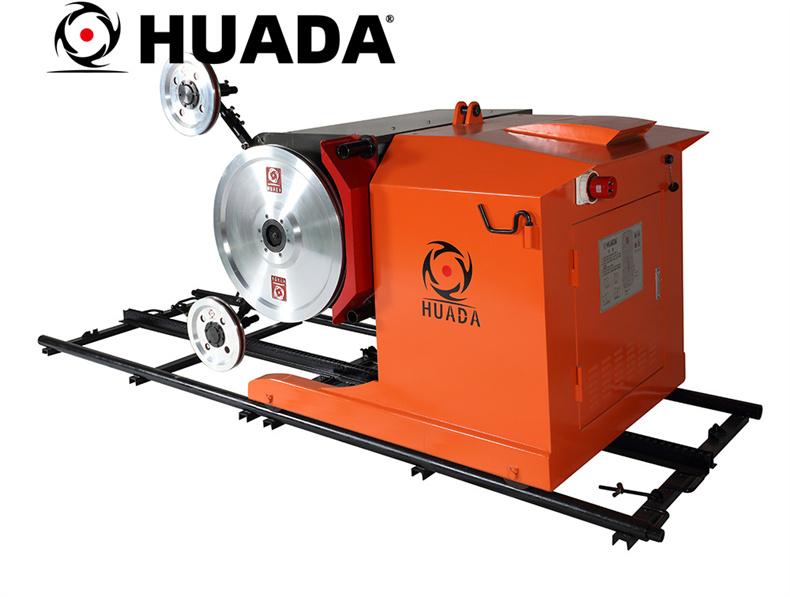
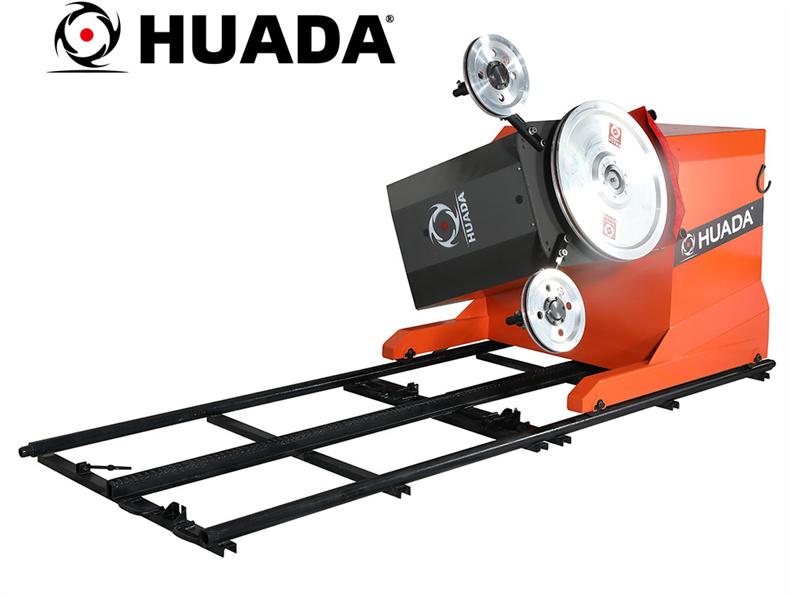
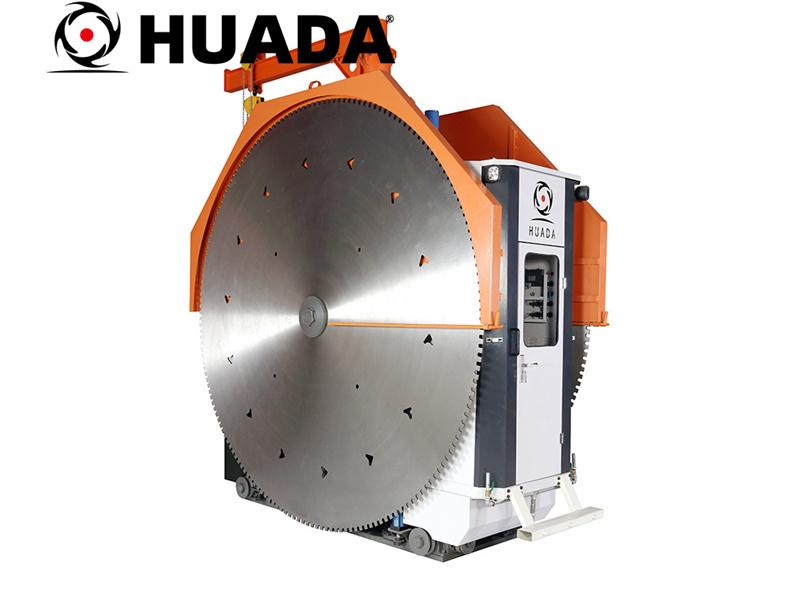
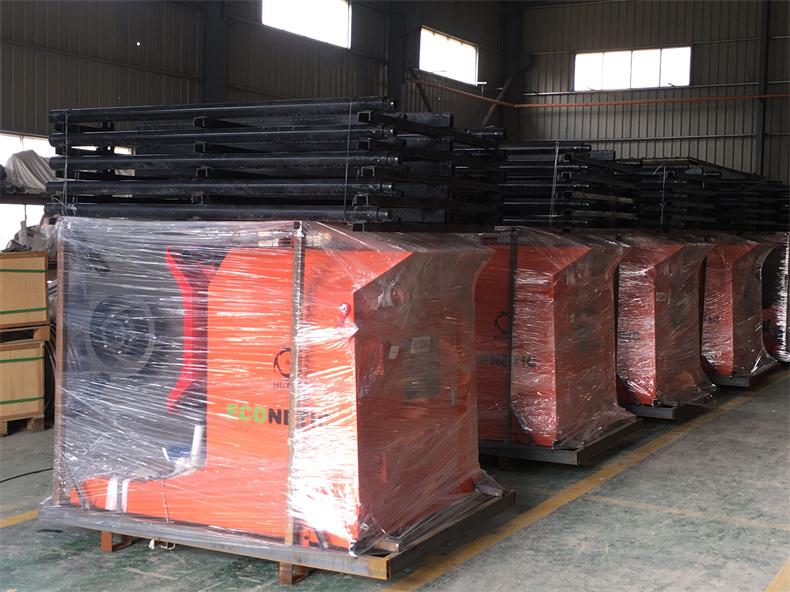
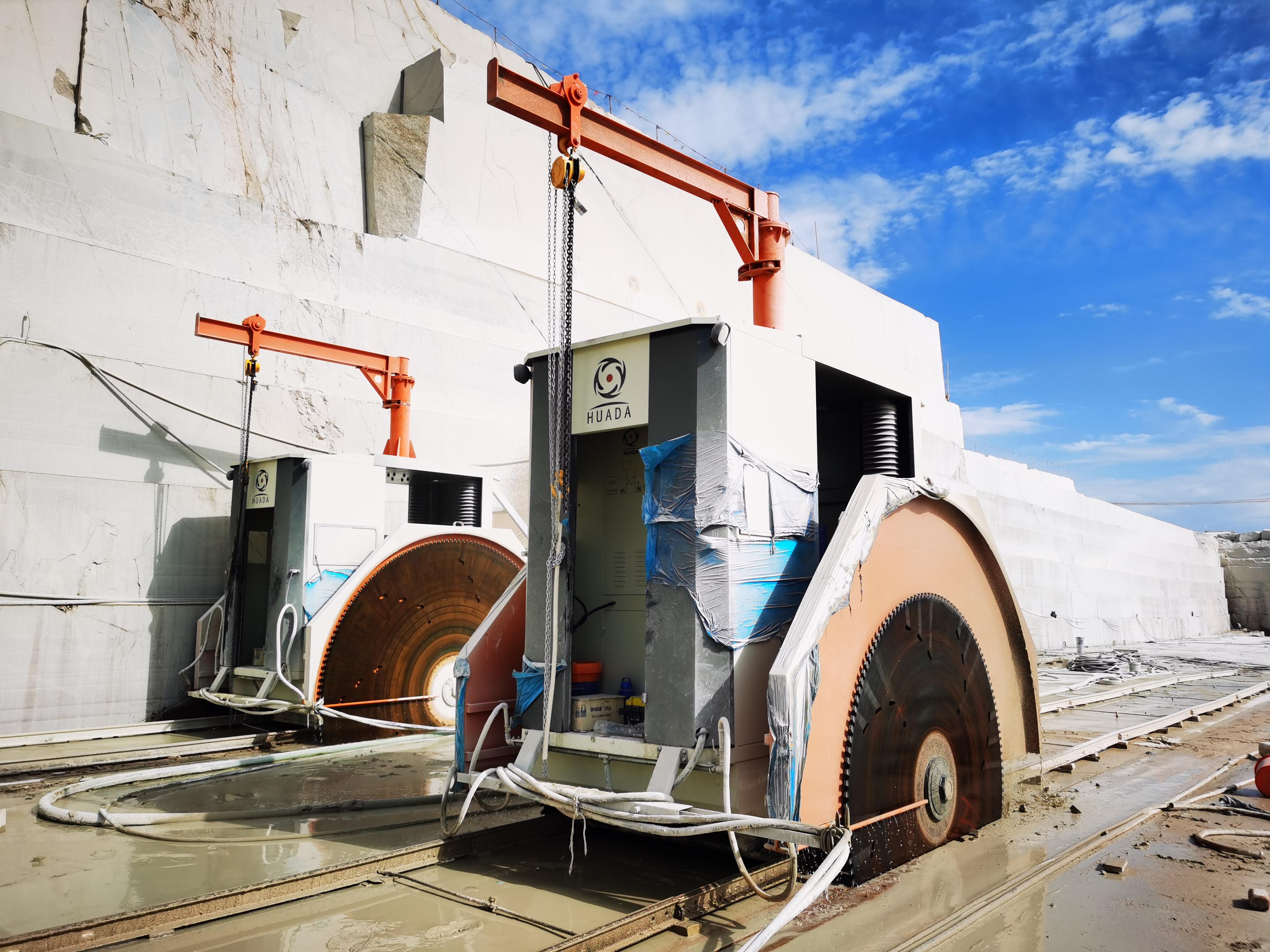
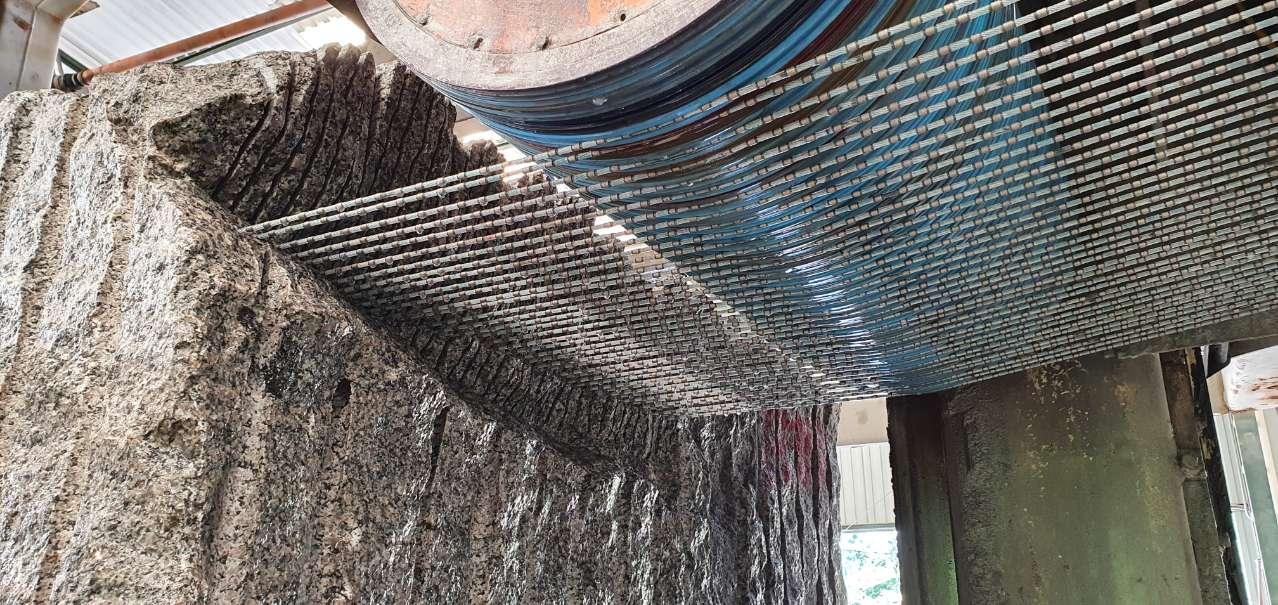
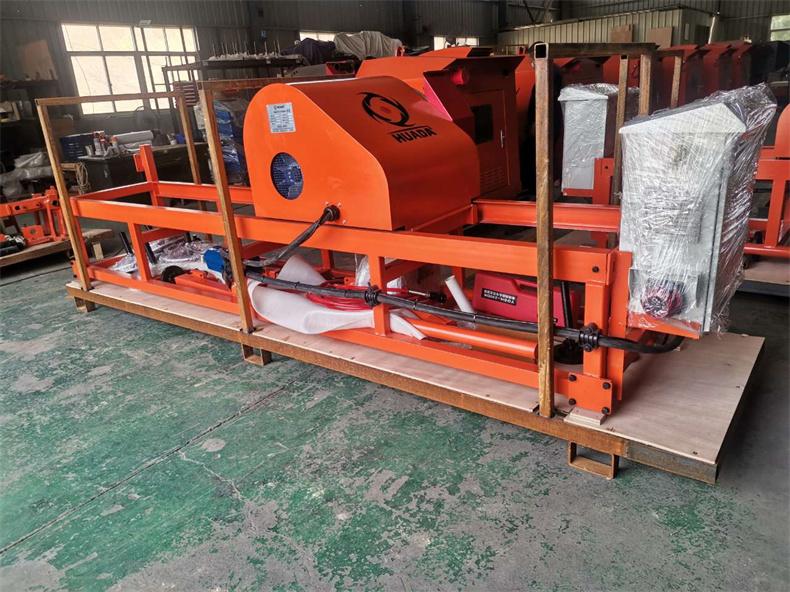
A practical review of “Market Analysis of Hard Rock Cutting Machine” should retain a representative test, machine configuration, measured result and written acceptance checklist. Photographs and brochures help identify the offered configuration, but they do not replace a test condition, measured result or signed scope. Record settings for tool condition, alignment, feed, cooling, machine settings, work support and operator procedure so the accepted result can be repeated.
Decision and acceptance table
| Decision point | What to define | Evidence to keep |
|---|---|---|
| Application | material, dimensions, access, target output, utilities, tooling, safety controls and service scope | Written job or product brief |
| Operating window | tool condition, alignment, feed, cooling, machine settings, work support and operator procedure | Recorded trial settings and observations |
| Acceptance | a representative test, machine configuration, measured result and written acceptance checklist | Signed sample, cut record or inspection note |
| Risk control | comparing one headline specification without defining the material, process and acceptance boundary | Named corrective action and stop condition |
Buyer and operator checklist
- Material and cut or hole dimensions for Market Analysis of Hard Rock Cutting Machine
- Offered stone cutting equipment configuration and included tooling
- Power, water, compressed air, access and lifting requirements
- Settings and checks covering tool condition, alignment, feed, cooling, machine settings, work support and operator procedure
- Factory or site acceptance method and responsible people
- Training, critical spares, manuals and service response boundary
Frequently asked questions
What should be confirmed first for Market Analysis of Hard Rock Cutting Machine?
For Market Analysis of Hard Rock Cutting Machine, start with material, dimensions, access, target output, utilities, tooling, safety controls and service scope. Those inputs determine whether the proposed stone cutting equipment and tool are relevant.
How should performance for Market Analysis of Hard Rock Cutting Machine be verified?
For Market Analysis of Hard Rock Cutting Machine, use a representative test, machine configuration, measured result and written acceptance checklist. Keep the material, operating conditions and acceptance criteria with the result.
Which settings matter during Market Analysis of Hard Rock Cutting Machine?
For Market Analysis of Hard Rock Cutting Machine, record tool condition, alignment, feed, cooling, machine settings, work support and operator procedure. A result without its settings is difficult to reproduce or compare.
When should work on Market Analysis of Hard Rock Cutting Machine be paused?
For Market Analysis of Hard Rock Cutting Machine, pause when the workpiece, support, guarding, utilities or cutting condition is unsafe, or when comparing one headline specification without defining the material, process and acceptance boundary is observed.