Use “Efficient Utilization of Rock Mining Machines” as a decision brief for a stone quarrying equipment: define geology, bench geometry, block plan, recovery target, available utilities, access and downstream handling, verify cut and hole layout, equipment sequence, water and air supply, bench condition and block movement and retain a quarry survey, block plan, equipment flow, trial result and operating-risk review before approval.
Technical context for Efficient Utilization of Rock Mining Machines
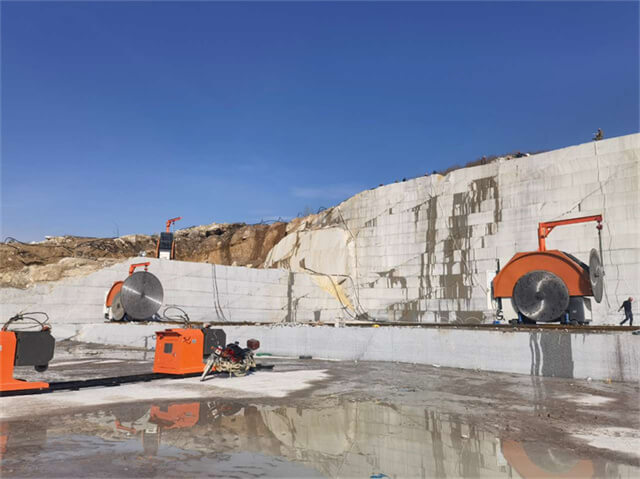
Efficient Utilization of Rock Mining Machines
Introduction
Rock mining machines play a critical role in extracting valuable minerals and resources from the earth's crust. However, ensuring their efficient utilization is crucial to maximize productivity and minimize operational costs. This article aims to explore various strategies and technologies that can enhance the efficiency of rock mining machines, ultimately leading to improved performance and profitability.
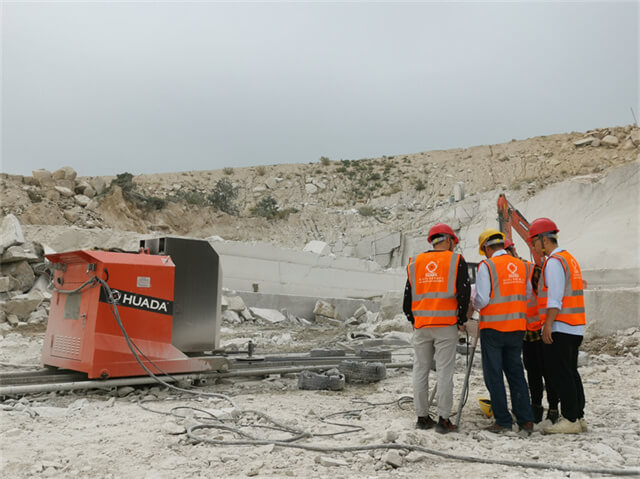
1. Advanced Equipment Maintenance
Maintaining rock mining machines in optimal condition is essential for their efficient utilization. Regular inspections, lubrication, and preventive maintenance are key practices that can prevent breakdowns and downtime. Utilizing advanced monitoring technologies, such as sensors and telematics systems, can provide real-time data regarding machine health, allowing proactive maintenance and minimizing unplanned repairs. Additionally, investing in training programs for machine operators and technicians is vital to ensure proper handling and care of the equipment.
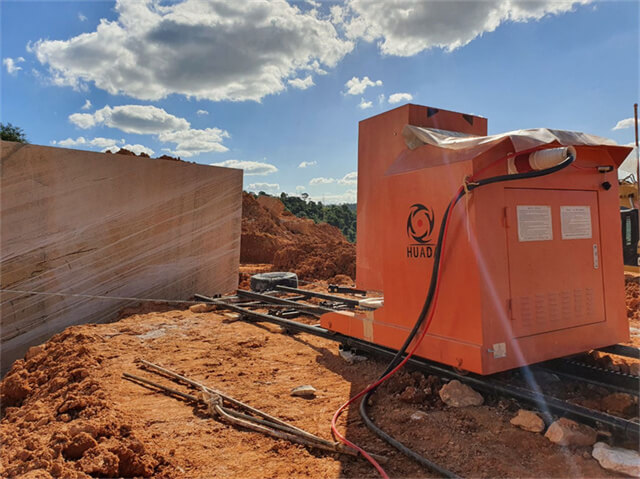
2. Optimization of Worksite Operations
Efficiency can be significantly improved by optimizing worksite operations. Employing accurate geological surveys and analysis can help identify areas with higher mineral concentrations, enabling targeted mining and reducing unnecessary excavation. Furthermore, implementing automated systems and robotics can streamline various tasks, such as drilling, blasting, and material hauling. These technologies not only increase productivity but also enhance safety by minimizing human exposure to hazardous work environments. Additionally, adopting digital platforms for real-time collaboration and communication between different teams can improve coordination and decision-making efficiency.
3. Energy Management and Sustainability
Energy consumption is a significant cost factor in rock mining operations. Implementing energy-efficient technologies, such as electric-powered machines and renewable energy sources, can reduce fuel consumption and carbon emissions. Optimal planning of machine routes and load management can minimize unnecessary travel and idle time, further improving energy efficiency. Additionally, adopting sustainable practices, such as recycling and proper waste management, can contribute to minimizing the environmental impact of mining operations.
Conclusion
Efficient utilization of rock mining machines is essential for maximizing productivity and profitability in the mining industry. By implementing advanced equipment maintenance practices, optimizing worksite operations, and focusing on energy management and sustainability, mining companies can achieve significant improvements in efficiency. It is crucial for industry stakeholders to invest in research and development, collaborate with technology providers, and promote training and education in order to leverage the full potential of rock mining machines and drive sustainable growth in the sector.

Control the main operating risk
The recurring risk in “Efficient Utilization of Rock Mining Machines” is selecting individual machines before the quarry sequence, utilities and block-handling route are defined. Set a stop condition, assign who checks the machine and tool, and keep changes traceable. If the result moves outside the agreed window, investigate the material, alignment, tooling and utilities before adding load or speed.
Define the application before comparing equipment
For “Efficient Utilization of Rock Mining Machines,” write down geology, bench geometry, block plan, recovery target, available utilities, access and downstream handling. This separates a real project requirement from a search phrase and gives every supplier the same boundary. The proposed stone quarrying equipment can then be checked against the material, site and required result instead of being accepted by name alone.
Use evidence that can be retained
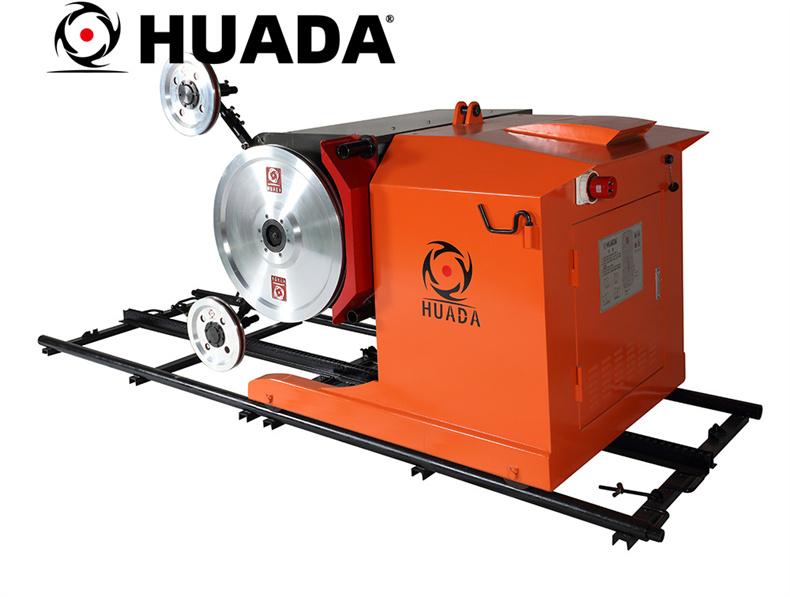
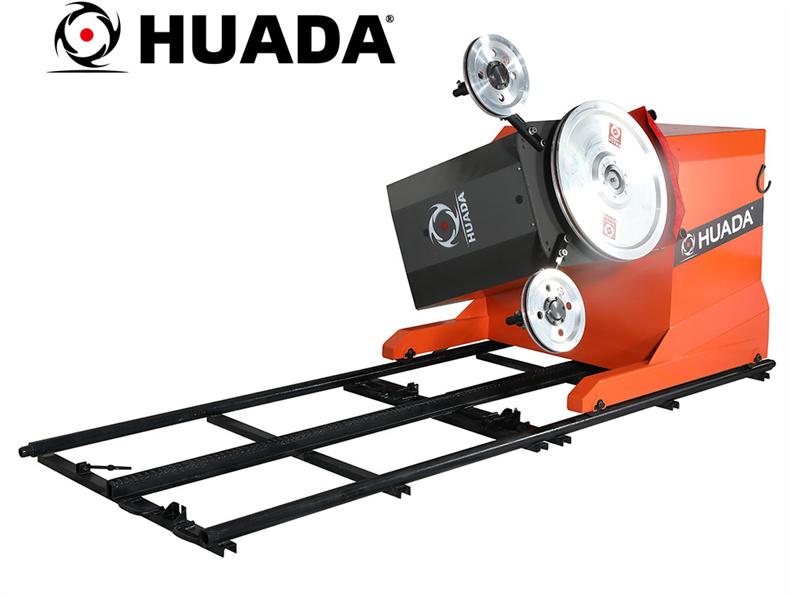
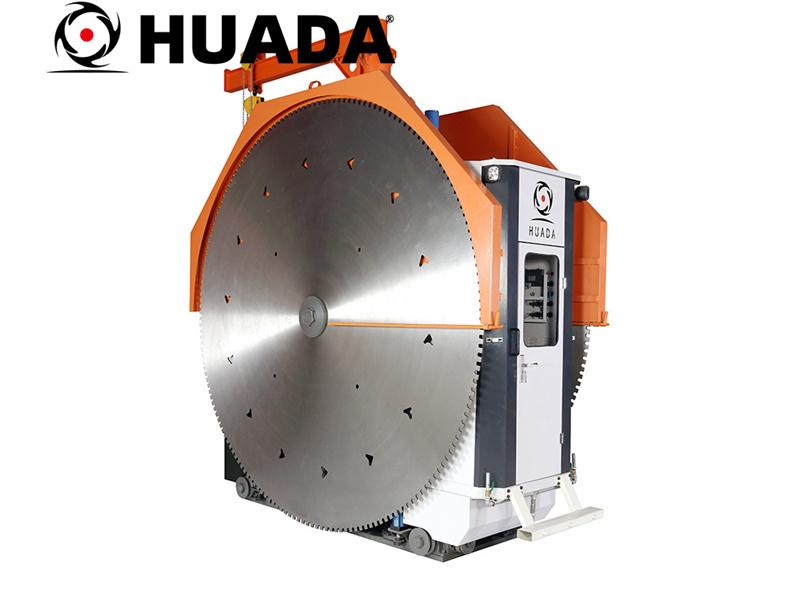
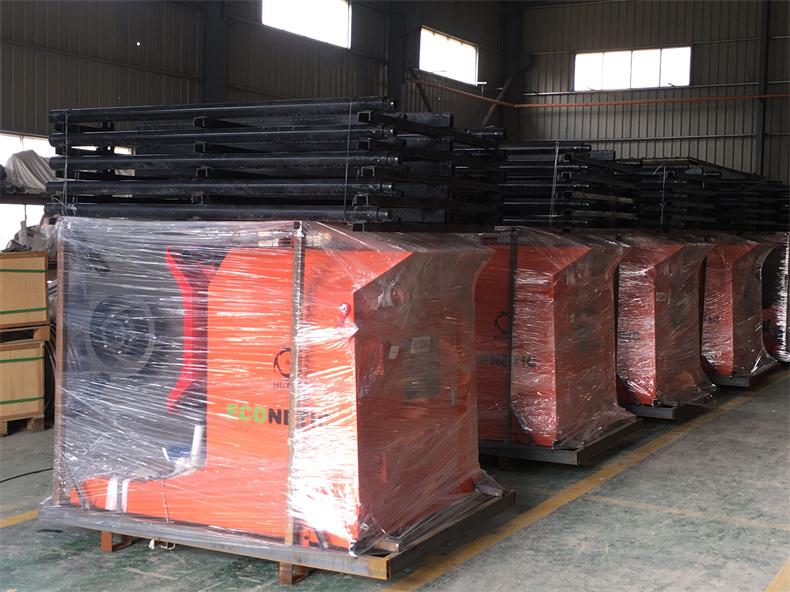
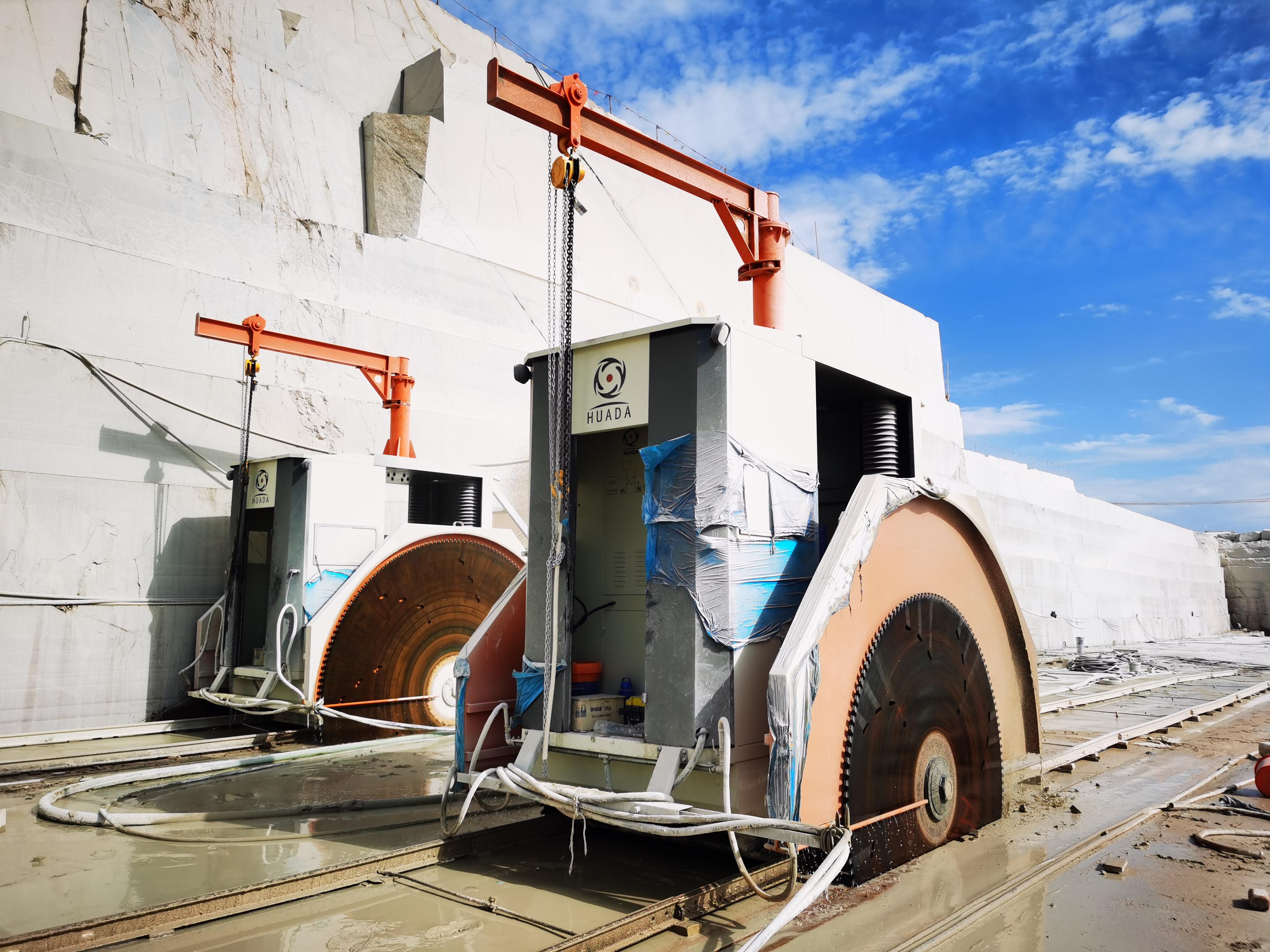
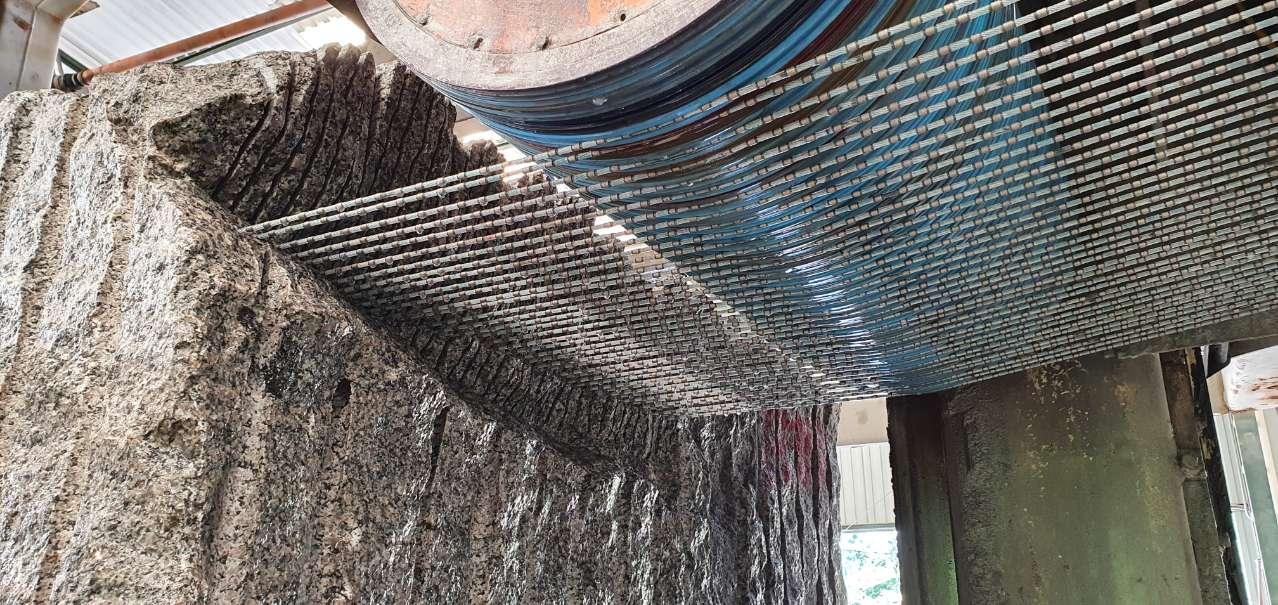
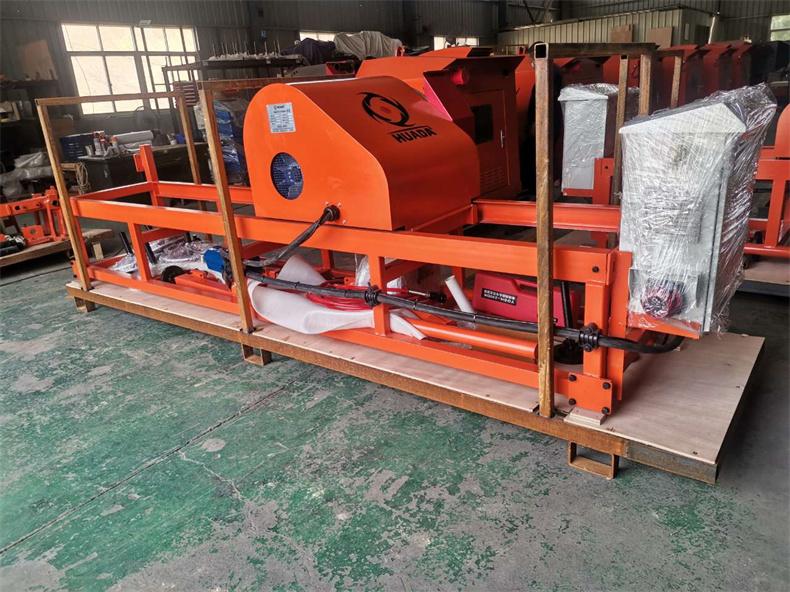
A practical review of “Efficient Utilization of Rock Mining Machines” should retain a quarry survey, block plan, equipment flow, trial result and operating-risk review. Photographs and brochures help identify the offered configuration, but they do not replace a test condition, measured result or signed scope. Record settings for cut and hole layout, equipment sequence, water and air supply, bench condition and block movement so the accepted result can be repeated.
Decision and acceptance table
| Decision point | What to define | Evidence to keep |
|---|---|---|
| Application | geology, bench geometry, block plan, recovery target, available utilities, access and downstream handling | Written job or product brief |
| Operating window | cut and hole layout, equipment sequence, water and air supply, bench condition and block movement | Recorded trial settings and observations |
| Acceptance | a quarry survey, block plan, equipment flow, trial result and operating-risk review | Signed sample, cut record or inspection note |
| Risk control | selecting individual machines before the quarry sequence, utilities and block-handling route are defined | Named corrective action and stop condition |
Buyer and operator checklist
- Material and cut or hole dimensions for Efficient Utilization of Rock Mining Machines
- Offered stone quarrying equipment configuration and included tooling
- Power, water, compressed air, access and lifting requirements
- Settings and checks covering cut and hole layout, equipment sequence, water and air supply, bench condition and block movement
- Factory or site acceptance method and responsible people
- Training, critical spares, manuals and service response boundary
Frequently asked questions
What should be confirmed first for Efficient Utilization of Rock Mining Machines?
For Efficient Utilization of Rock Mining Machines, start with geology, bench geometry, block plan, recovery target, available utilities, access and downstream handling. Those inputs determine whether the proposed stone quarrying equipment and tool are relevant.
How should performance for Efficient Utilization of Rock Mining Machines be verified?
For Efficient Utilization of Rock Mining Machines, use a quarry survey, block plan, equipment flow, trial result and operating-risk review. Keep the material, operating conditions and acceptance criteria with the result.
Which settings matter during Efficient Utilization of Rock Mining Machines?
For Efficient Utilization of Rock Mining Machines, record cut and hole layout, equipment sequence, water and air supply, bench condition and block movement. A result without its settings is difficult to reproduce or compare.
When should work on Efficient Utilization of Rock Mining Machines be paused?
For Efficient Utilization of Rock Mining Machines, pause when the workpiece, support, guarding, utilities or cutting condition is unsafe, or when selecting individual machines before the quarry sequence, utilities and block-handling route are defined is observed.