
Granite, marble, sandstone, and slate appear as four headings in the archived article. This ledger preserves that non-exhaustive vocabulary while separating geological terms, commercial labels, observed descriptions, and application decisions. The headings are starting points for source review, not complete definitions.
Classification depends on the named authority and purpose
A term can carry different scope in geological description, commercial stone practice, a project specification, or a product record. A reliable entry therefore names the term, the source or standard using it, the edition or date, the context, and the specimen or material record. Without those fields, a category remains unbound.
Granite entry
The archive uses granite as a heading and connects it with a magmatic-rock discussion. That is enough to preserve the term as a source-ledger entry. The old ranking language and undated percentages are excluded. Any geological or commercial definition requires its own named reference and material scope.

Marble entry
The saved page associates marble with metamorphic and carbonate terminology, but it does not name the standard needed to interpret its threshold or broad list. A current ledger should keep geological and commercial meanings visibly separate and record which authority is being followed. No universal composition rule is asserted here.
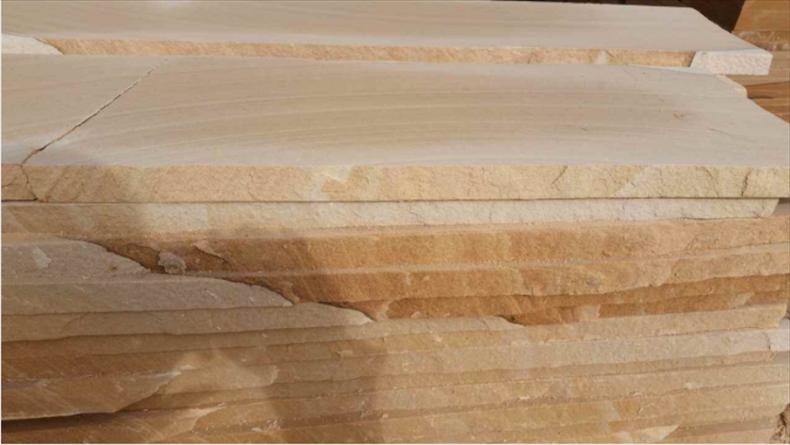
Sandstone entry
Sandstone is retained as a category word from the source. The archived formation narrative, softness wording, and application examples are not treated as universal facts. A narrower description would need an identified specimen or source, the relevant geological reference, and the project document that owns any use decision.
Slate entry
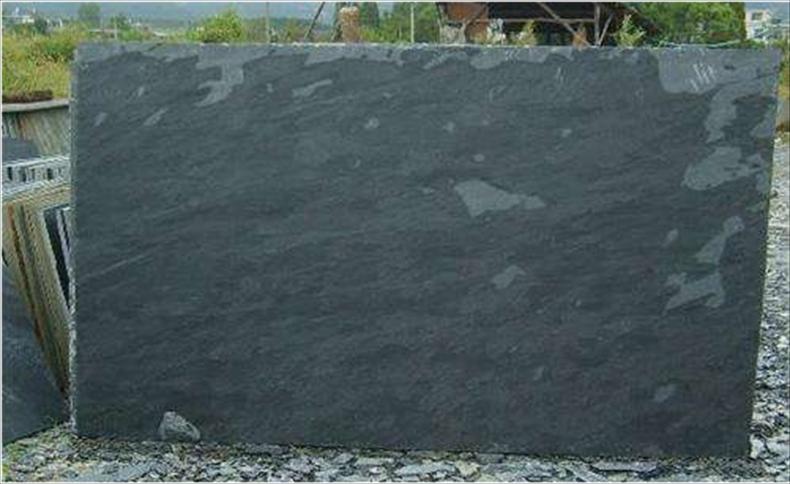
The archive places slate under a metamorphic-rock heading and discusses structure, parent material, and color. Those subjects belong in a source request, not in an all-purpose definition. The ledger makes no claim about cleavage, recrystallization, composition, appearance, or suitability for an unidentified material.
Source fields for a classification record
| Ledger field | Question the record answers | What the field prevents |
|---|---|---|
| Authority and edition | Which named source uses the term, and when? | An archived sentence being treated as a universal standard |
| Terminology context | Is the word geological, commercial, contractual, or descriptive? | Different classification systems being silently merged |
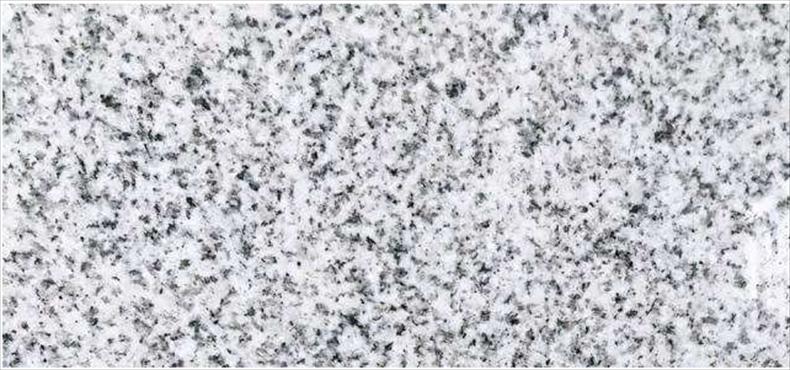
| Material identity | Which specimen, source location, or documented lot is described? | An image or category heading being mistaken for identification |
| Property evidence | Which scoped test or cited reference supports a specific statement? | Rankings, percentages, composition, or formation claims without evidence |
| Decision ownership | Which project authority interprets the record for its intended purpose? | A terminology page becoming an application-fit conclusion |
Bounded reading of the archive
The historical record can establish that granite, marble, sandstone, and slate were used as organizing terms and that composition or formation, texture or structure, and intended use were discussed as evidence topics. It cannot establish a complete taxonomy or a decision about any stone.