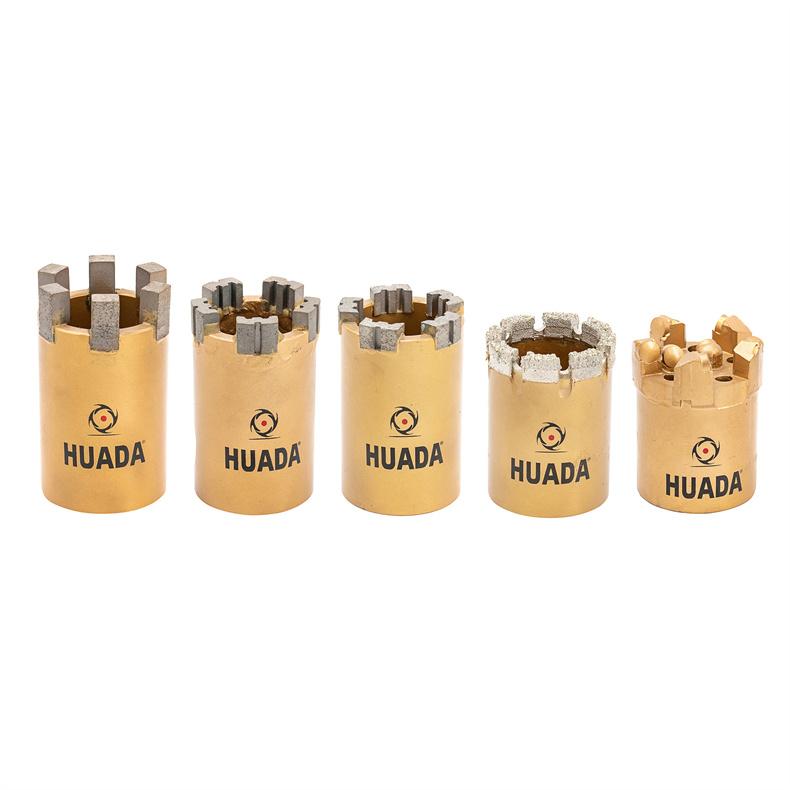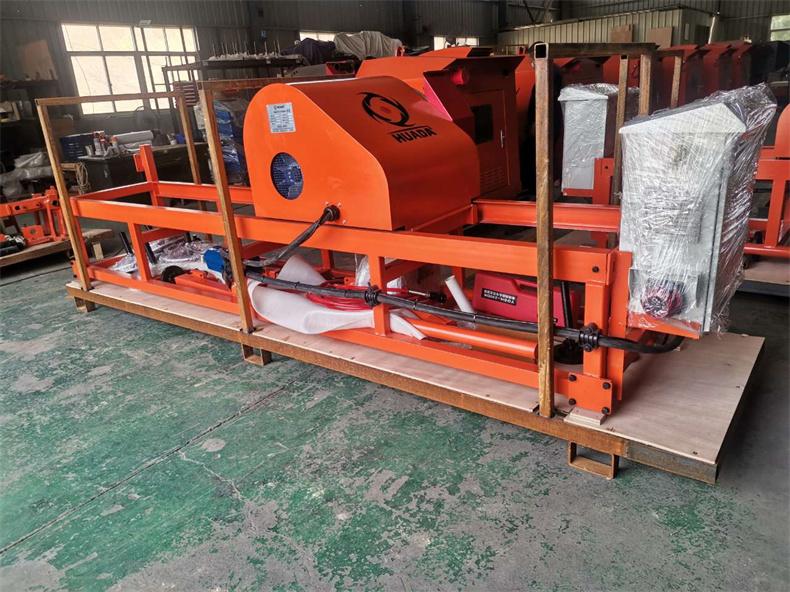

The frozen archive uses the labels core bit or hollow bit and coreless bit. It associates those terms with different treatment of a stone core, but supplies no current product catalog, rig identity, interface record, rock characterization, bore objective, or manufacturer approval that would support a recommendation.
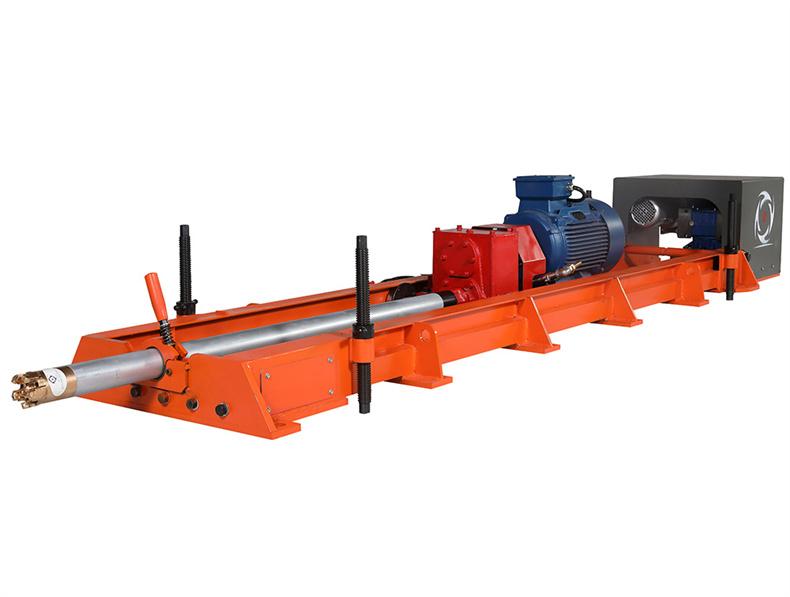
Two archived labels, neither a complete catalog
Core bit or hollow bit
The old text links this label with retaining a stone core. That is preserved as archived terminology only, not as a statement about every product carrying the name or about compatibility with the machine in the title.
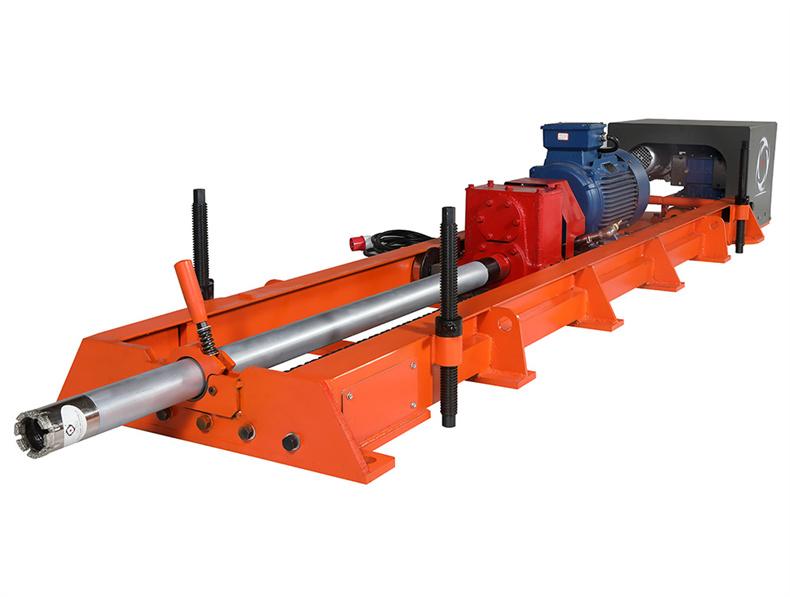
Coreless bit
The source links this label with breaking rather than retaining the stone core. No exact design, catalog definition, interface, material scope, or bore-purpose record makes the label a selection rule.
The two terms are not presented here as exhaustive categories. Current manufacturer documentation may use additional distinctions, and this page does not infer them.
Selection starts with evidence questions, not a hardness rule
- What exact horizontal boring machine designation and controlled interface document belong to the enquiry?
- Is the requested evidence a retained core, another bore outcome, or a project record with different acceptance criteria?
- Which dated rock characterization and specimen identity belong to the same location and scope?
- Which current bit designation, manufacturer table, and documented compatibility statement apply to that exact machine interface?
- Which witnessed record and responsible authority will accept or reject the proposed match without turning one case into a universal rule?
What the archive cannot decide
- Material mapping
- No validated evidence connects a hardness category to either archived label.
- Machine compatibility
- No exact rig model, spindle or interface document is attached to the legacy assertions.
- Catalog completeness
- The historic two-label split is not supported as an exhaustive current taxonomy.
- Outcome evidence
- No controlled comparison supports an efficiency, cost, quality, or service-life conclusion.