For “Why does the diamond wire saw cutting machine need water cooling when working?,” the core principle is a driven loop of diamond wire guided around pulleys while controlled tension, feed and cooling support the cut. Performance still depends on the material, cut size, access, pulley layout, drive power, wire specification and required finish; confirm these conditions before using one result as a general specification.
Technical context for Why does the diamond wire saw cutting machine need water cooling when working?
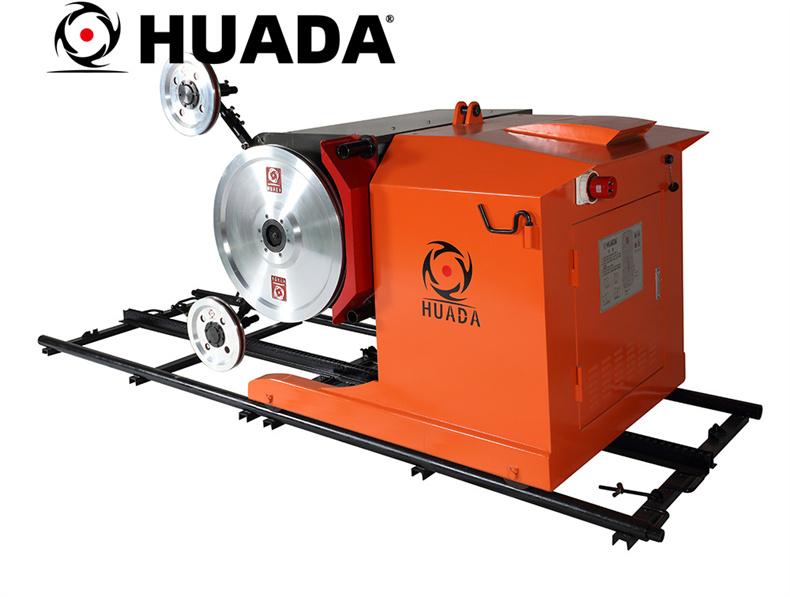
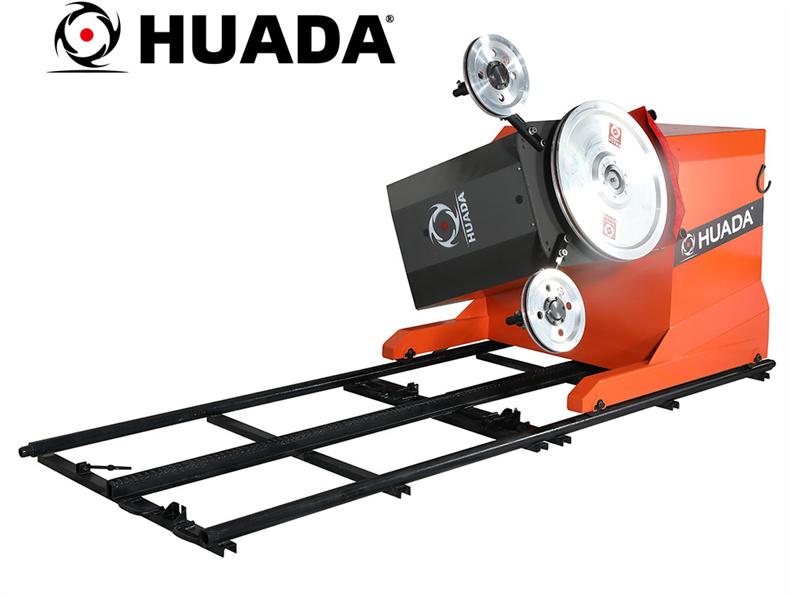
Diamond wire saw machine is a kind of professional stone mining equipment, which is widely used in all kinds of stone mining. In the process of stone mining, water needs to be added for cooling. This article will introduce why the diamond wire saw cutting machine needs water cooling when working.
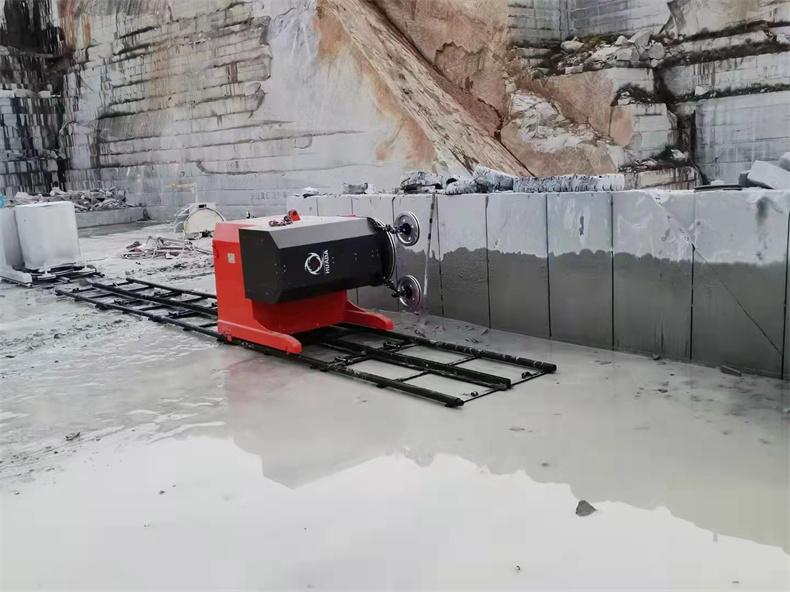
The effect of adding water to cool the diamond wire saw cutting machine when it is working
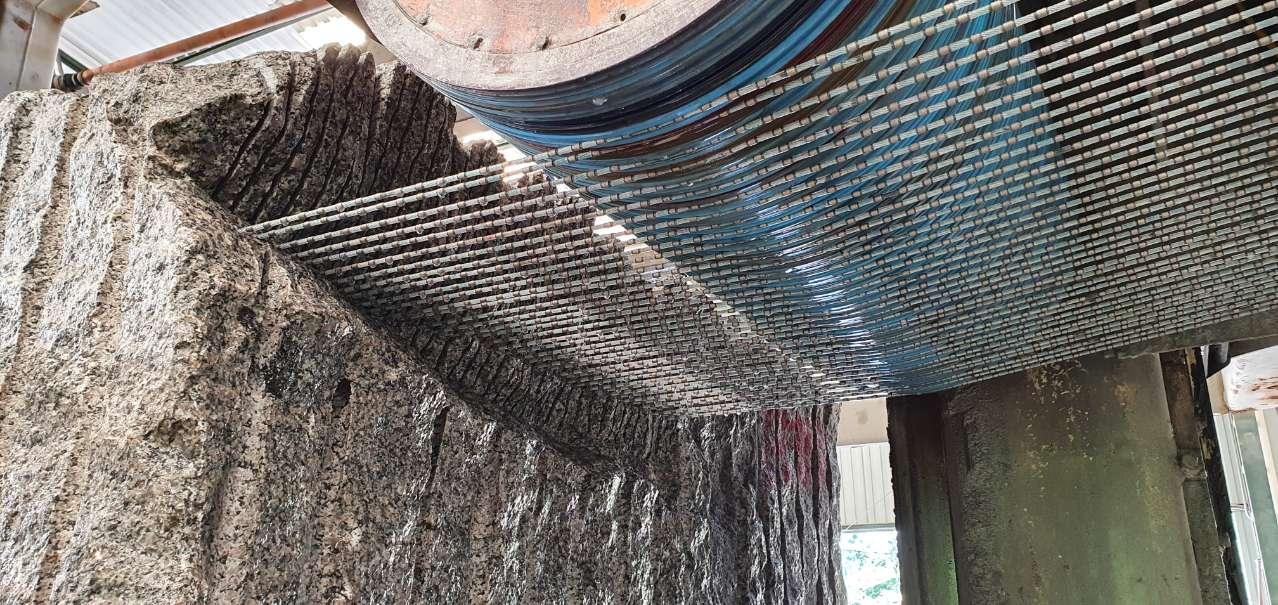
During the cutting process of the wire saw machine, water must be continuously supplied. In addition to washing and removing the mud in the saw gap, the water supply also plays a role in cooling the diamond beaded rope, thereby increasing the service life of the beaded rope. Since diamond is composed of carbon, its physical properties will be reduced by heating. When the temperature rises to 950 degrees Celsius, it will be oxidized (the combustion of fine powder diamond can generate carbon dioxide) and lose its sawing performance. Therefore, sufficient cooling water and correct supply are important guarantees for improving the quality of sawing and reducing the wear of the beaded rope.
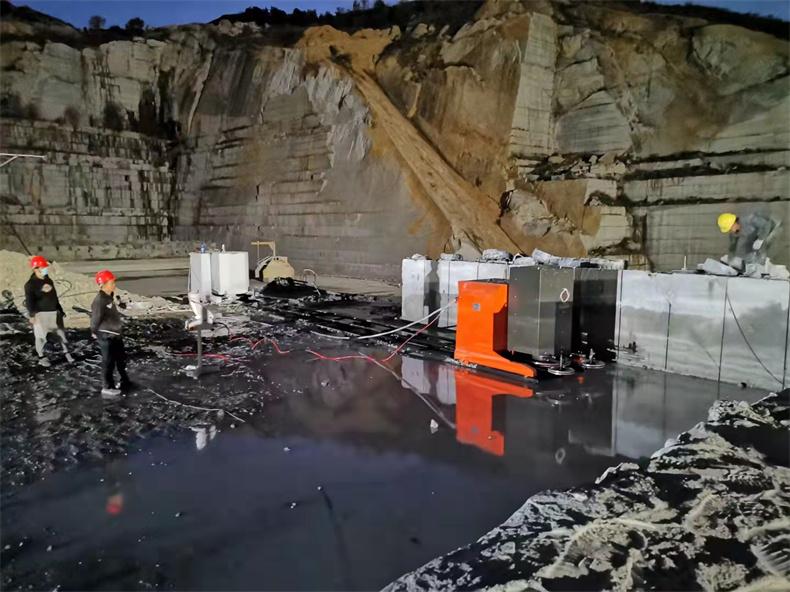
Precautions for water cooling of diamond wire saw cutting machine
Generally speaking, the cooling water is not less than 15L per minute. The quality of the water is also very important. It is best to use soft water without sediment. When adding water, the water should be injected from the rope direction towards the saw gap.

Use evidence that can be retained
A practical review of “Why does the diamond wire saw cutting machine need water cooling when working?” should retain a representative cut record, wire-consumption notes, surface condition and a configuration drawing. Photographs and brochures help identify the offered configuration, but they do not replace a test condition, measured result or signed scope. Record settings for wire speed, feed rate, tension, cooling-water delivery, guide-wheel alignment and cut clearance so the accepted result can be repeated.
Control the main operating risk
The recurring risk in “Why does the diamond wire saw cutting machine need water cooling when working?” is poor pulley alignment, inadequate cooling, unsuitable wire or an unstable feed setting. Set a stop condition, assign who checks the machine and tool, and keep changes traceable. If the result moves outside the agreed window, investigate the material, alignment, tooling and utilities before adding load or speed.
Define the application before comparing equipment
For “Why does the diamond wire saw cutting machine need water cooling when working?,” write down the material, cut size, access, pulley layout, drive power, wire specification and required finish. This separates a real project requirement from a search phrase and gives every supplier the same boundary. The proposed wire saw machine can then be checked against the material, site and required result instead of being accepted by name alone.
Decision and acceptance table
| Decision point | What to define | Evidence to keep |
|---|---|---|
| Application | the material, cut size, access, pulley layout, drive power, wire specification and required finish | Written job or product brief |
| Operating window | wire speed, feed rate, tension, cooling-water delivery, guide-wheel alignment and cut clearance | Recorded trial settings and observations |
| Acceptance | a representative cut record, wire-consumption notes, surface condition and a configuration drawing | Signed sample, cut record or inspection note |
| Risk control | poor pulley alignment, inadequate cooling, unsuitable wire or an unstable feed setting | Named corrective action and stop condition |
Buyer and operator checklist
- Material and cut or hole dimensions for Why does the diamond wire saw cutting machine need water cooling when working?
- Offered wire saw machine configuration and included tooling
- Power, water, compressed air, access and lifting requirements
- Settings and checks covering wire speed, feed rate, tension, cooling-water delivery, guide-wheel alignment and cut clearance
- Factory or site acceptance method and responsible people
- Training, critical spares, manuals and service response boundary
Frequently asked questions
What should be confirmed first for Why does the diamond wire saw cutting machine need water cooling when working??
For Why does the diamond wire saw cutting machine need water cooling when working?, start with the material, cut size, access, pulley layout, drive power, wire specification and required finish. Those inputs determine whether the proposed wire saw machine and tool are relevant.
How should performance for Why does the diamond wire saw cutting machine need water cooling when working? be verified?
For Why does the diamond wire saw cutting machine need water cooling when working?, use a representative cut record, wire-consumption notes, surface condition and a configuration drawing. Keep the material, operating conditions and acceptance criteria with the result.
Which settings matter during Why does the diamond wire saw cutting machine need water cooling when working??
For Why does the diamond wire saw cutting machine need water cooling when working?, record wire speed, feed rate, tension, cooling-water delivery, guide-wheel alignment and cut clearance. A result without its settings is difficult to reproduce or compare.
When should work on Why does the diamond wire saw cutting machine need water cooling when working? be paused?
For Why does the diamond wire saw cutting machine need water cooling when working?, pause when the workpiece, support, guarding, utilities or cutting condition is unsafe, or when poor pulley alignment, inadequate cooling, unsuitable wire or an unstable feed setting is observed.