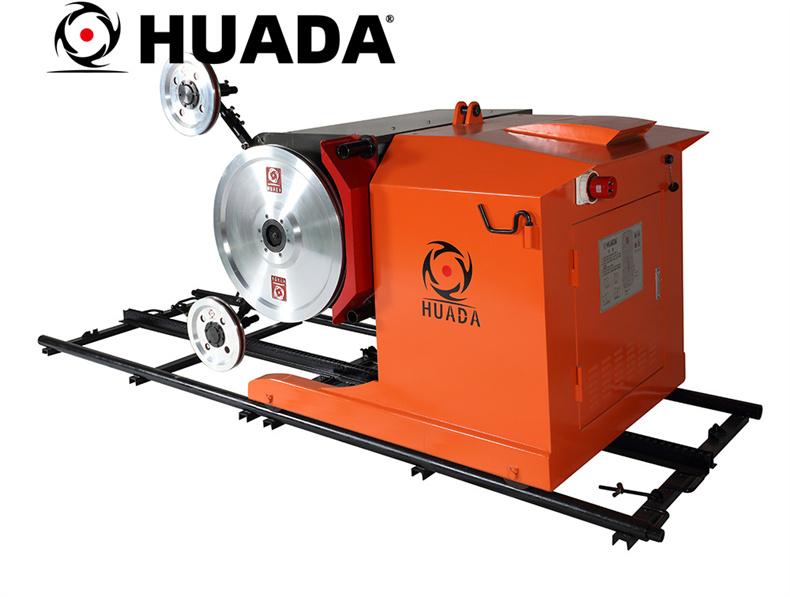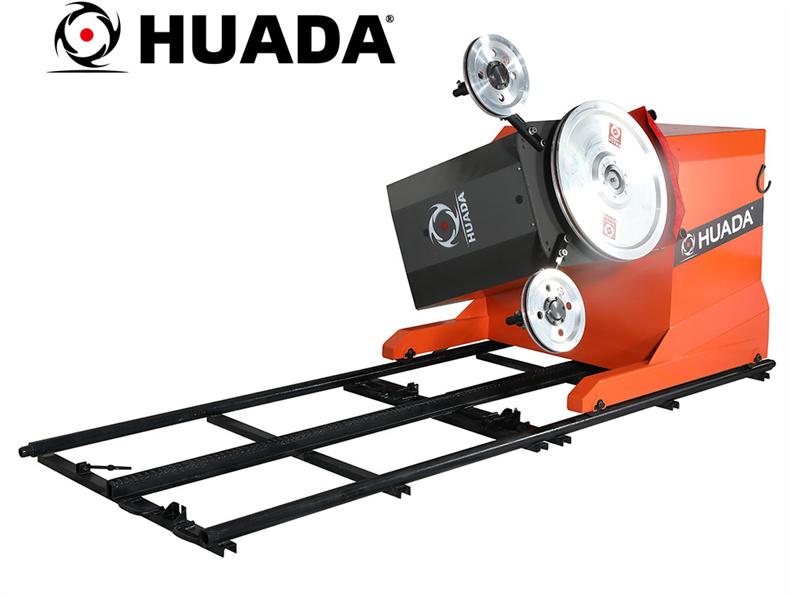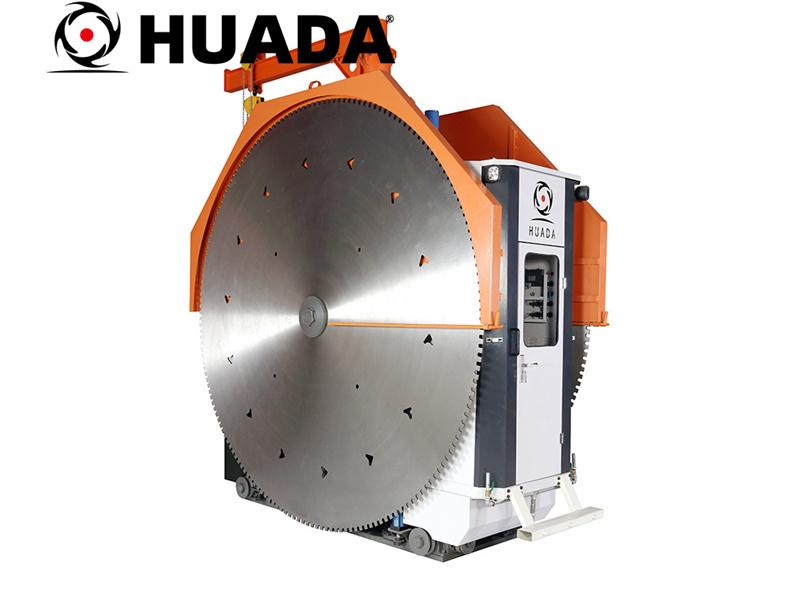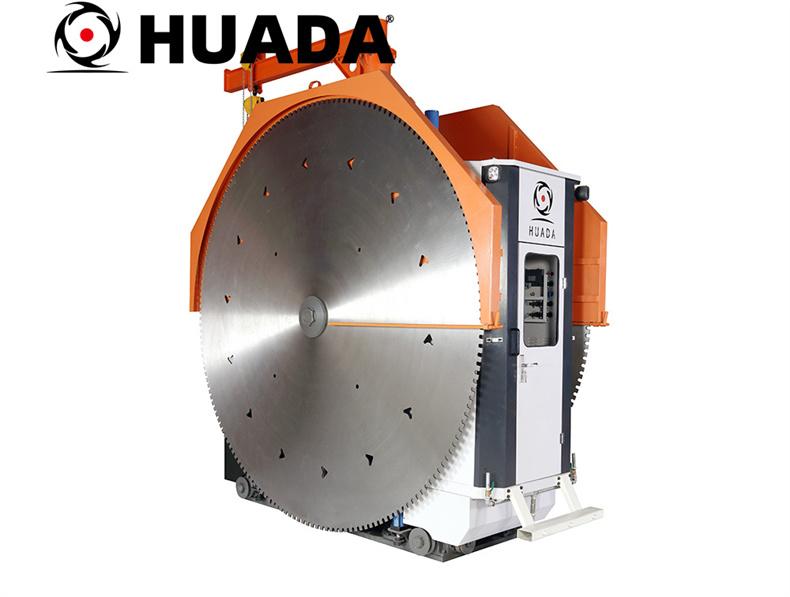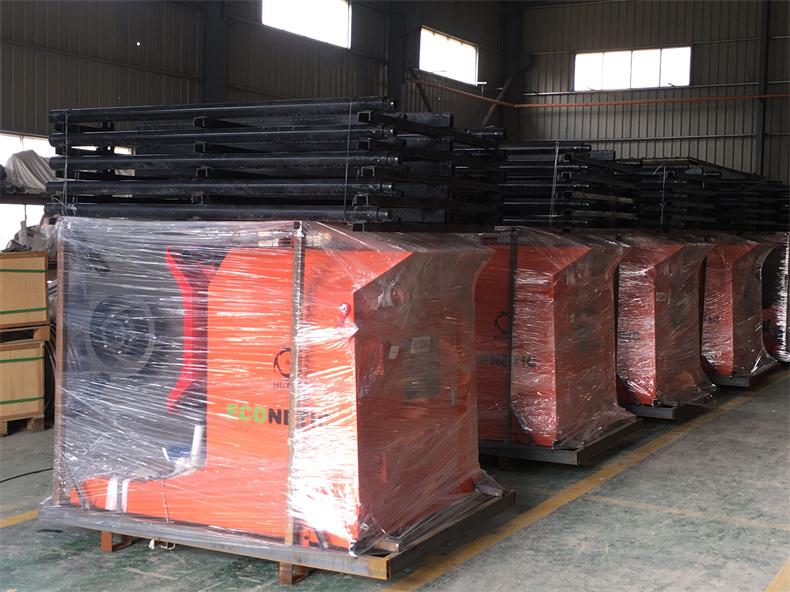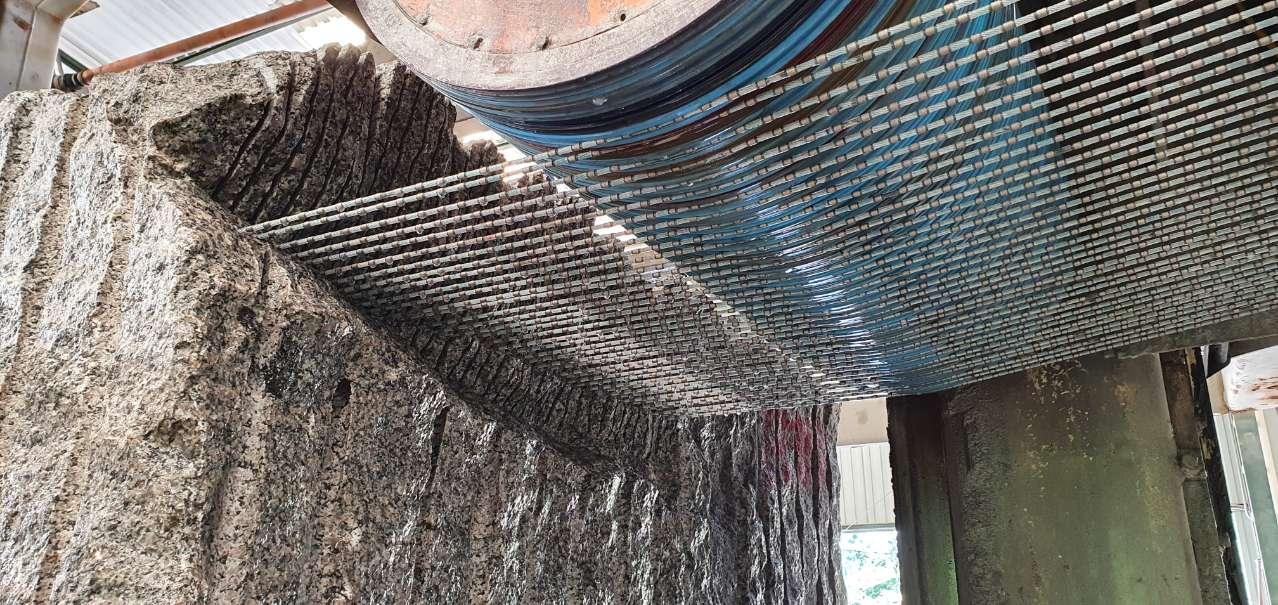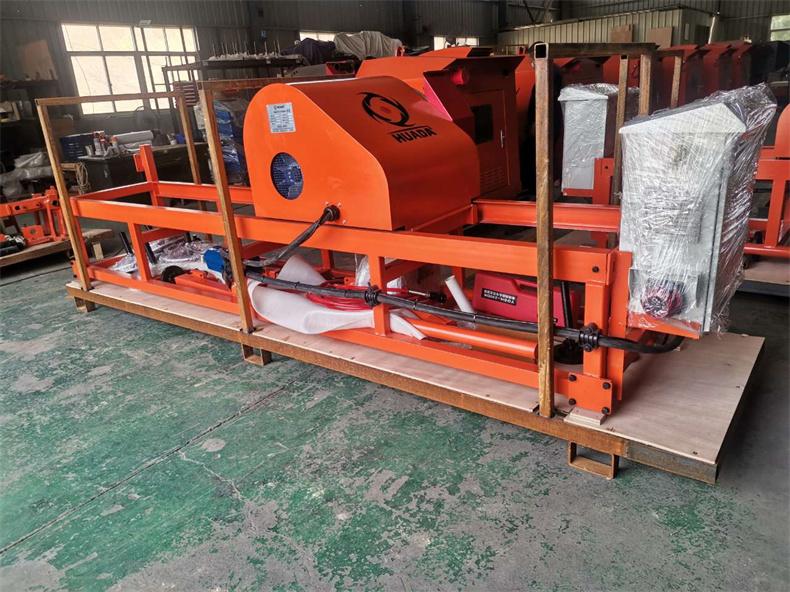

The frozen source describes trimming as one possible disposition for stone left outside a planned block specification because of visible cracks, colour variation, or unsuitable dimensions. This page keeps that narrow historical context while separating it from machine selection, lifting, setup, or production advice.
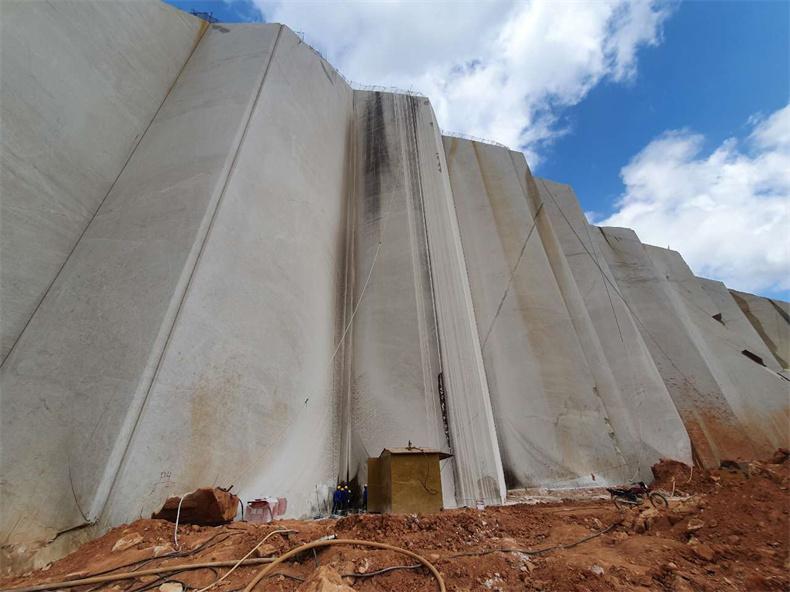
Record why a block needs a disposition decision
The archived article names natural cracks, colour lines or spots, and dimensions that do not match the intended standard block. These are record categories, not acceptance limits. A current file should identify the observed condition, the intended downstream dimensions, and the person responsible for deciding whether the material is held, reclassified, or reviewed for another use.
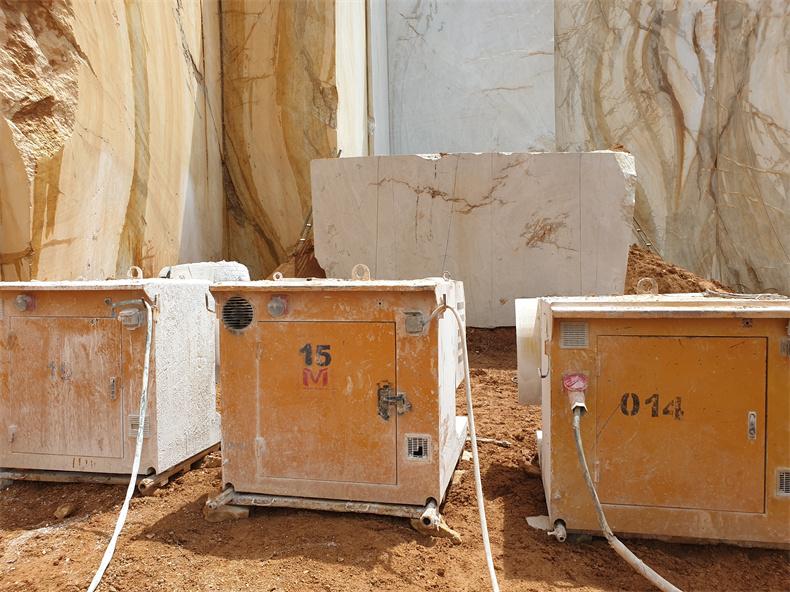
No photograph on this page establishes internal soundness, saleable recovery, or fitness for a later process. Those conclusions require current inspection evidence and the applicable project criteria.
Keep archived method names non-operational
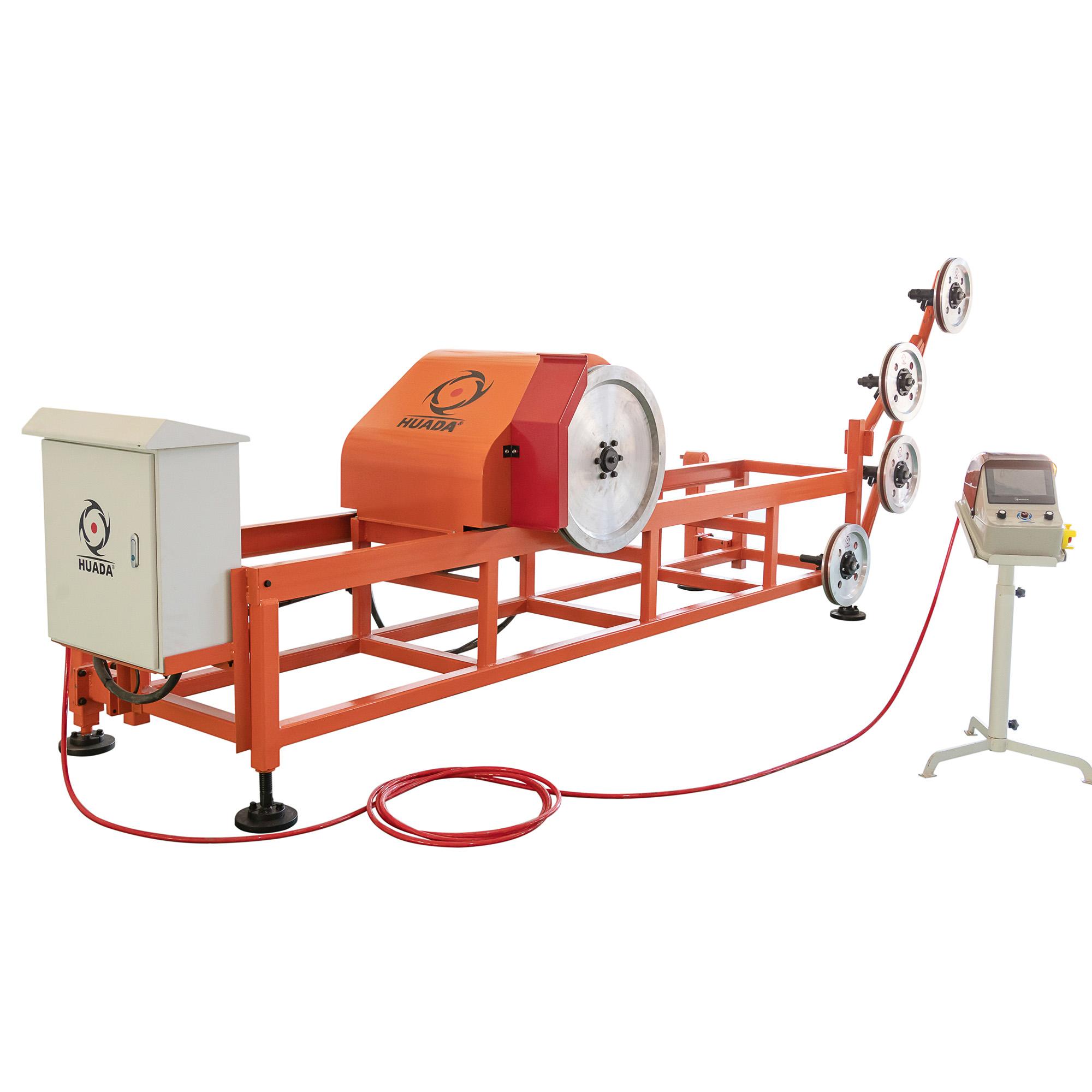
The source lists rope-saw reshaping, row-hole and splitting, a fixed string-saw reshaping machine, and a vehicle-mounted arm saw as method categories. The list can help index old records, but it does not show that every category suits the same stone, block geometry, site, or handling route.
A present-day decision needs model documentation, site constraints, stone evidence, support and handling plans, and responsible engineering review. The archived wording is not a substitute for any of those authorities.
Evidence boundary for a current enquiry
Use the article as a prompt to describe the stone condition and the required block destination. Ask the supplier to identify the exact offered model and the documents that govern its permitted application. Keep any angle, whole-machine movement, rope-path, speed, or service-life statement outside the decision unless current model-bound evidence is supplied and reviewed.
The safe outcome of this page is a traceable question set: what condition was observed, what destination is proposed, what evidence supports it, and who has authority to accept it. It is not a trimming procedure.