Use “What are the advantages of diamond grinding block?” as a decision brief for a diamond abrasive tool: define material, starting condition, target finish, tool geometry, grit sequence, machine and wet or dry use, verify tool speed, contact pressure, cooling, overlap, grit progression and tool wear and retain a sample finish, grit sequence, machine match and measured tool consumption before approval.
Technical context for What are the advantages of diamond grinding block?
Diamond grinding block is a kind of diamond tools, which is used to process all kinds of hard materials. What are the advantages of diamond grinding block?
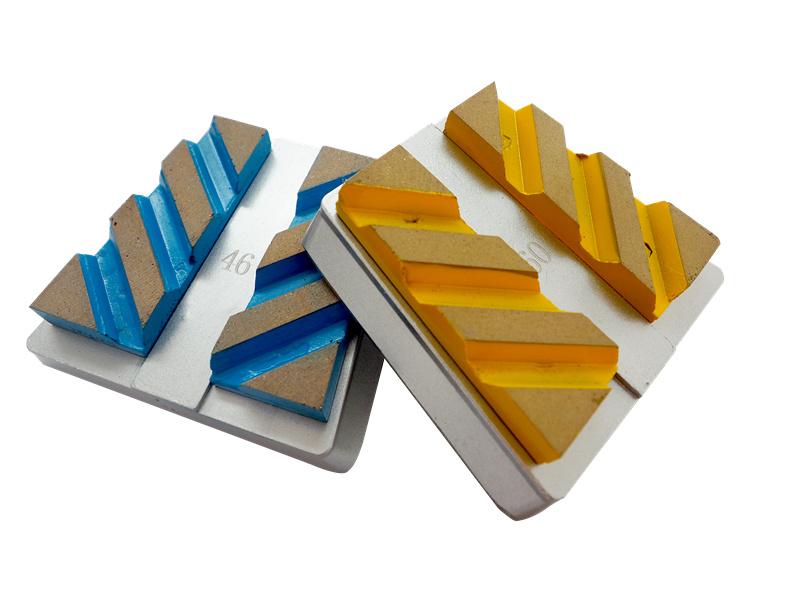
1、 Power saving
Diamond grinding block is used to grind stone due to its super sharpness. Because the pressure of the grinding head can be greatly reduced, the mechanical wear can be reduced. At the same time, the stone damage rate can be reduced by processing the same thickness of the plate, and the thinner stone plate can also be processed;
2、 Efficient
Because of the super sharpness and wear resistance, the diamond grinding block can steadily improve the transmission speed of the conveyor belt, so as to improve the production efficiency;
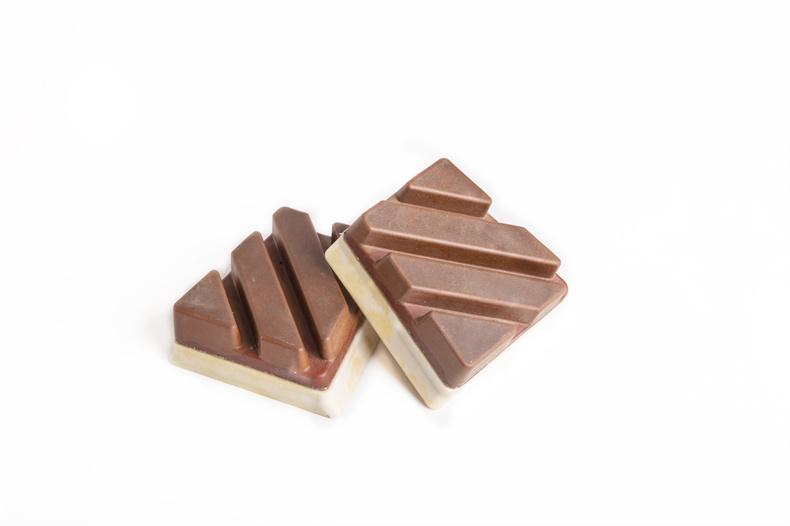
3、 High luminosity
The stone luminosity can be increased by more than 10 degrees with diamond grinding block. The quality of diamond grinding block is unstable due to the decrease of MgO activity and the change of maintenance conditions in the production process of diamond grinding block; Because the process of diamond production and detection and transportation is more strict than that of silicon carbide, the particle size uniformity of diamond is much greater than that of silicon carbide, so the possibility of stone scratch and photometric instability is greatly reduced;
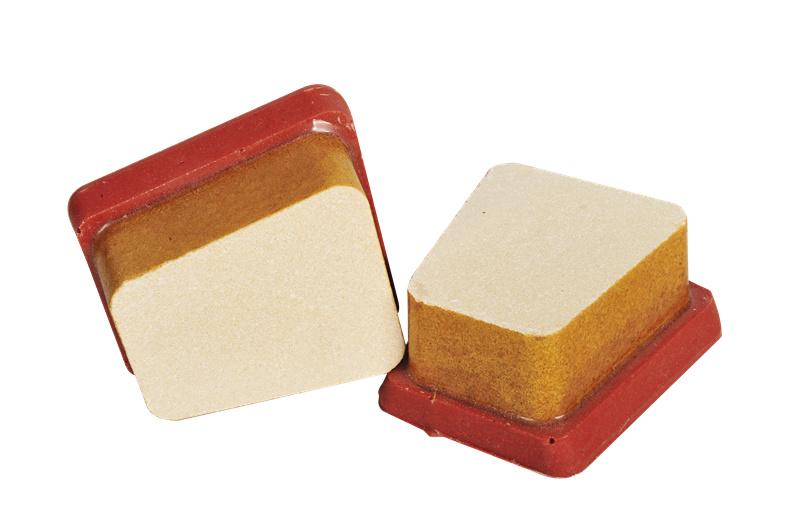
4、 Reliable quality
Due to the large-scale production of diamond, the price of diamond grinding block has been greatly reduced. In addition, the production of diamond grinding block can adopt computer-controlled production equipment and technology, while the production of diamond grinding block still adopts simple manual production equipment and technology, and the production cycle is more than one month, The time of affecting the quality is very long, and the quality cannot be stable.

Define the application before comparing equipment
For “What are the advantages of diamond grinding block?,” write down material, starting condition, target finish, tool geometry, grit sequence, machine and wet or dry use. This separates a real project requirement from a search phrase and gives every supplier the same boundary. The proposed diamond abrasive tool can then be checked against the material, site and required result instead of being accepted by name alone.
Use evidence that can be retained
A practical review of “What are the advantages of diamond grinding block?” should retain a sample finish, grit sequence, machine match and measured tool consumption. Photographs and brochures help identify the offered configuration, but they do not replace a test condition, measured result or signed scope. Record settings for tool speed, contact pressure, cooling, overlap, grit progression and tool wear so the accepted result can be repeated.
Control the main operating risk
The recurring risk in “What are the advantages of diamond grinding block?” is skipping grit stages or using excessive pressure to compensate for a mismatched tool. Set a stop condition, assign who checks the machine and tool, and keep changes traceable. If the result moves outside the agreed window, investigate the material, alignment, tooling and utilities before adding load or speed.
Decision and acceptance table
| Decision point | What to define | Evidence to keep |
|---|---|---|
| Application | material, starting condition, target finish, tool geometry, grit sequence, machine and wet or dry use | Written job or product brief |
| Operating window | tool speed, contact pressure, cooling, overlap, grit progression and tool wear | Recorded trial settings and observations |
| Acceptance | a sample finish, grit sequence, machine match and measured tool consumption | Signed sample, cut record or inspection note |
| Risk control | skipping grit stages or using excessive pressure to compensate for a mismatched tool | Named corrective action and stop condition |
Buyer and operator checklist
- Material and cut or hole dimensions for What are the advantages of diamond grinding block?
- Offered diamond abrasive tool configuration and included tooling
- Power, water, compressed air, access and lifting requirements
- Settings and checks covering tool speed, contact pressure, cooling, overlap, grit progression and tool wear
- Factory or site acceptance method and responsible people
- Training, critical spares, manuals and service response boundary
Frequently asked questions
What should be confirmed first for What are the advantages of diamond grinding block??
For What are the advantages of diamond grinding block?, start with material, starting condition, target finish, tool geometry, grit sequence, machine and wet or dry use. Those inputs determine whether the proposed diamond abrasive tool and tool are relevant.
How should performance for What are the advantages of diamond grinding block? be verified?
For What are the advantages of diamond grinding block?, use a sample finish, grit sequence, machine match and measured tool consumption. Keep the material, operating conditions and acceptance criteria with the result.
Which settings matter during What are the advantages of diamond grinding block??
For What are the advantages of diamond grinding block?, record tool speed, contact pressure, cooling, overlap, grit progression and tool wear. A result without its settings is difficult to reproduce or compare.
When should work on What are the advantages of diamond grinding block? be paused?
For What are the advantages of diamond grinding block?, pause when the workpiece, support, guarding, utilities or cutting condition is unsafe, or when skipping grit stages or using excessive pressure to compensate for a mismatched tool is observed.