Use “Manufacturing technology of polycrystalline diamond cutting tools” as a decision brief for a stone cutting equipment: define material, dimensions, access, target output, utilities, tooling, safety controls and service scope, verify tool condition, alignment, feed, cooling, machine settings, work support and operator procedure and retain a representative test, machine configuration, measured result and written acceptance checklist before approval.
Technical context for Manufacturing technology of polycrystalline diamond cutting tools
Polycrystalline diamond cutting tools are derived from diamond tools. In the 1970s, polycrystalline diamond (PCD) was synthesized by high pressure synthesis technology, which solved the problem of rare and expensive natural diamonds.
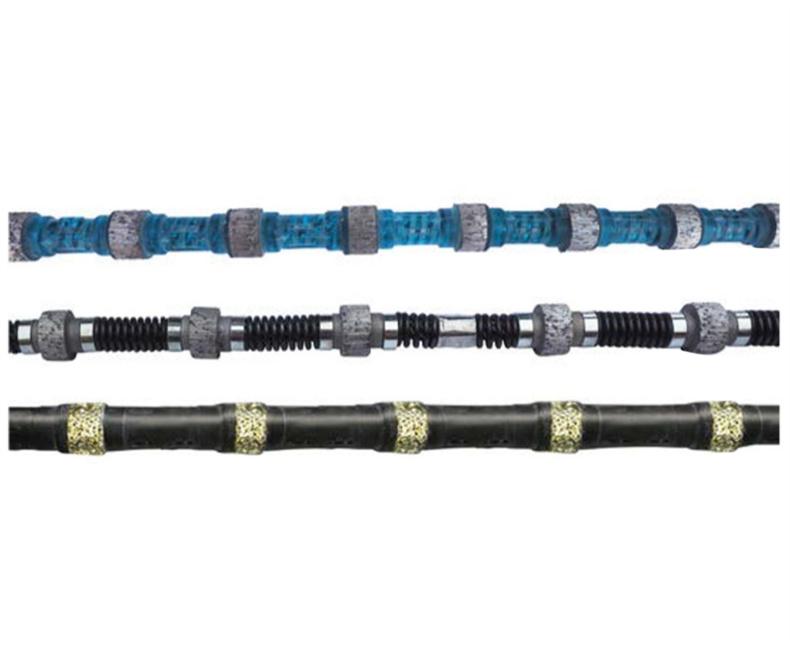
Classification and selection of binders
Binder is the most important factor affecting the thermal stability of PCD tools, which directly affects its hardness, wear resistance and thermal stability. The common bonding methods of PCD are: iron, cobalt, nickel and other transition metals. Using CO and W mixed powder as binder, the best comprehensive performance of sintered PCD was obtained when the synthesis pressure was 5.5gpa, sintering temperature was 1450 ℃ and holding time was 4min. SiC, tic, WC, TiB2 and other ceramic materials. The thermal stability of SiC is better than that of CO, but the hardness and fracture toughness are relatively low. The hardness and toughness of PCD can be improved by appropriately reducing the size of raw material. Nano sized polycrystalline diamond (NPD) was prepared by sintering graphite or other carbon source under ultra high temperature and high pressure without adhesive. It is the most rigorous condition to prepare NPD by directly converting graphite into diamond, but the synthesized NPD has the highest hardness and the best mechanical properties.
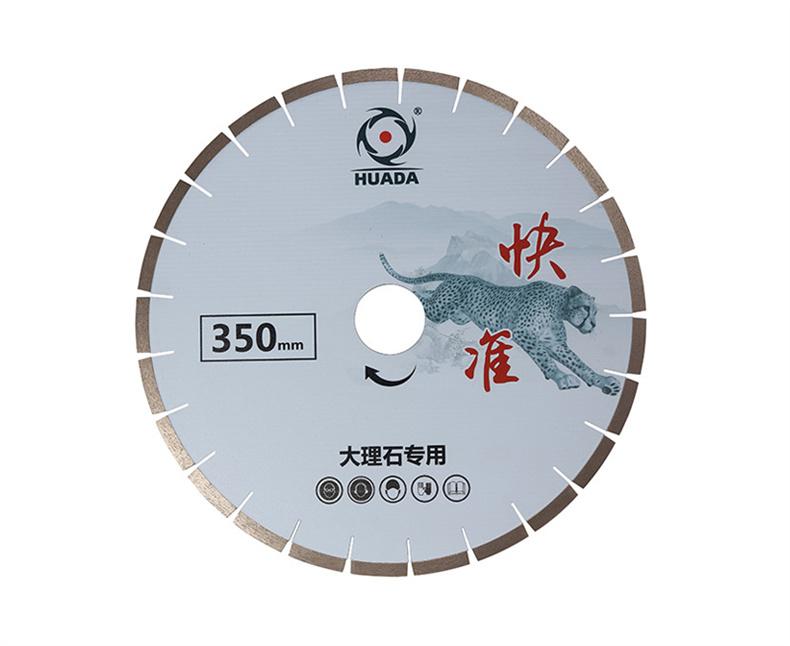
Selection and control of grain size
Raw diamond powder is the key factor affecting the performance of Polycrystalline diamond cutting tools. The growth of abnormal diamond particles can be inhibited by pretreatment of diamond powder, addition of a small amount of substances that hinder the growth of abnormal diamond particles and reasonable selection of sintering additives.
High purity NPD with uniform structure can effectively eliminate anisotropy and further improve mechanical properties. The precursor powder of nano graphite prepared by high energy ball milling was pre sintered at high temperature to adjust the oxygen content. The graphite was transformed into diamond at 18 GPA and 2100-2300 ℃. Lamellar and granular NPD were formed, and the hardness increased with the decrease of lamellar thickness.
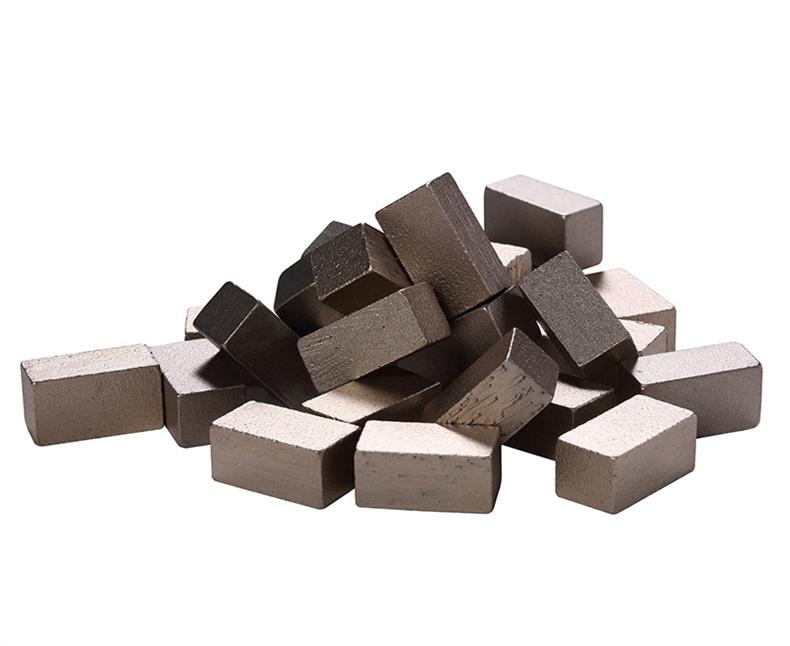
Post chemical treatment
Under the same temperature (200 ℃) and time (20h), the effect of cobalt removal by Lewis acid-fecl3 is better than that of wangshui, and the optimal ratio of HCl is 10-15g / 100ml. The thermal stability of PCD increases with the increase of cobalt removal depth. For coarse-grained PCD, CO can be completely removed by strong acid treatment, but it has a great influence on the polycrystalline properties; The stability of PCD can be improved by adding tic and WC to change the polycrystalline structure and combining with strong acid treatment. At present, the preparation process of PCD materials is improving day by day, the toughness of products is good, the anisotropy has also been greatly improved, the commercial production has been realized, and the related industries are developing rapidly.
The above is for you to introduce the Polycrystalline diamond cutting tools manufacturing process, I hope to help you.

Control the main operating risk
The recurring risk in “Manufacturing technology of polycrystalline diamond cutting tools” is comparing one headline specification without defining the material, process and acceptance boundary. Set a stop condition, assign who checks the machine and tool, and keep changes traceable. If the result moves outside the agreed window, investigate the material, alignment, tooling and utilities before adding load or speed.
Define the application before comparing equipment
For “Manufacturing technology of polycrystalline diamond cutting tools,” write down material, dimensions, access, target output, utilities, tooling, safety controls and service scope. This separates a real project requirement from a search phrase and gives every supplier the same boundary. The proposed stone cutting equipment can then be checked against the material, site and required result instead of being accepted by name alone.
Use evidence that can be retained
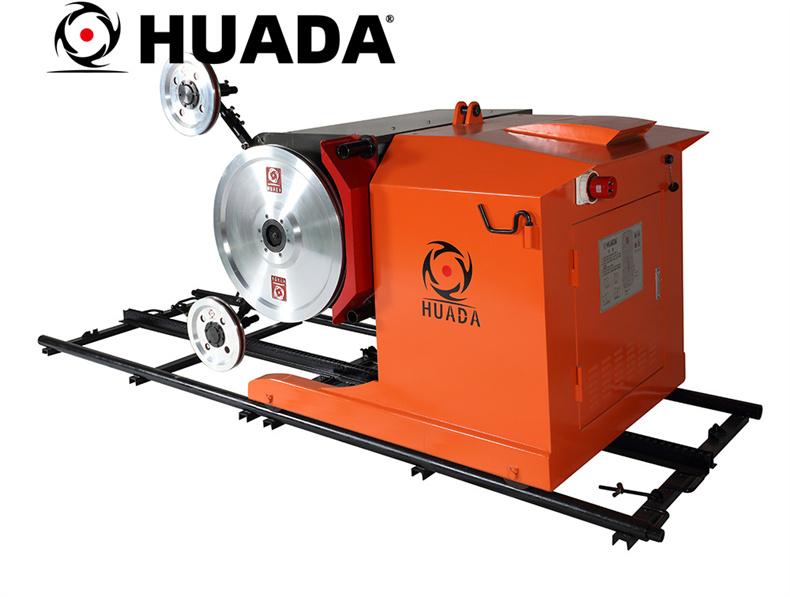
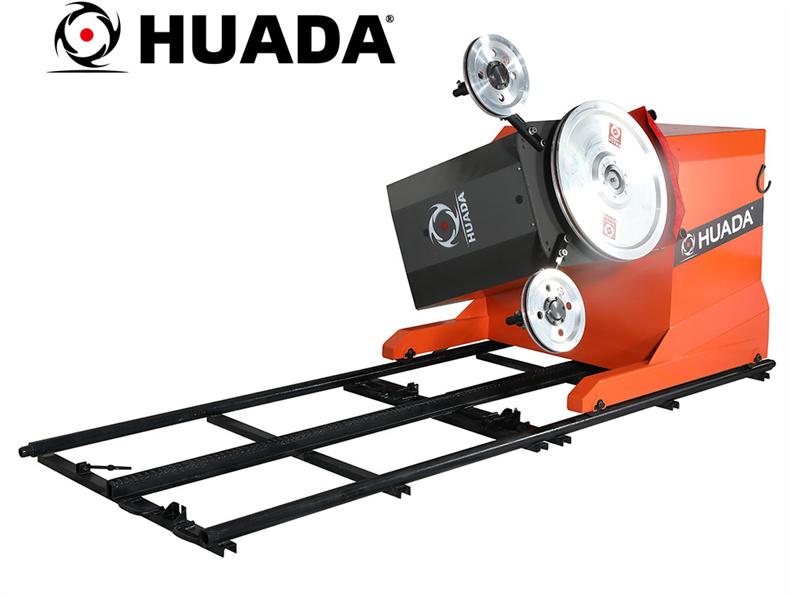
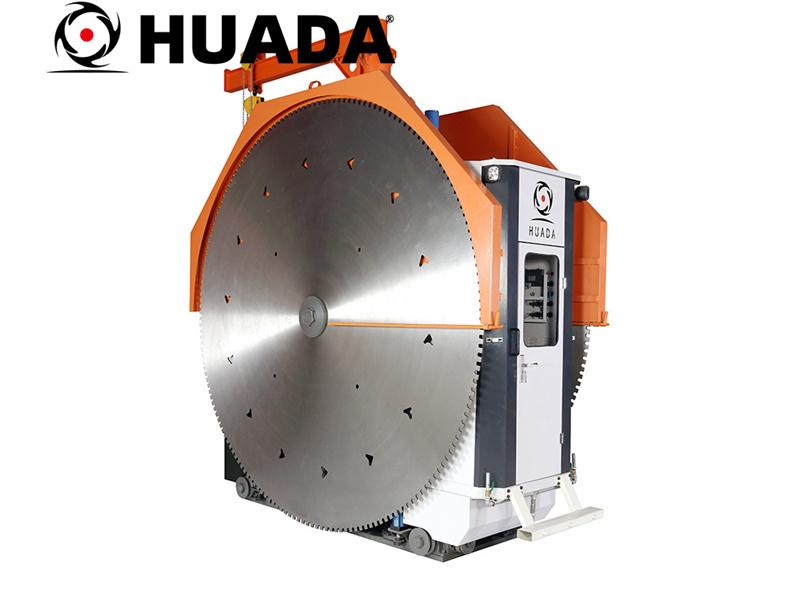
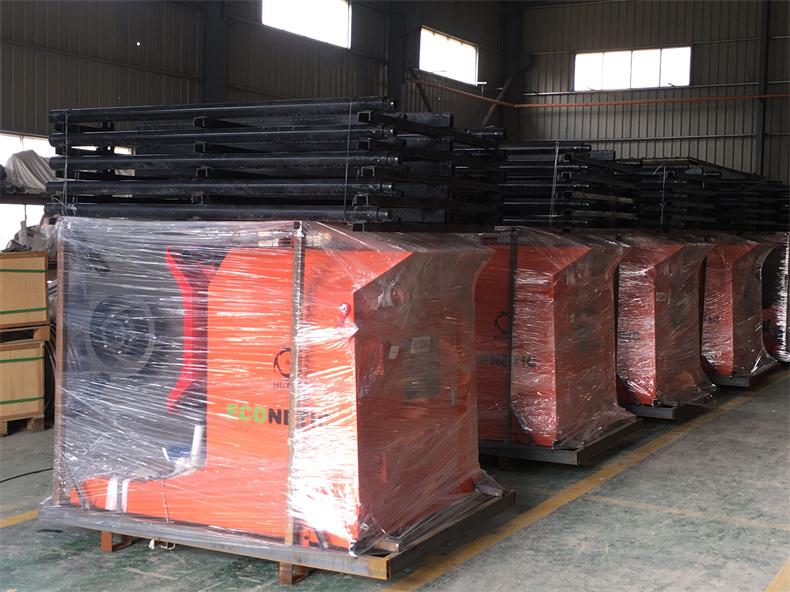
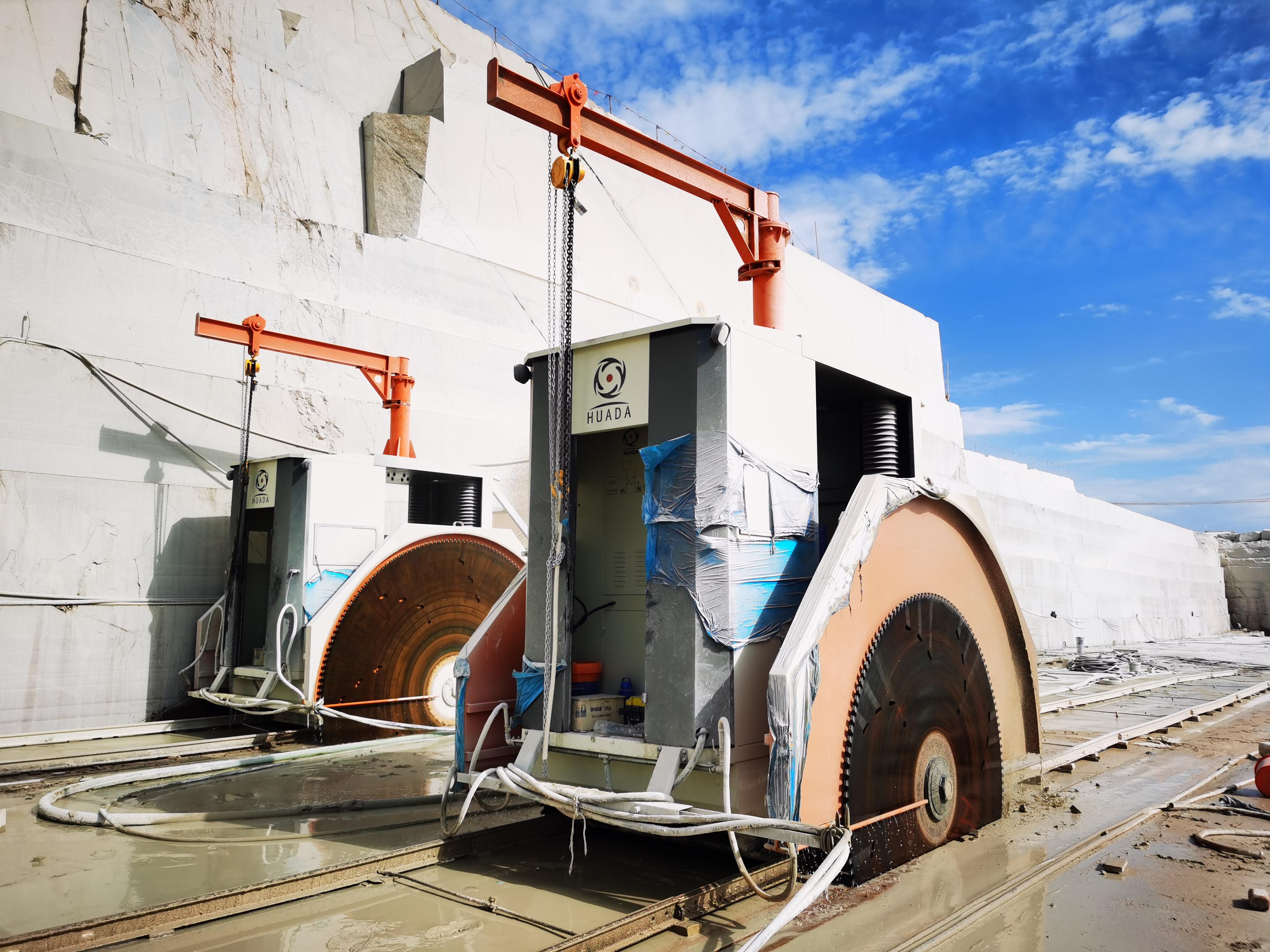
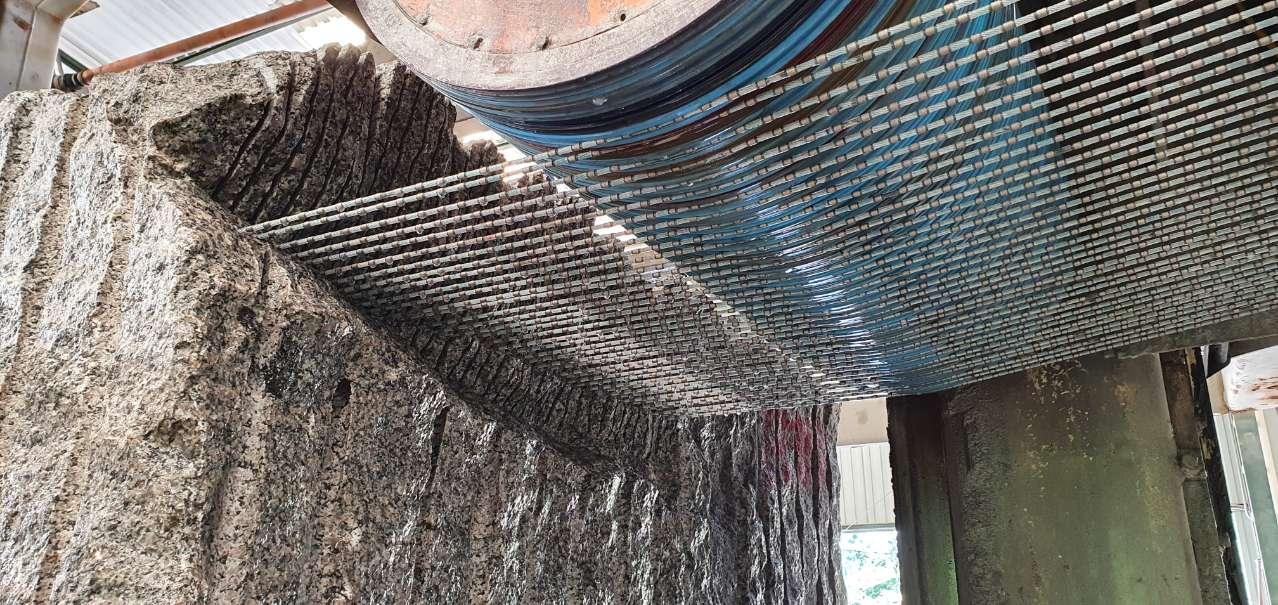
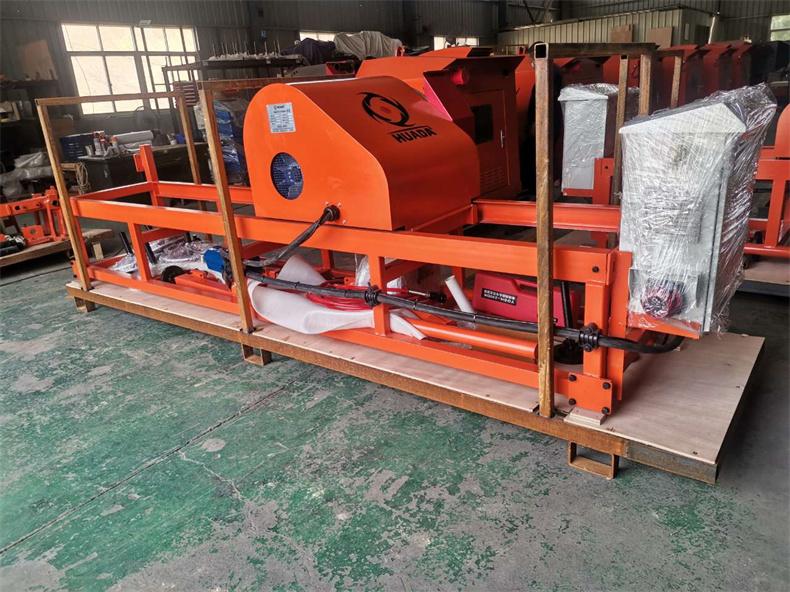
A practical review of “Manufacturing technology of polycrystalline diamond cutting tools” should retain a representative test, machine configuration, measured result and written acceptance checklist. Photographs and brochures help identify the offered configuration, but they do not replace a test condition, measured result or signed scope. Record settings for tool condition, alignment, feed, cooling, machine settings, work support and operator procedure so the accepted result can be repeated.
Decision and acceptance table
| Decision point | What to define | Evidence to keep |
|---|---|---|
| Application | material, dimensions, access, target output, utilities, tooling, safety controls and service scope | Written job or product brief |
| Operating window | tool condition, alignment, feed, cooling, machine settings, work support and operator procedure | Recorded trial settings and observations |
| Acceptance | a representative test, machine configuration, measured result and written acceptance checklist | Signed sample, cut record or inspection note |
| Risk control | comparing one headline specification without defining the material, process and acceptance boundary | Named corrective action and stop condition |
Buyer and operator checklist
- Material and cut or hole dimensions for Manufacturing technology of polycrystalline diamond cutting tools
- Offered stone cutting equipment configuration and included tooling
- Power, water, compressed air, access and lifting requirements
- Settings and checks covering tool condition, alignment, feed, cooling, machine settings, work support and operator procedure
- Factory or site acceptance method and responsible people
- Training, critical spares, manuals and service response boundary
Frequently asked questions
What should be confirmed first for Manufacturing technology of polycrystalline diamond cutting tools?
For Manufacturing technology of polycrystalline diamond cutting tools, start with material, dimensions, access, target output, utilities, tooling, safety controls and service scope. Those inputs determine whether the proposed stone cutting equipment and tool are relevant.
How should performance for Manufacturing technology of polycrystalline diamond cutting tools be verified?
For Manufacturing technology of polycrystalline diamond cutting tools, use a representative test, machine configuration, measured result and written acceptance checklist. Keep the material, operating conditions and acceptance criteria with the result.
Which settings matter during Manufacturing technology of polycrystalline diamond cutting tools?
For Manufacturing technology of polycrystalline diamond cutting tools, record tool condition, alignment, feed, cooling, machine settings, work support and operator procedure. A result without its settings is difficult to reproduce or compare.
When should work on Manufacturing technology of polycrystalline diamond cutting tools be paused?
For Manufacturing technology of polycrystalline diamond cutting tools, pause when the workpiece, support, guarding, utilities or cutting condition is unsafe, or when comparing one headline specification without defining the material, process and acceptance boundary is observed.