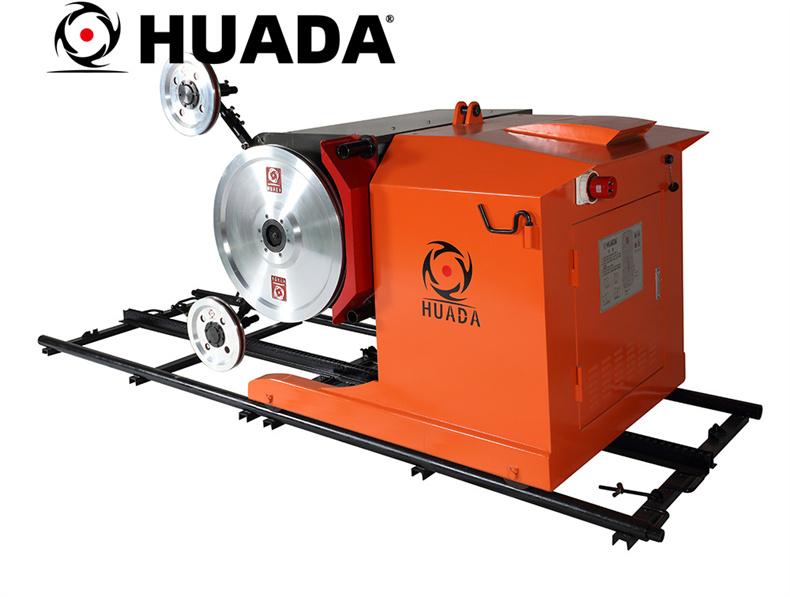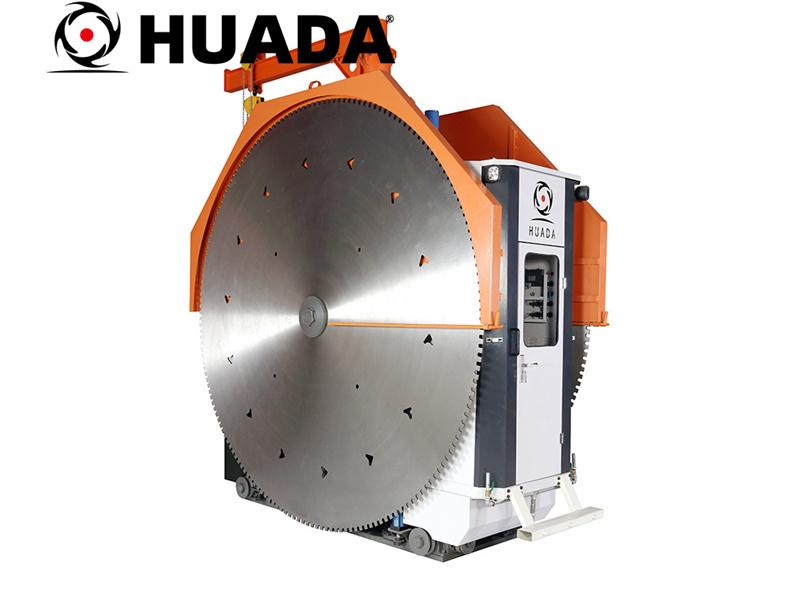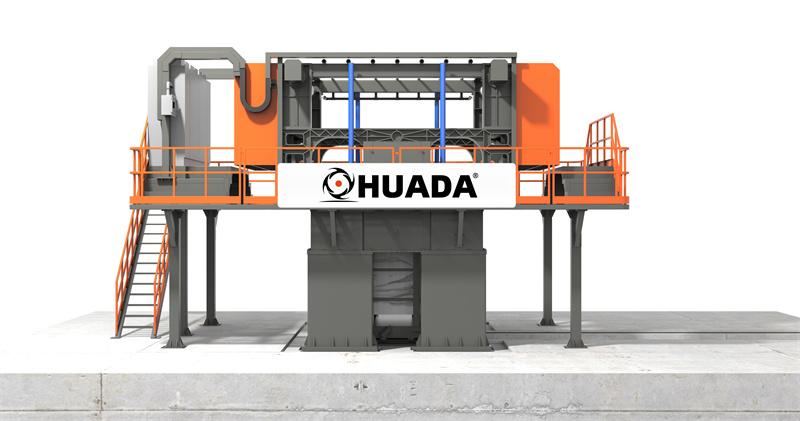

The archived soft-stone note presents sawing as the basic mining method and says mechanized systems have developed for more than 100 years. Its most useful distinction concerns deposit orientation, layer thickness and open fissures.
Steep, horizontal or gently dipping orebody
Reading: The source considers sawing suitable across these orientations when the mining layout can expose the required planes.
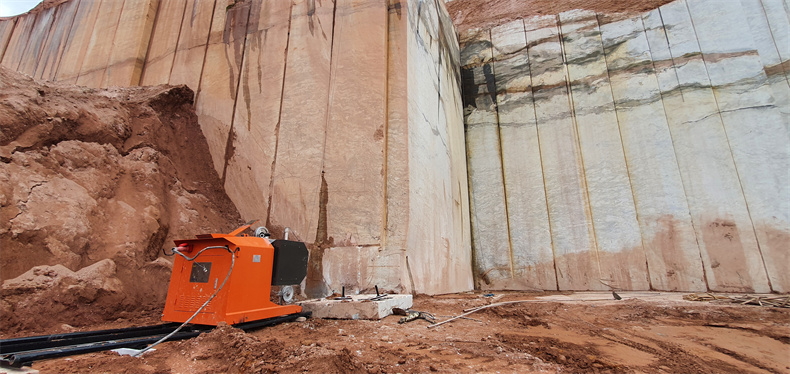
Rock layer at least 10 m thick
Reading: Layer thickness of ≥ 10 m is given as a normal condition for the established sawing method. A thinner deposit may still be considered if product value, block recovery and block size make the operation economic.
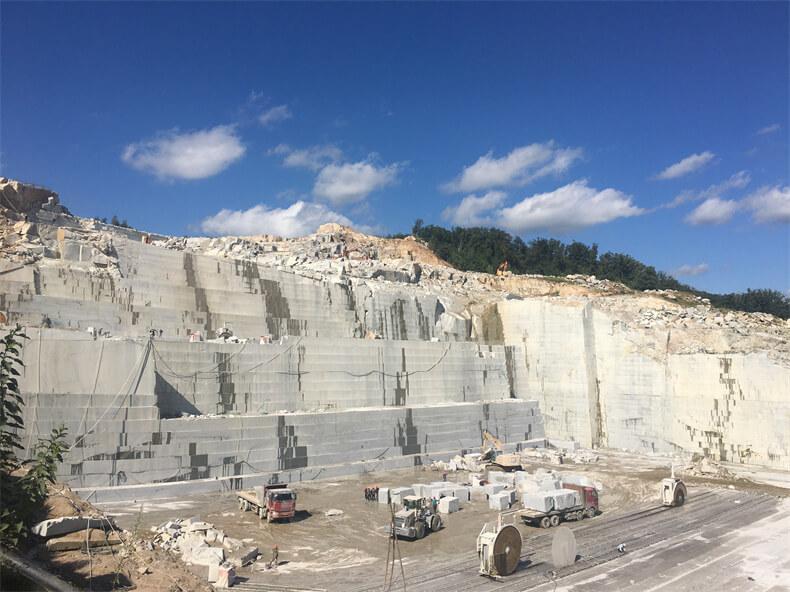
Fractured material
Reading: Fracturing does not automatically rule out sawing when the same economic and block-size conditions can still be met. The archive gives no fracture map or spacing limit.
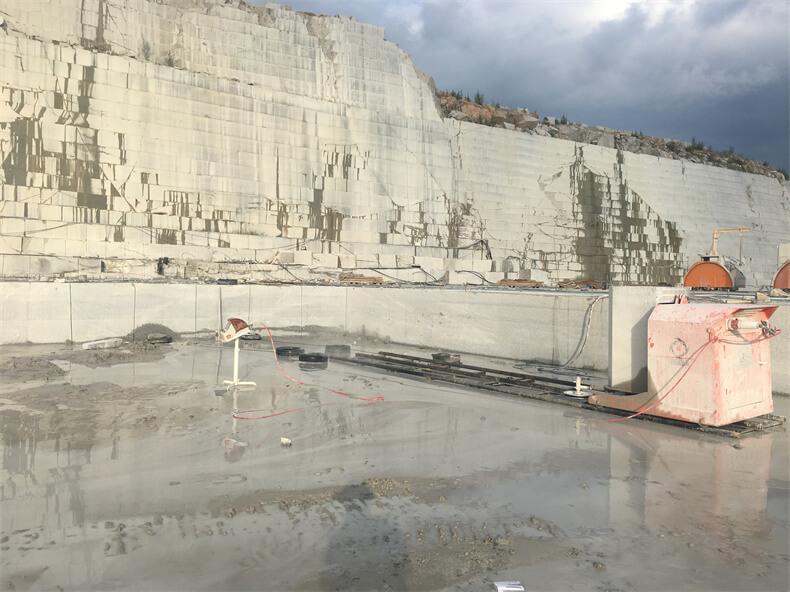
Karst cavities and open fissures
Reading: Wet sawing is identified as unsuitable where cavities or open fissures are developed. A chain-arm saw or diamond wire saw using dry-cutting tools is presented as an alternative for those conditions.
Method excluded by the source
The article states that splitting is not suitable for soft-stone mining. It does not name the stone variety or compare splitting trials, so the statement remains a general archived position rather than a project test.