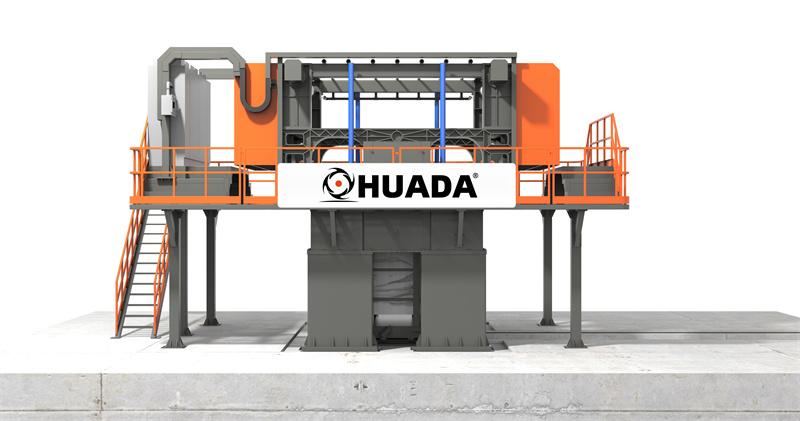

The archive compares cave mining with open-pit stone mining through four proposed advantages. It does not provide a mine design or discuss the geotechnical and ventilation constraints of going underground.
Surface environment
Cave mining is described as reducing or largely avoiding damage to vegetation and the natural environment above the orebody. That advantage depends on the underground opening, access and surface facilities actually required.
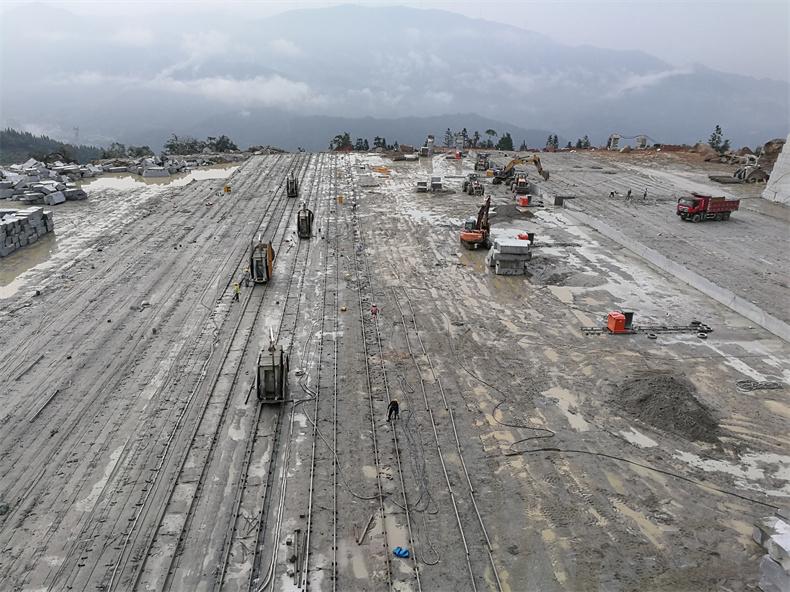
Earthwork and residue
The source argues for a lower comprehensive cost where large-scale overburden stripping and much of the residue transport and cleaning can be avoided. No cost example is attached.
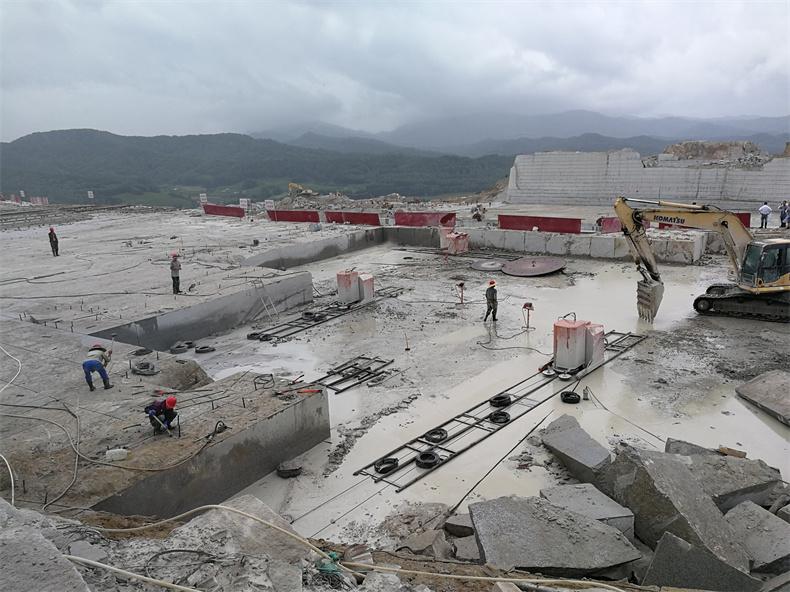
Weather exposure
Underground work is presented as less affected by alpine snow or summer rain, allowing a longer annual operating window than an exposed quarry. Access and utilities still connect the operation to surface conditions.
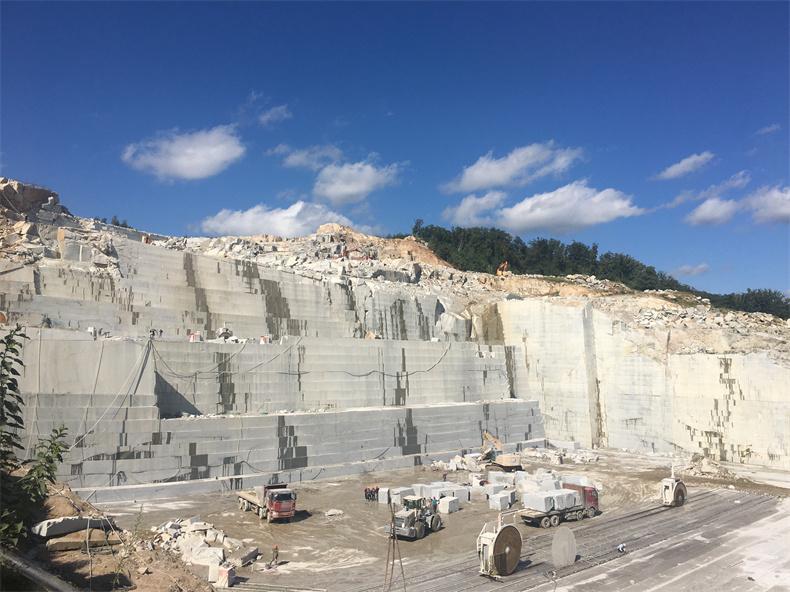
Selective stone recovery
The article says an operator can target the better-colored portion of the orebody while leaving unwanted material as a safety pillar, potentially improving block recovery and reducing resource waste.
What the comparison leaves open
The page lists advantages only. It contains no geology, opening dimensions, pillar design, ground-support method, drainage, ventilation or emergency route. Those missing items are decisive for whether cave mining is workable at a particular deposit, so the archived comparison should be treated as a starting point rather than a selection result.