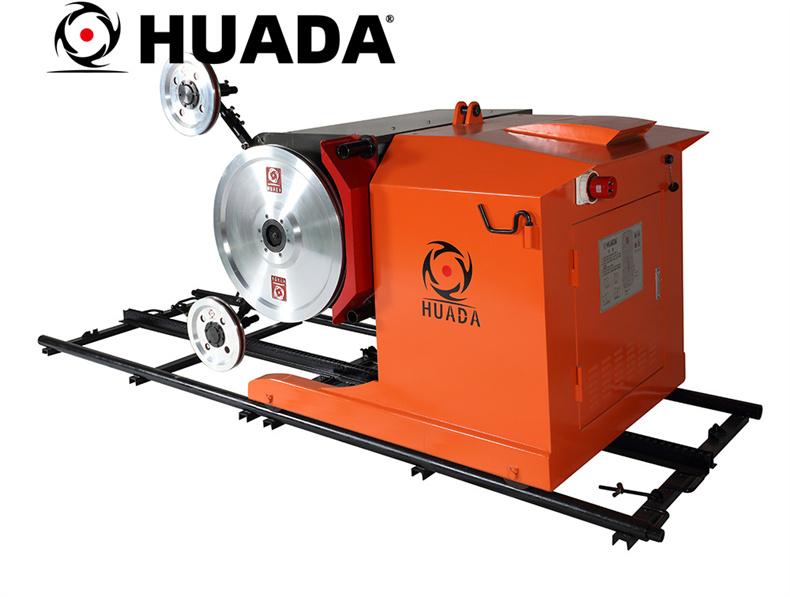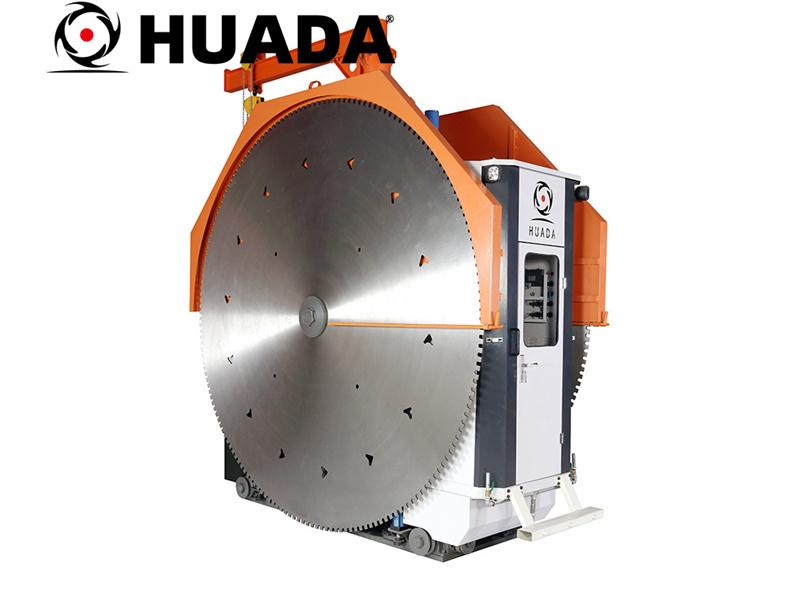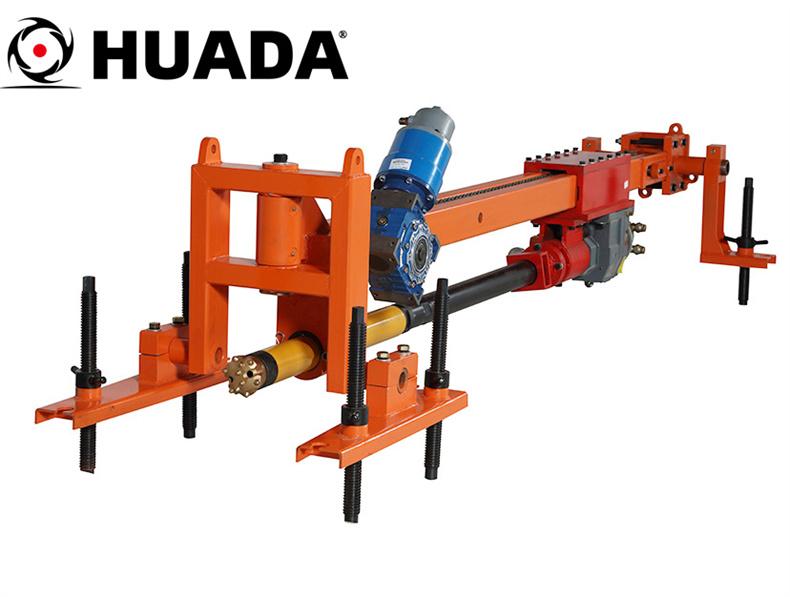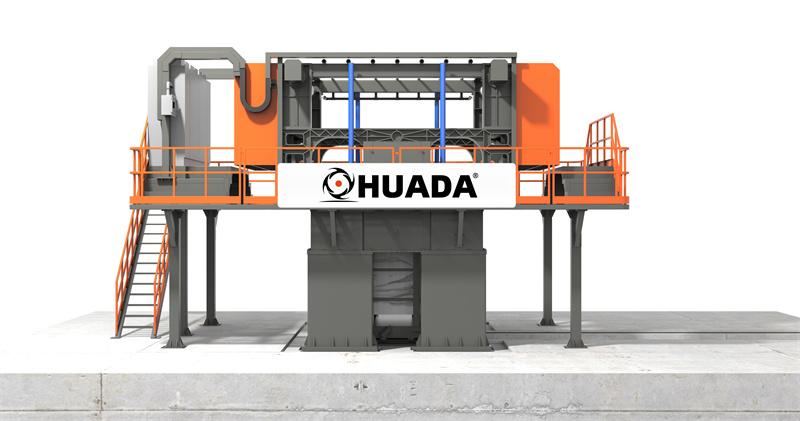

The archived facing-stone note reduces quarry work to three material stages: release a long block from the deposit, divide it into block sizes and trim the result. Granite, marble and slate are the facing-stone examples named in the source.
Separation
Release the long block from the orebody
The first task separates a strip or long block from the in-situ stone. The cutting planes and access method depend on the rock and quarry layout; the source does not prescribe one universal machine for this stage.
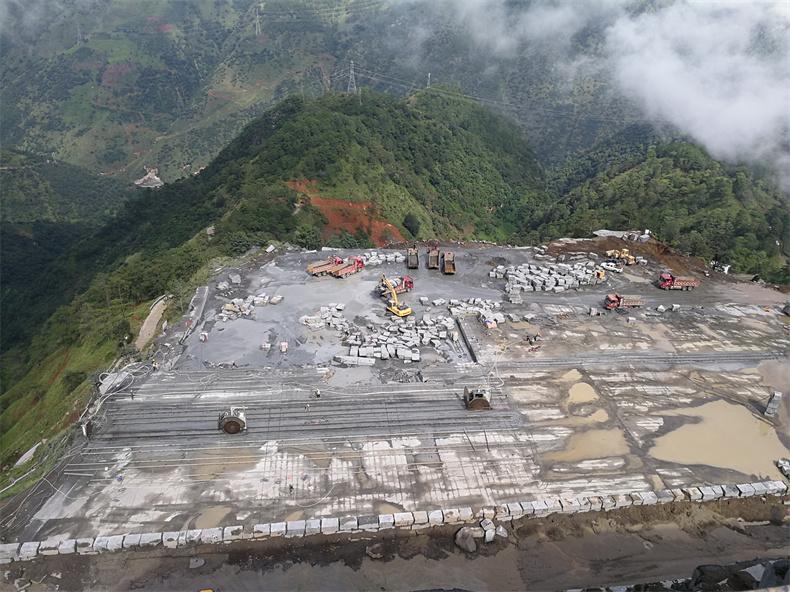
Mining process of facing stone and required equipment — source image from the archived article Division
Break the long block into marketable block sizes
The released stone is divided into rough blocks or finished quarry blocks. The article distinguishes this sizing operation from initial separation so the two should not be collapsed into one production figure.
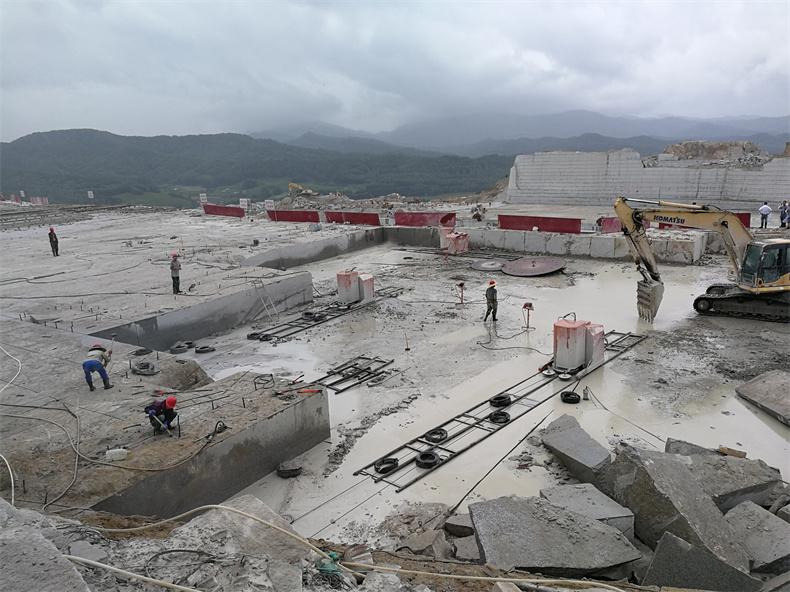
Mining process of facing stone and required equipment — source image from the archived article Shaping
Trim the raw block
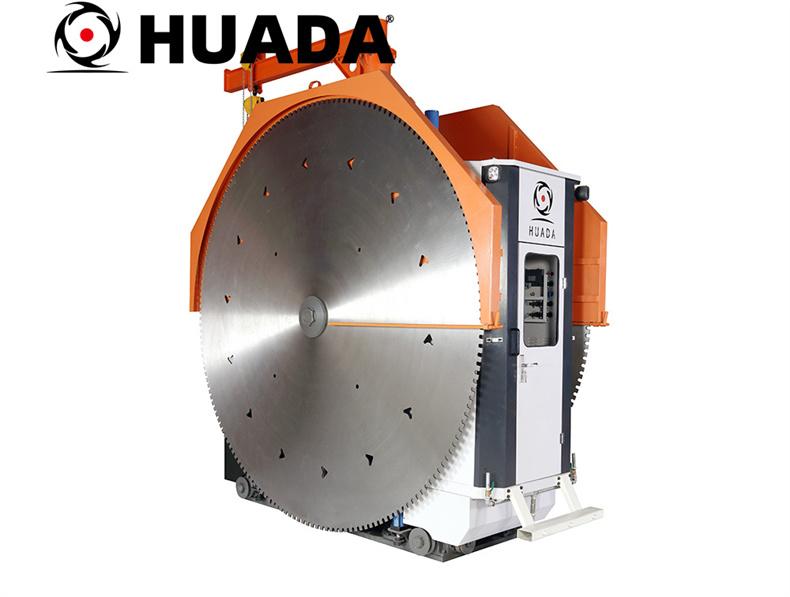
Final quarry shaping removes irregular material and prepares the block for handling and later processing. The archive does not give dimensional tolerances or an acceptance rule.
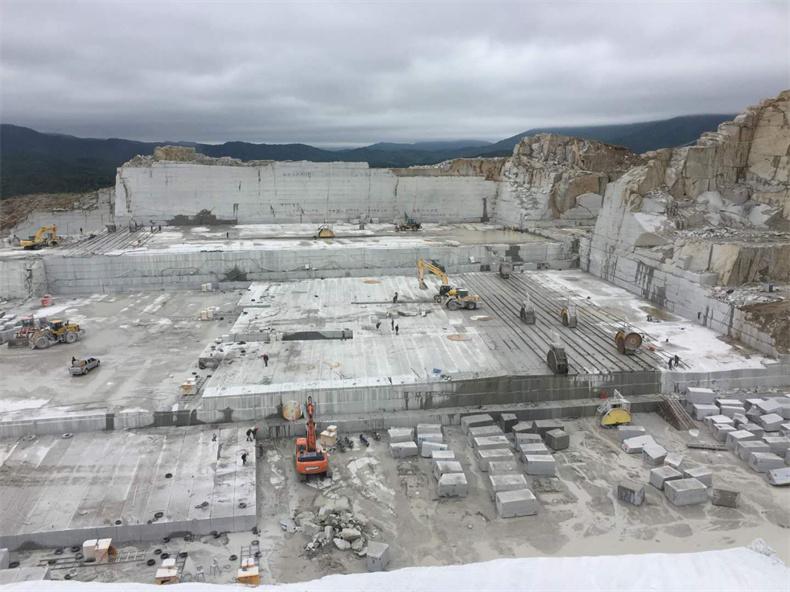
Mining process of facing stone and required equipment — source image from the archived article
Equipment named for facing-stone mining
The list includes mining circular saws, diamond wire-saw cutting machines, chain-arm saws, horizontal drilling rigs and down-the-hole drilling rigs. It presents mechanized sawing as the replacement for more manual and blasting-based work, with claims of higher efficiency and block yield and lower labor cost.
Those are general advantages in the source, not a comparison on a named deposit. Equipment selection still follows the planes to be cut, stone condition and required block sequence.