
Part II continues from geological uncertainty into the day-to-day risks of operating an overseas stone mine: production control, infrastructure, environmental protection and labor.
Operating capability
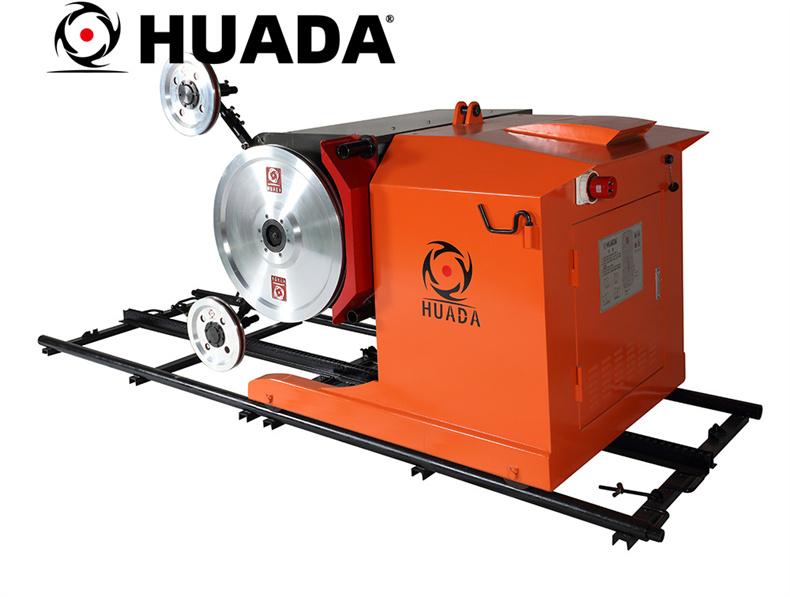
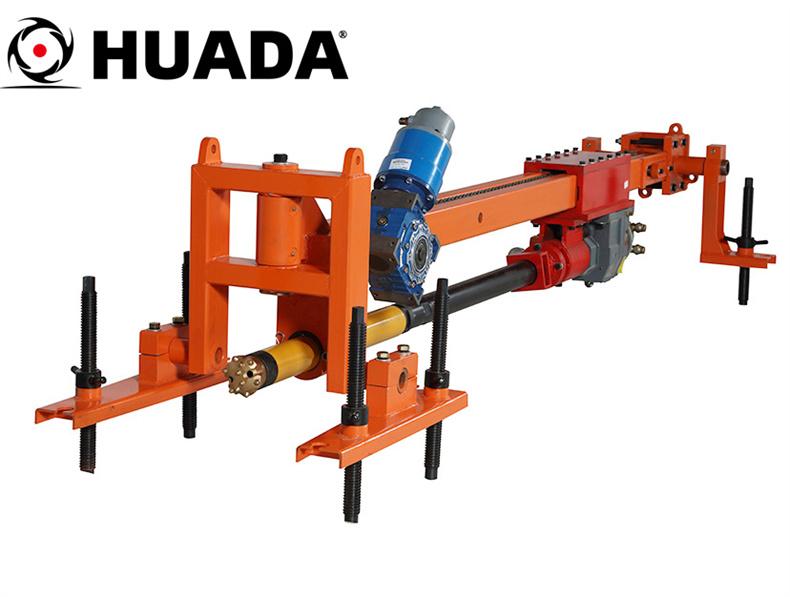
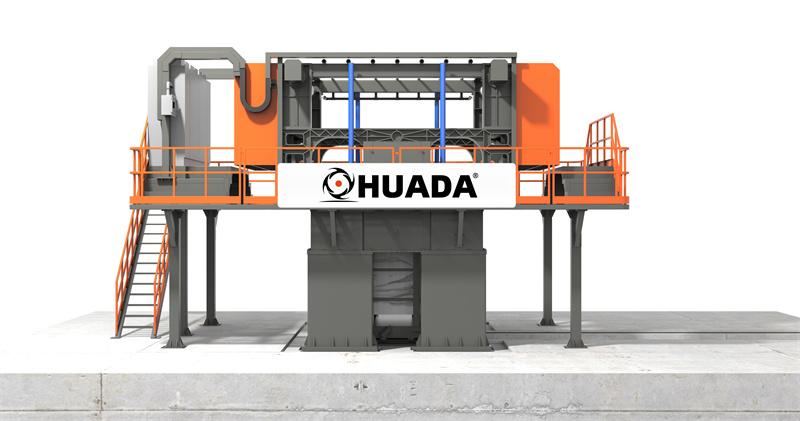
Output and block yield directly affect operating cost, while management determines whether the expected benefit can be realized. The article connects competitiveness to correct use of mining technology, equipment and tools—not to equipment ownership alone.
It also emphasizes the need to train and retain mine managers and technical personnel. The text presents Huada Stone Mining Research Institute as a source of operating, management and technical guidance, but supplies no program result on this page.
Infrastructure outside the mine gate
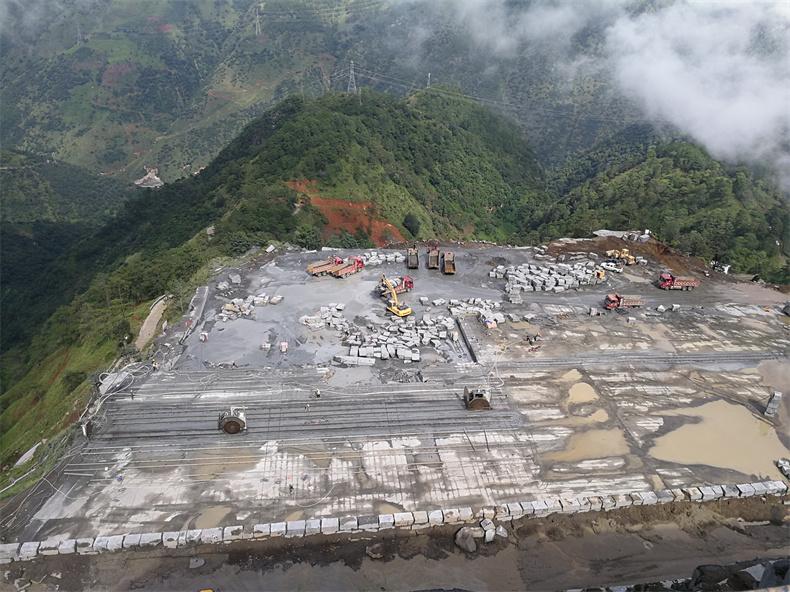
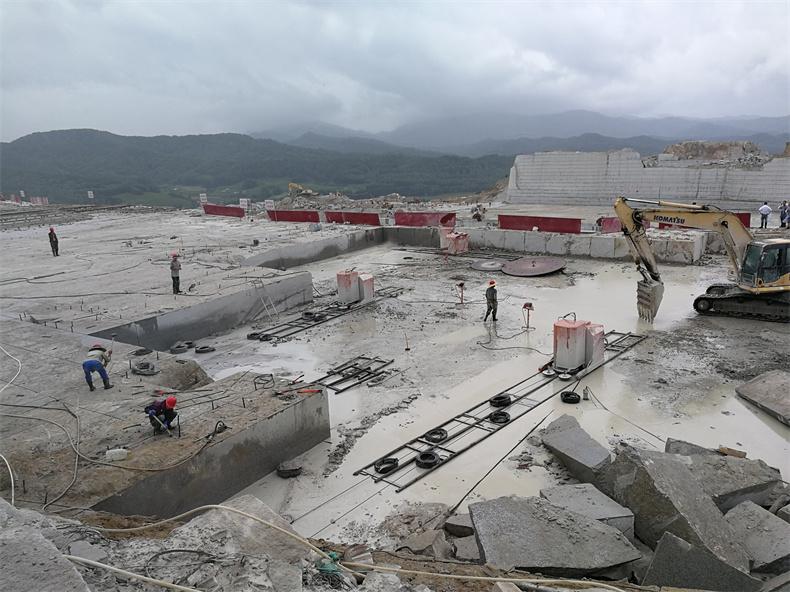
Remote projects may lack water, electricity, roads, rail or port access, making the investor responsible for facilities beyond the cutting operation. The archive says construction, production and living costs are at least 1.5 times the domestic level, 2 to 4 times in Africa and South America, and 5 to 6 times in some remote areas.
No project sample or costing method accompanies those ranges. They show the direction of risk and should not be used as a present budget factor.
Environmental protection
The feasibility study is expected to examine the existing environment and the project’s impact. The article warns that environmental obligations can rise as a host economy and regulatory system develop, even where the initial rules appear less demanding.
It cites a Laos marble project that reportedly followed Chinese environmental policies and standards and assisted the Lao government with stone-industry environmental standards. The project result is not documented here.
Labor and employment
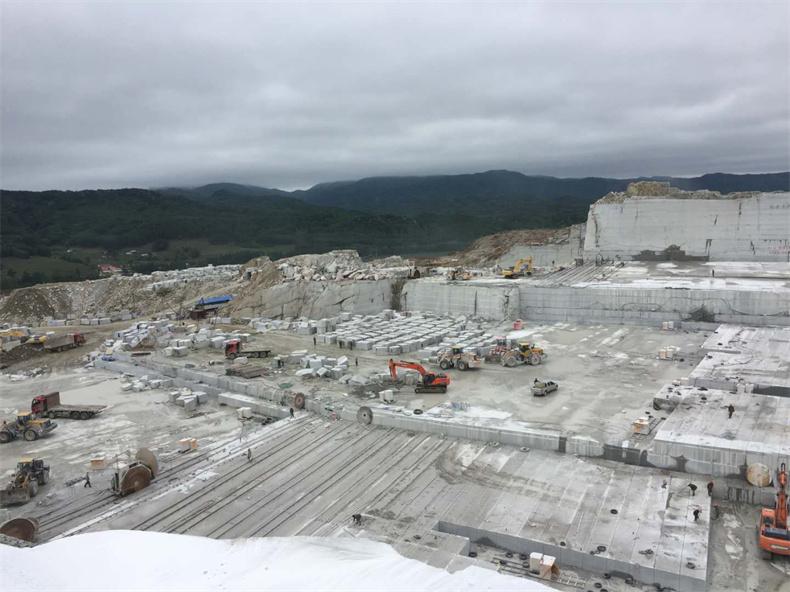
Local labor law and established union systems can differ materially from domestic practice. The source notes that some investors sent managers, construction staff and translators from China while hiring certain lower-skill posts locally; it also recognizes that local labor can be an advantage in less-developed areas.
The point is not one staffing formula. It is the need to account for lawful employment, language, skills and local labor relationships before production begins.
A historical conclusion, not a current investment recommendation
The original conclusion was written amid COVID-19 travel and management restrictions. It expected Chinese stone companies to become more experienced in overseas work and called for a prudent attitude. Current health controls, costs, laws and country conditions must be re-established for every new project.