
This archived green-mine note places reclamation at the beginning of mine development, not only after the final block is removed. Its working principle is to treat disturbed land while mining continues and choose cultivation, construction or forestry according to local conditions.
Permanent slopes
Reclaim a mining face when work has finished there
Where conditions allow, a permanent slope on a face that will no longer be mined is reclaimed and planted. The timing matters: a finished area can enter restoration while production continues elsewhere.
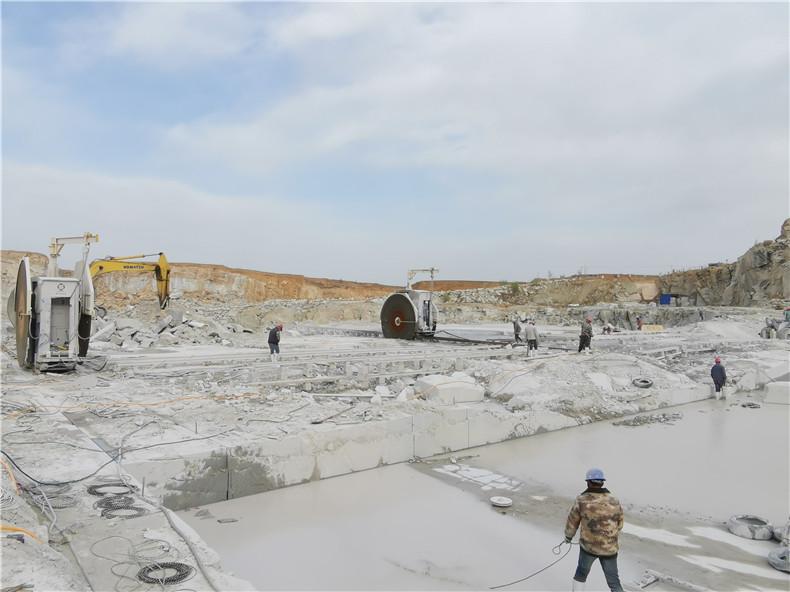
Natural stone mining - land reclamation, vegetation restoration and greening — source image from the archived article Waste dump
Keep suitable cover material for final shaping
The source identifies filling as the key step after a stone-mine waste dump reaches the end of its use. Where soil covers the orebody, that material is retained during stripping so it remains available for backfilling and reclamation.
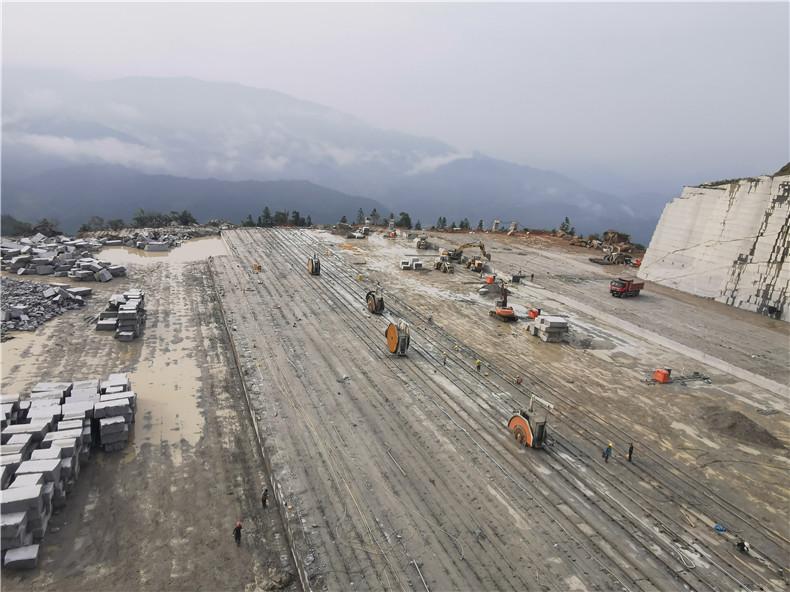
Natural stone mining - land reclamation, vegetation restoration and greening — source image from the archived article Mine roads
Plant the routes that organize the site
Trees, flowers and grasses are proposed along the main roads and selected auxiliary roads. Roadside greening is part of the site layout rather than an isolated decorative strip.
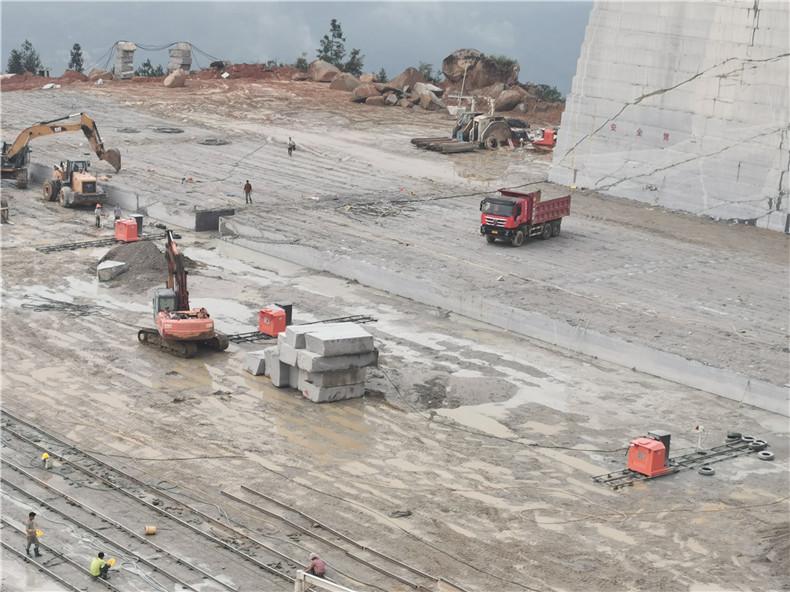
Natural stone mining - land reclamation, vegetation restoration and greening — source image from the archived article
What changes from site to site
The archive concentrates on slopes, muck yards and road edges, but it gives no soil depth, plant species, drainage design or acceptance method. Those choices depend on the mine’s landform, stored material and regional ecology. The useful constant is the sequence: reserve material early, restore completed areas progressively and keep the final land use in view throughout mine infrastructure construction.