
The archived green-mine guidance treats quarry residue as several separate material streams. The practical task is to sort each stream early enough that it can still be reused.
Offcuts and small stone
Stone that misses the required block specification is not automatically waste. Depending on its shape and size, the source lists strip stone, stone brick, masonry and pebble products for landscape, municipal and garden work.
Classification is essential because a usable offcut loses value when it is mixed with unsorted muck or contaminated slurry.
Crushed stone and slag
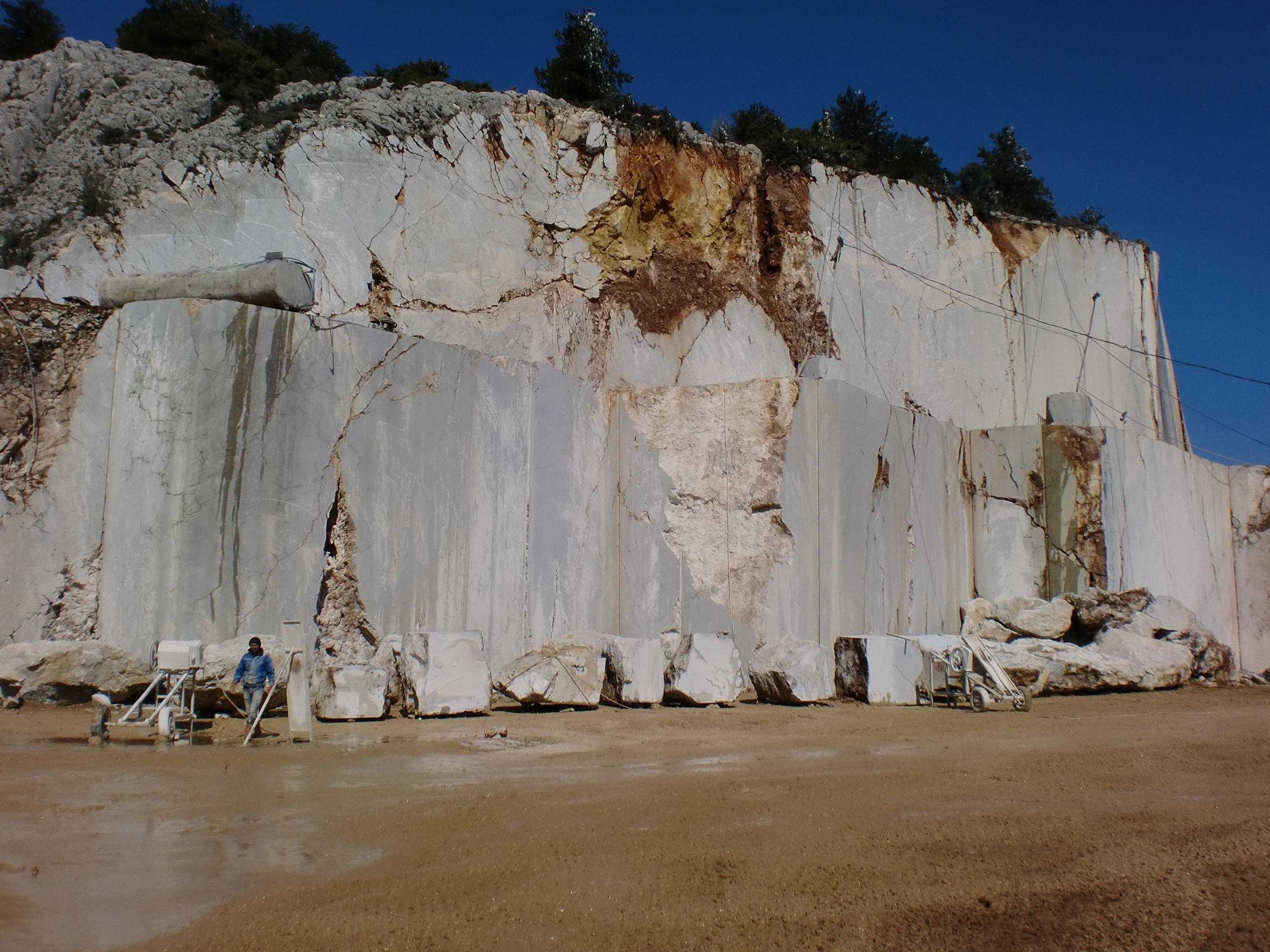
Crushed material can be processed into manufactured sand or building aggregate for landscape, municipal and construction applications. Crushed marble and limestone are also identified as possible feed for heavy calcium powder.
These are proposed routes from the archive, not an assurance that every residue meets a buyer’s grading or chemical requirement.
Stone powder and wet mud
Wet mining creates stone powder and mud. The stated sequence is dewatering and drying before considering backfill, road construction or building-material use. That sequence distinguishes a recoverable mineral stream from uncontrolled slurry disposal.
Topsoil and stripped muck
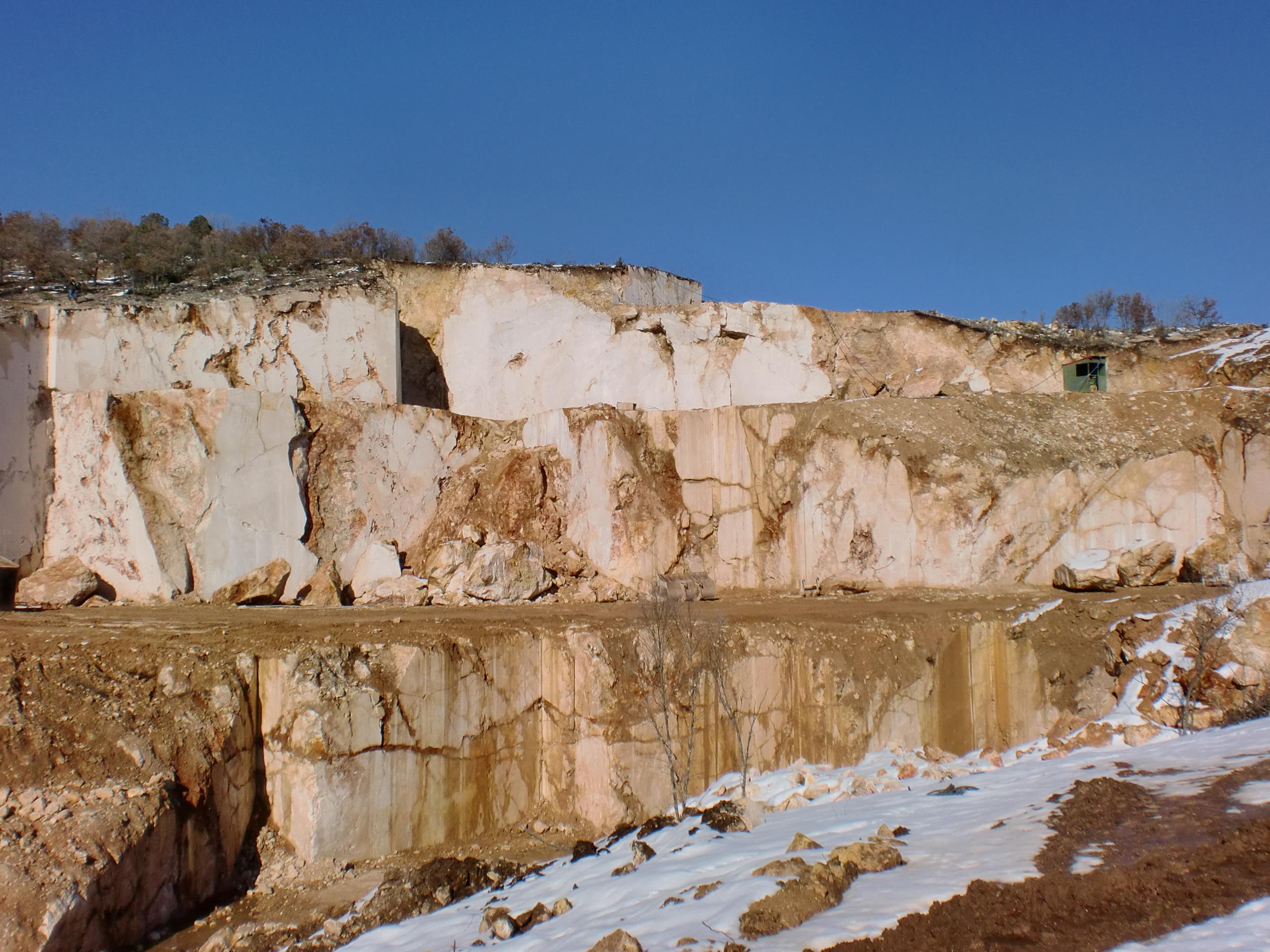
Topsoil or residue stored in the waste dump is reserved for environmental treatment, land reclamation and ecological restoration. Keeping it separate protects the material needed to cover and reshape disturbed ground later.
Read the archived recovery-rate statement carefully
The article states that the comprehensive waste-material rate for mines with general stone varieties should not be below 18%, while rare varieties may be assessed according to their own conditions. The wording and translation are historical and no issuing standard is named here. It should not be converted into a current project target without checking the governing document and how the rate is defined.