
This archived overview defines a green mine as a way of developing mineral resources while keeping ecological disturbance controlled. Its subject is the whole mine system—not simply planting around a quarry after extraction.
Early emphasis
Protect vegetation and improve the mine environment
The article traces the first idea of a “green mine” to Britain, the United States and other Western countries in the nineteenth century. At that stage, the emphasis was narrow: protect vegetation in the mining area and improve the appearance of its surroundings.
That environmental work remains visible and necessary, but the source treats it as only the beginning. Greening cannot compensate for a disorderly extraction method, excessive resource loss or unmanaged pollution.
Broader resource view
Move from appearance to comprehensive utilization
After World War II, the concept expanded as economic growth increased the consumption of energy and mineral resources. Resource efficiency became part of the discussion. A green mine was no longer judged only by vegetation: it also had to consider how much useful material could be recovered from a finite deposit.
This stage connects extraction planning with the use of stone, offcuts and other material streams. It shifts attention from a cleaned-up site to the efficiency of the resource-development process itself.
Integrated system
Coordinate resources, environment and people
The third stage described in the archive combines resource use and environmental protection with people-oriented management and technological innovation. Scientific and orderly mining, cleaner production technology, standardized management and a workable relationship with the surrounding community are treated as parts of the same system.
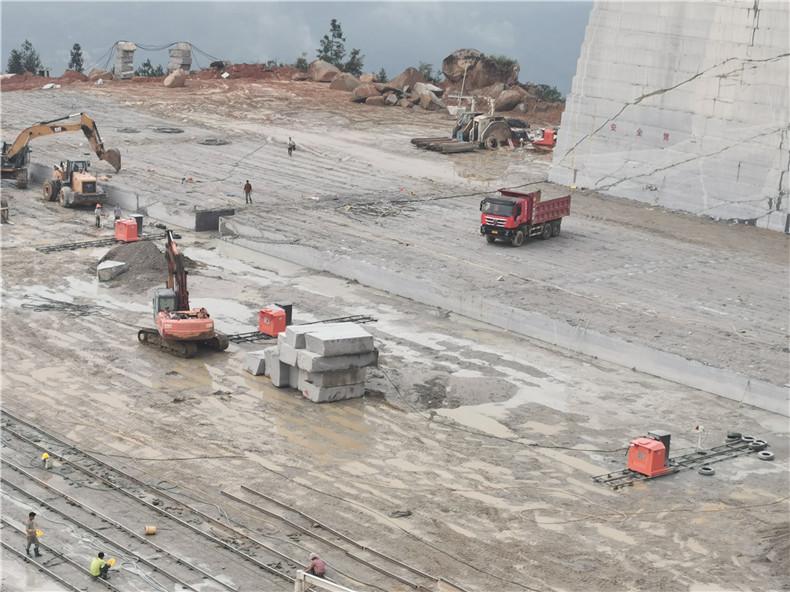
Where disturbance cannot be avoided, the source calls for design and control measures that continue through the life of the mine. Pollution, geological hazards and ecological damage are to be recovered, controlled or transformed as far as practicable.
What the definition does and does not establish
The article is a conceptual history, not a current compliance checklist. Its useful point is the connection between extraction, resource efficiency, ecological control, management and the community. Applicable permits, monitoring methods and restoration duties still depend on the mine location and the requirements currently in force there.